
An Ancient Solution for Modern Gardeners
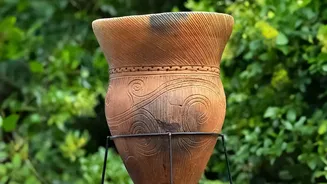
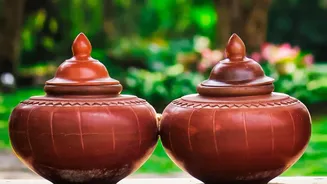
First, what exactly is an olla? Pronounced 'OH-yah,' it's an unglazed, porous terracotta pot that has been used for irrigation for thousands of years in various cultures around the world. The concept is brilliantly simple: the olla is buried in the soil
with only its neck exposed, filled with water, and covered. Because the clay is unglazed, water slowly seeps through its microscopic pores directly into the surrounding soil, delivering moisture right where plants need it most—the roots. This ancient method is seeing a resurgence among modern gardeners, especially those dealing with the unique challenges of container gardening.
The Science of Smarter Hydration
The magic of the olla lies in a process called soil moisture tension. The pot doesn't just leak water; it releases it in response to the soil's dryness. When the soil around the olla is moist, the water stays inside the pot. As the soil dries, it naturally 'pulls' water out through the porous clay walls. This self-regulating system means plants get a consistent supply of moisture, preventing the stressful wet-dry cycles common with manual watering. This subsurface delivery is incredibly efficient, reducing water loss from evaporation and runoff by up to 70% compared to surface watering. It also encourages plants to develop deeper, stronger root systems as they grow towards the reliable water source.
Ideal for Balcony and Rooftop Challenges
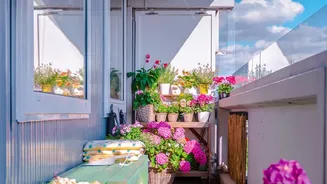
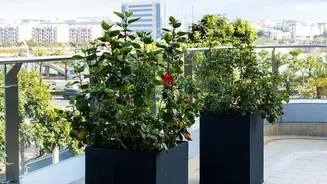
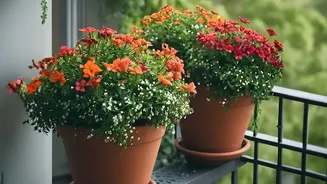
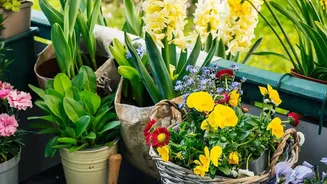
Balcony and rooftop gardens face harsh conditions that make them dry out quickly, including increased wind, reflected heat from surfaces, and the limited soil volume of containers. Ollas are a perfect fit for this environment. By delivering water underground, they bypass the evaporative effects of sun and wind that plague surface watering. This also helps prevent common issues like fungal diseases on leaves, which can be caused by overhead watering. For city dwellers, it means less time spent hauling a watering can, healthier plants that are more resilient to a missed watering day, and significant water conservation.
Choosing and Installing Your Olla
Ollas can be used in any container of about 20 litres or larger. As a general rule, you should select an olla that fits comfortably in the centre of your pot while leaving adequate room for your plants' roots. Bury the olla so that its neck is just above the soil line, which prevents dirt from falling in. For a DIY approach, you can create your own olla by sealing the drainage hole of one unglazed terracotta pot and gluing another pot of the same size to it, rim to rim, with a waterproof silicone sealant. Always use a lid—a saucer or even a flat stone works well—to reduce evaporation from the opening and prevent mosquitoes from breeding.
Best Plants and Practices
While most plants benefit from consistent moisture, some are particularly well-suited for olla irrigation. Thirsty vegetables with fibrous roots, such as tomatoes, peppers, squash, and cucumbers, thrive with this method. In fact, using an olla can help prevent common tomato problems like blossom end rot, which is caused by inconsistent watering. Many herbs like basil and mint also flourish. When planting, place the thirstiest plants closest to the olla. Refill the pot every few days to a week, depending on the weather and pot size, ensuring it never goes completely dry. Avoid adding liquid fertilisers to the olla itself, as they can clog the clay's pores.