




The Golden Age of the Rover
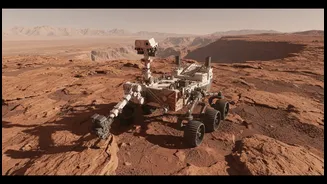
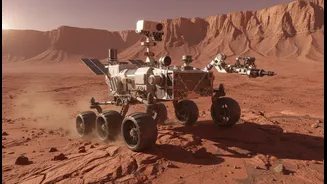
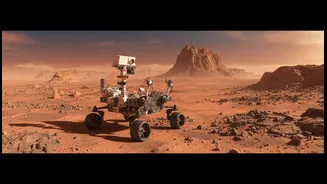
When we think of Mars, we picture the tireless robotic explorers that have become our proxies on its dusty surface. From the first tentative tracks of the Sojourner rover in 1997 to the ambitious science of Spirit, Opportunity, Curiosity, and Perseverance,
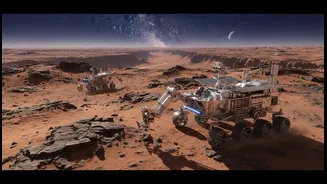
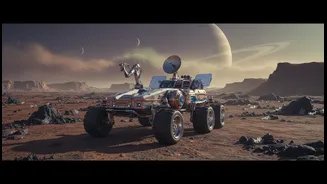
these six-wheeled geology labs have fundamentally transformed our understanding of the Red Planet. They have confirmed that Mars once had liquid water, identified ancient habitable environments, and collected a treasure trove of data that fuels our dreams of one day sending humans. These rovers are marvels of engineering, built to endure bitter cold and treacherous terrain while performing complex scientific analysis. However, their very design, which prioritizes stability and endurance, also creates limitations. They are slow, with a top speed measured in meters per hour, and must carefully navigate around steep crater walls, deep canyons, and other challenging landscapes. As scientific questions become more complex, NASA has realized that some of the most promising places to look for signs of past or even present life are in the very locations rovers cannot reach.
A New Strategy for Exploration
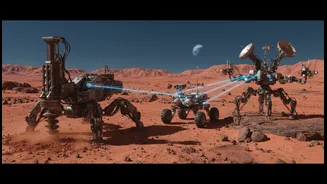
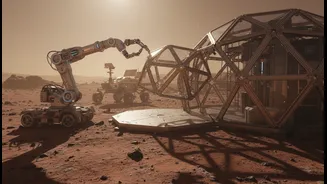
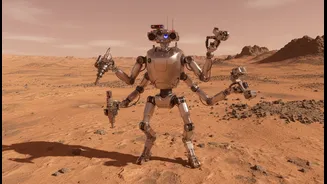
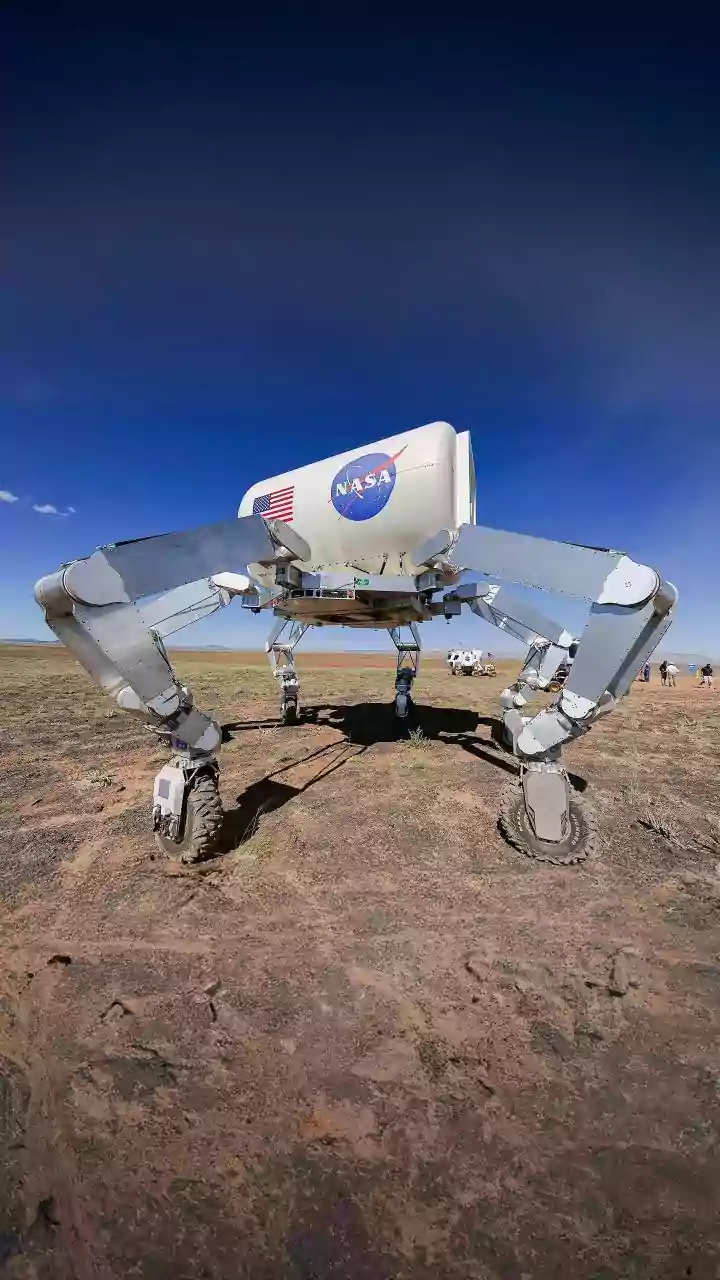
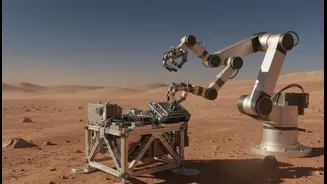
The next chapter of Mars exploration requires a new strategy. NASA's new paradigm is shifting from relying on a single, robust rover to deploying a diverse team of specialized robots. This approach is born from a simple reality: to find extraordinary evidence, you need to look in extraordinary places. This includes near-vertical crater walls, labyrinthine cave networks, and the subsurface, where ice deposits or even liquid water might be shielded from the harsh surface radiation. To access these scientifically rich but hard-to-reach areas, NASA is fostering innovation through initiatives like the Science Transport and Robotic Innovation for Deployment and Exploration (STRIDE) program. This initiative brings in commercial partners to develop novel mobility systems, acknowledging that the future of exploration lies in a versatile robotic ecosystem where different types of machines work in concert. It's a strategic pivot from slow, methodical surface crawling to a more dynamic, multi-pronged assault on Mars's remaining mysteries.
Taking to the Martian Skies
The first glimpse of this new future came with a lightweight helicopter named Ingenuity. Initially a technology demonstration expected to perform just five flights, Ingenuity stunned its creators by completing 72 flights over nearly three years, proving that powered, controlled flight is possible in Mars's incredibly thin atmosphere. Its success was a game-changer, opening up a new dimension for planetary exploration. Building on this legacy, NASA is developing more advanced aerial explorers. One proposed mission, SkyFall, would deploy a team of three enhanced helicopters to map subsurface ice and scout landing sites. These next-generation aircraft would carry scientific instruments, have a longer range, and, crucially, communicate directly with orbiters, eliminating the need to stay close to a rover. Aerial mobility allows for rapid reconnaissance over large areas, providing a bird's-eye view that can identify promising targets for ground-based assets and map terrain that is too hazardous for rovers to even attempt to cross.
The Shape of Robots to Come
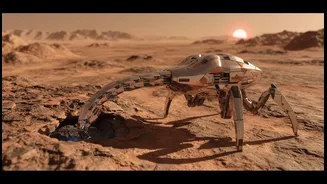
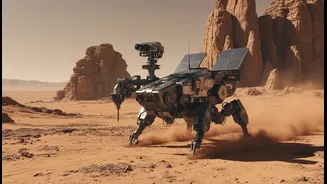
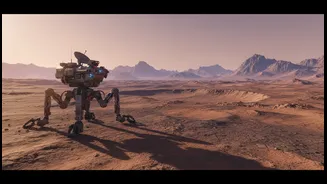
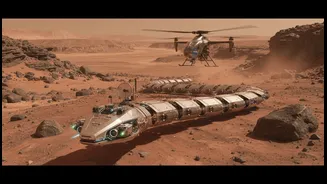
Perhaps the most futuristic of the new concepts is the Exobiology Extant Life Surveyor, or EELS. This autonomous, snake-like robot is being designed to go where no robot has gone before, slithering into enclosed and hard-to-reach environments. Made of multiple, identical segments, EELS can change its shape to adapt to its surroundings. Its unique rotating propulsion units can act as tracks on sand or ice, gripping mechanisms on steep walls, or even propellers for underwater exploration. While initially conceived to explore the icy plumes of Saturn's moon Enceladus, the technology is being tested in Earth-based analogues like glaciers, proving its potential for Mars. A robot like EELS could descend into deep canyons, navigate through lava tubes, or explore the boundaries of polar ice caps, searching for evidence of life in the planet's hidden recesses. At the same time, other prototypes like the four-wheeled ERNEST (Exploration Rover for Navigating Extreme Sloped Terrain) are testing advanced suspension and AI to create faster, more agile ground vehicles capable of climbing and squirming over obstacles that would stop current rovers in their tracks.