





As the monsoon retreats, Karnataka's forests burst into life, offering lush landscapes and prime wildlife sighting opportunities. But before you pack your bags, be aware that visiting these pristine environments comes with a set of crucial responsibilities.
The Statewide Ban on Single-Use Plastics
Karnataka has a stringent ban on most single-use plastic items, which is strictly enforced in its protected forest areas. This regulation was implemented to curb the plastic pollution that chokes waterways and fatally harms wildlife, which can mistake plastic waste for food. Items explicitly banned include plastic carry bags of any thickness, plastic plates, cups, spoons, forks, straws, and wrapping films. Checkpoints at the entrances of national parks and sanctuaries, like Bandipur and Nagarhole, are known to confiscate such items. Officials encourage visitors to deposit any plastic waste at designated collection points before entering the parks.
Understanding the 'Why' Behind the Ban
The push for plastic-free forests is a direct response to the environmental damage caused by tourism. Discarded plastic waste doesn't just spoil the natural beauty; it breaks down into microplastics that contaminate soil and water, entering the food chain. Wildlife is particularly vulnerable. In a tragic incident at Bengaluru's Bannerghatta National Park, deer were found to have died after ingesting plastic bags. Similar instances of animals like elephants consuming plastic waste have been reported, leading to painful deaths. The rules are therefore not just about cleanliness, but about the survival of the very ecosystems visitors come to admire.
New Rules for Trekkers and Hikers
Recent safety incidents have led the Karnataka Forest Department to introduce a new Standard Operating Procedure (SOP) for trekking across 39 designated trails. It is now mandatory to register online for any trek and be accompanied by a certified nature guide; unsupervised solo trekking is no longer permitted. There is also a daily cap of 150 trekkers per trail to prevent overcrowding. These trekking rules explicitly prohibit carrying single-use plastics. Trekkers are required to carry back all their waste for proper disposal at the base camp, ensuring they leave no trace behind.
Beyond Plastics: General Eco-Etiquette
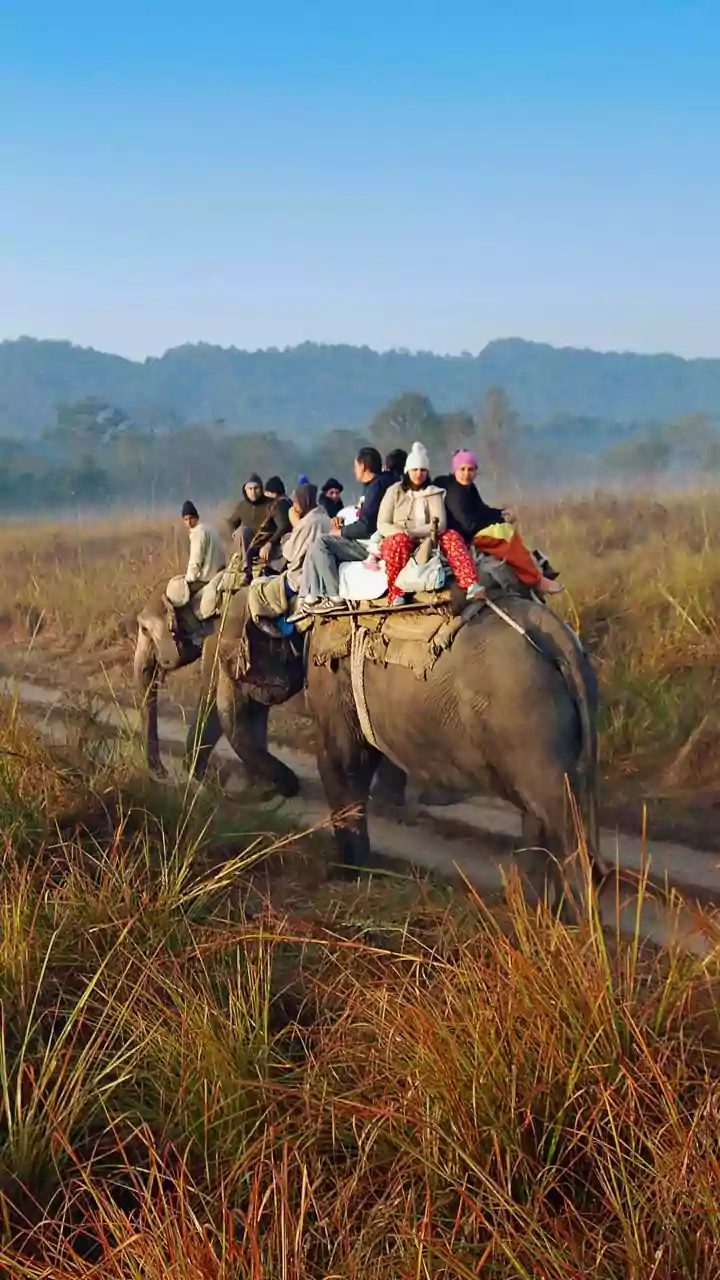
Responsible tourism in Karnataka's forests extends beyond avoiding plastics. Visitors are expected to follow a code of conduct to minimize their impact. This includes not feeding wild animals, as it can alter their natural behaviour and create dependency. Maintaining silence and avoiding loud music is crucial so as not to disturb the wildlife. When on safari or nature walks, always stay on the designated trails. Venturing off-path can damage fragile flora and is also a safety risk. In elephant camps like Dubare and Sakrebylu, new protocols have been established; visitors must now observe elephants from a distance of at least 30 feet and are no longer permitted to touch, bathe, or feed them.
How to Prepare for a Green Trip
A little preparation can make your trip smooth and compliant. Instead of plastic bags, opt for cloth or jute bags. Carry a reusable water bottle and a thermos for beverages; many forest lodges and eco-tourism facilities offer filtered water for refills. If you're packing food, use reusable containers instead of disposable plastic ones. Remember to pack muted-'coloured' clothing to better blend in with the natural surroundings and improve your chances of spotting wildlife. By adopting these simple alternatives, you contribute directly to the conservation efforts that keep these wild spaces beautiful and safe for generations to come.