


The Paradox of a Brown, Soggy Dinner
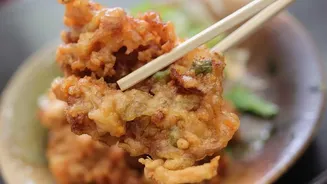
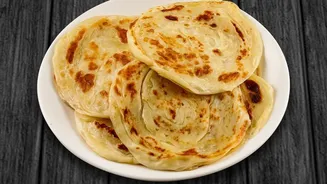
We’ve all been there. You pull a tray of potatoes from a hot oven, expecting a crispy, crackling crust, only to find them limp. Or the skin on your chicken thigh is golden, but it lacks that satisfying snap. This common kitchen conundrum happens when
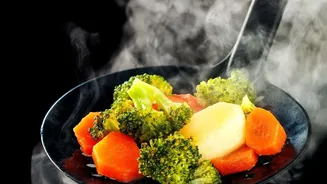
browning and crisping get out of sync. While they often happen together, they are two distinct processes driven by different conditions. Browning can occur even in a moist environment, but true, shattering crispiness cannot. The core issue isn't that you've done something wrong, but that lingering moisture on the food's surface is sabotaging your efforts, creating steam where you need dry, intense heat.
The Science of Sizzle and Crunch
To conquer the sogginess, it helps to understand the two key chemical reactions at play. The first is the Maillard reaction, which is responsible for the delicious, savoury browning on everything from seared steak to toast. It’s a reaction between amino acids and sugars that kicks in around 140°C (280°F), creating hundreds of new flavour and aroma compounds. The second is caramelization, which is the browning of sugar by itself, typically starting at higher temperatures. The enemy of both of these reactions—and the sworn nemesis of crispiness—is water. Water's boiling point is 100°C (212°F). As long as there is moisture on the surface of your food, the temperature is essentially capped at this boiling point. Your food will steam in its own liquid. Only after all that water has evaporated can the surface temperature climb high enough to trigger a proper Maillard reaction and begin forming a dry, rigid, and crispy crust.
How to Banish Moisture and Welcome Crispiness
Achieving that perfect crunch isn't about a secret ingredient; it's about technique. The goal is to remove surface moisture as quickly and efficiently as possible. The single most effective step is to pat your food completely dry with paper towels before cooking. This applies to everything from chicken pieces and fish fillets to chopped vegetables. A dry surface allows the heat from the pan or oven to immediately start browning the food itself, rather than wasting energy boiling off a layer of water. This simple action dramatically shortens the time it takes to get a crisp, golden-brown crust. Taking this one step seriously will fundamentally change the texture of your food for the better.
Give Your Food Some Personal Space
The next critical step is to avoid overcrowding the pan or baking sheet. When food is packed too tightly, it traps steam. As moisture evaporates from each piece, it gets stuck between its neighbours, creating a humid microclimate that effectively steams everything instead of roasting or frying it. To prevent this, make sure there is ample space around each item. This allows air to circulate freely, wicking away moisture and ensuring the dry, high heat can work its magic on all surfaces. If you don't have a big enough pan, it's always better to cook in batches than to crowd the one you have. A little patience will be rewarded with a much crispier result.
Turn Up the Heat and Use the Right Tools
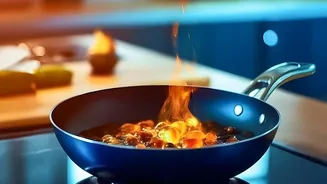
Finally, ensure your cooking environment is hot enough before the food goes in. Preheating your oven, skillet, or fryer is non-negotiable. A hot surface instantly begins to evaporate any residual moisture, creating that characteristic sizzle. For deep frying, the ideal temperature is often around 175-190°C (350-375°F). Anything lower, and the food will absorb oil and become greasy instead of crisp. After cooking, don't let your hard work go to waste by placing crispy items on a flat plate where steam can get trapped underneath. Instead, transfer them to a wire rack. This allows air to circulate all around, keeping the bottom from getting soggy as it cools and letting any excess moisture escape.