




Beyond the Metros: A New Creative Centre
For decades, Mumbai and Delhi have been the undisputed capitals of Indian fashion. But a significant shift is underway. Tier 2 cities—urban centres like Jaipur, Lucknow, Chandigarh, and Kochi—are emerging as dynamic new hubs for design and innovation.
With rising disposable incomes, increasing digital connectivity, and a growing desire for aspirational lifestyles, these cities have become fertile ground for new ideas. Unlike the metros, which can be oversaturated and expensive, Tier 2 cities offer designers lower operational costs, a direct connection to artisan communities, and a unique cultural identity to draw from. This environment has allowed a new generation of creators to flourish, bypassing the traditional industry gatekeepers and writing their own rules.
Handloom Reimagined: From Sari to Streetwear
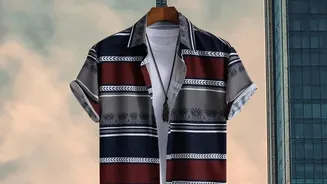
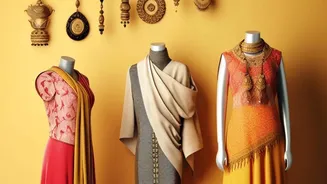
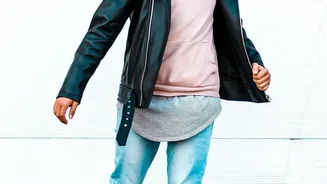
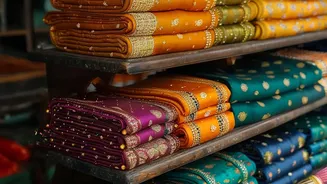
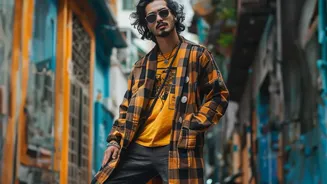
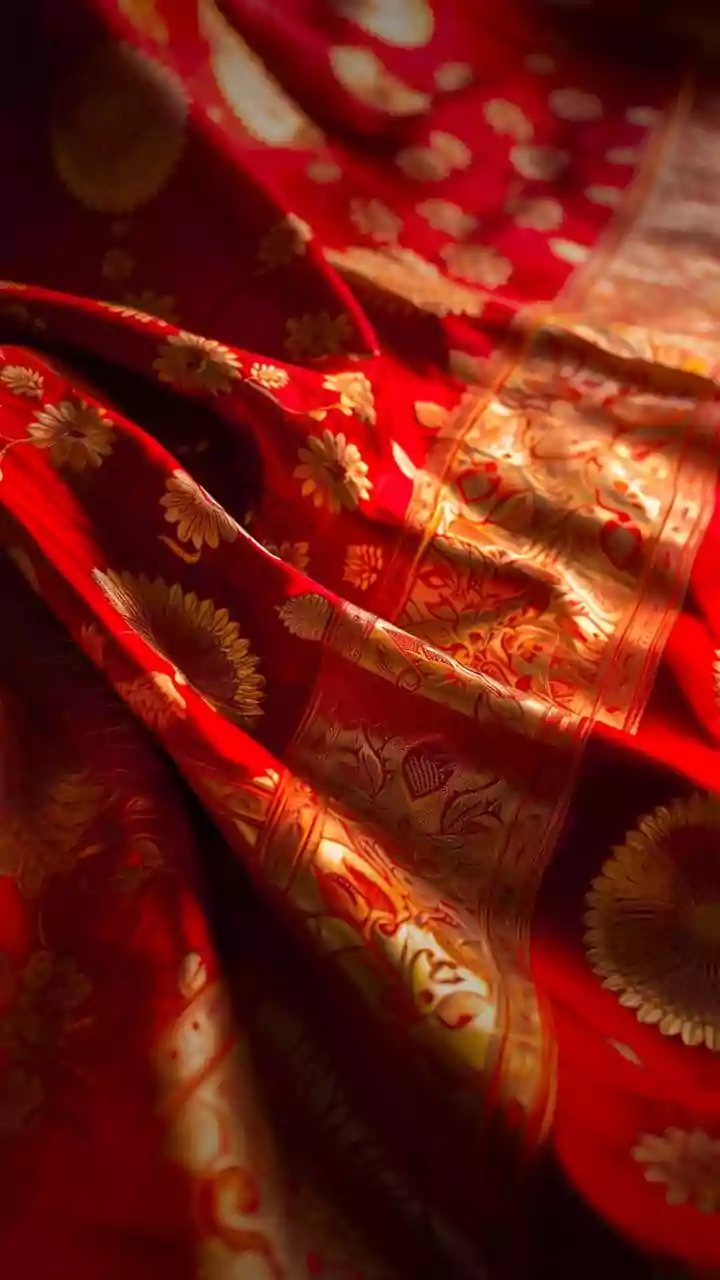
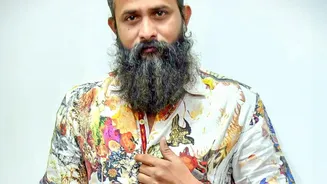
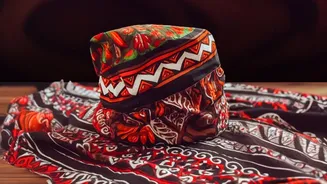
The word 'handloom' often evokes images of traditional saris and ethnic wear reserved for special occasions. But that perception is being radically changed. Today’s designers are taking fabrics like Khadi, Ikat, Jamdani, and Chanderi and moulding them into contemporary silhouettes that speak to a global, youthful audience. Think Khadi bomber jackets, Ikat-patterned joggers, and oversized shirts made from breathable handwoven cotton. This fusion isn't just about aesthetics; it's about making heritage relevant for everyday life. By applying these timeless textiles to modern streetwear, designers are challenging the dominance of fast fashion and reintroducing consumers to the value of craftsmanship.
The Perfect Match: Why Streetwear Works
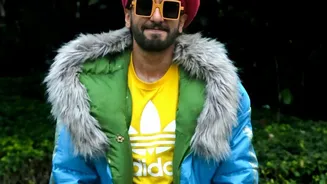
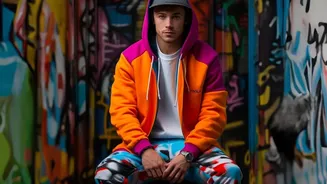
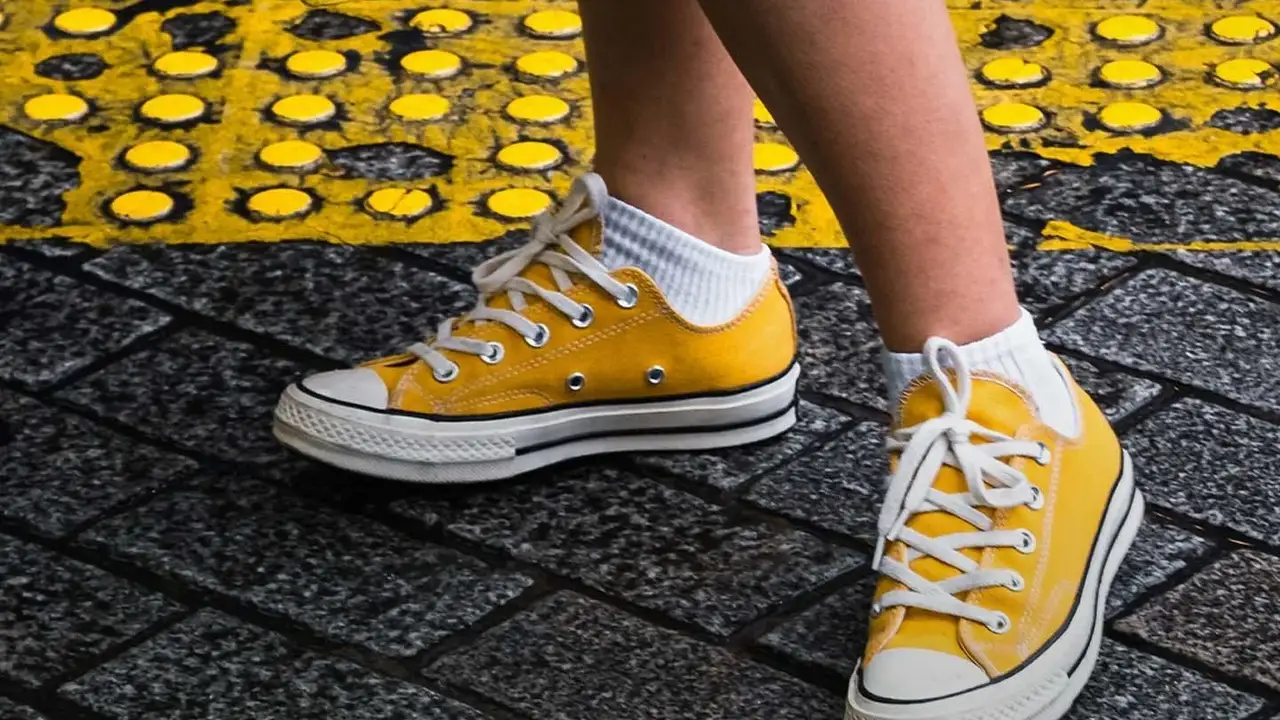
Streetwear has become the ideal vehicle for handloom's revival for several reasons. At its core, streetwear is about individuality, comfort, and cultural expression—values that align perfectly with the handloom ethos. Its relaxed, often oversized silhouettes provide the perfect canvas to showcase the unique textures and weaves of handcrafted fabrics. Furthermore, streetwear has a massive global audience, particularly among Gen Z, who are increasingly drawn to authentic stories and sustainable products. Brands like Johargram from Ranchi and NorBlack NorWhite are proving that Indian textiles can be both culturally rooted and globally cool. They are creating a new fashion language where a hoodie can carry the story of a weaving community and a pair of sneakers can celebrate a centuries-old craft.
A Sustainable and Ethical Choice
This trend is about more than just looking good; it's about making a positive impact. The handloom industry is inherently sustainable, using minimal electricity and often employing natural dyes, which drastically reduces its carbon footprint compared to industrial manufacturing. By creating a modern market for these textiles, designers are providing vital economic support to artisan communities across India, ensuring that age-old skills are preserved and passed down. Many brands are now collaborating directly with weaver clusters, cutting out middlemen and ensuring fair wages. This creates a transparent, ethical supply chain that resonates with conscious consumers who want to know the story behind their clothes.