





From Kitchen to Bowl
Walk down the pet food aisle in any major Indian city, and you’ll see shelves groaning with bags of kibble. For decades, these dry, processed pellets have been the default choice for convenience and affordability. But a significant shift is underway,
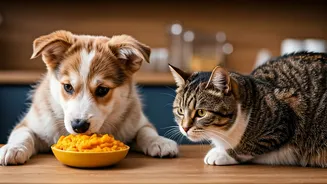
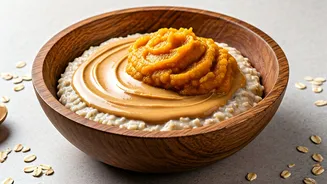
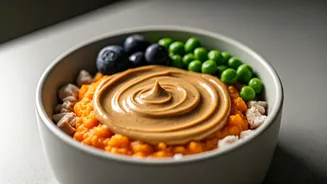
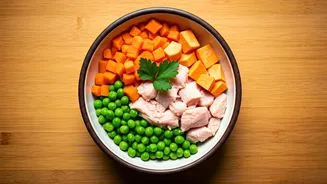
particularly among urban millennials and Gen Z. These pet parents, who grew up reading labels and questioning processed foods for themselves, are now applying the same scrutiny to what their furry companions eat. This isn't just about spoiling a pet; it’s a direct extension of a broader wellness movement. The same person who seeks out organic vegetables and avoids artificial ingredients for their own plate is now asking why their pet’s food should be any different. The result is a move towards homemade meals—think steamed chicken with pumpkin, brown rice with minced mutton, and a medley of dog-friendly vegetables—all prepared with the same care as a family meal.
The Push Away From Packaged Food
What’s driving this 'rejection' of factory kibble? For many, it boils down to trust and transparency. Concerns about the contents of commercial pet food have been simmering for years. Pet parents voice worries about low-quality fillers like corn and soy, the use of meat by-products of questionable origin, and the presence of artificial preservatives and colours. While many reputable brands produce nutritionally complete kibble, a lack of clear, understandable labelling can create suspicion. The long shelf life of dry food, while convenient, also makes some wonder what it takes to keep it stable for months or even years. This desire for 'real food' with recognisable ingredients is a powerful motivator. Owners want to see the chicken, feel the rice, and know exactly what is—and isn't—going into their pet’s bowl.
The Nutritional Debate: Vet's Viewpoint
While the intention is noble, the switch to homemade food is not without its complexities. Proponents claim a fresh diet leads to shinier coats, better energy levels, and improved digestion. However, veterinarians urge caution. The single biggest risk of a DIY diet is nutritional imbalance. Dogs and cats have specific, complex dietary needs that differ greatly from humans. A diet lacking the right ratio of protein, fats, calcium, phosphorus, and essential vitamins can lead to serious health problems over time, from brittle bones to organ damage. Formulating a balanced meal requires significant research and, ideally, guidance from a veterinary nutritionist. While kibble may seem 'processed,' high-quality commercial foods are formulated by experts to be nutritionally complete and balanced, taking the guesswork out of feeding. The consensus among vets is clear: a well-planned, vet-approved homemade diet can be excellent, but a poorly planned one is far more dangerous than a standard bag of good-quality kibble.
A New Market Is Born
Recognising the gap between the desire for fresh food and the difficulty of preparing it correctly, a new industry has emerged in India. A host of startups and boutique businesses now offer pre-portioned, freshly cooked, and nutritionally balanced meals for pets, delivered right to your doorstep. Companies like Doggie Dabbas, PetSutra, and many local city-based services are catering to this demand. They often work with vets to formulate their recipes, offering everything from customised meal plans for pets with allergies to special therapeutic diets. This 'fresh-but-convenient' model provides a middle ground for pet parents who want the benefits of a homemade diet without the risk and effort of doing it all themselves. It’s a clear sign that the trend is moving from a niche hobby to a commercially viable market segment, validating the demand for higher-quality pet nutrition.
Making the Switch Safely
If you're considering moving your pet to a homemade diet, planning is paramount. The first and most crucial step is to consult your veterinarian. They can assess your pet’s specific health needs, age, and activity level to recommend a suitable diet. They may even refer you to a veterinary nutritionist. Do your research to understand the fundamental building blocks of your pet's diet and learn which human foods are toxic (like onions, grapes, and chocolate for dogs). When you do make a change, do it gradually over a week or two, mixing the new food with the old to avoid upsetting your pet’s digestive system. Whether you choose to cook yourself or subscribe to a fresh food service, the goal remains the same: a happy, healthy companion for years to come.