






The Psychology of Invisible Money
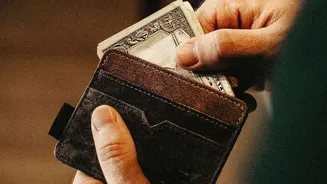
When you hand over a physical ₹100 note, you feel the purchase. This is known as the "pain of paying." Digital payments, like UPI, remove this friction. The transaction is just a number on a screen, emotionally separating the act of buying from the act of paying. Studies
have shown people are willing to spend significantly more when they don't use cash. This is the core reason why your daily snack and ride budget might be spiralling. Each small spend feels insignificant, but collectively they create a major dent in your finances without you even realising it.
First Step: Become a Spending Detective
You can't manage what you don't measure. Before you can make a budget, you need to know exactly where your money is going. Spend a week or two just tracking your UPI expenses without judgement. Most UPI apps like Google Pay, PhonePe, and Paytm have built-in features that categorise your spending. Dive into your transaction history. You might be surprised to see how much you're spending on daily commutes or evening snacks. Several third-party apps like Walnut or Moneyview can also automatically track your expenses by reading your transaction SMS alerts, giving you a consolidated view of your spending habits.
The Digital Envelope System
The envelope system is a classic budgeting method where you allocate cash into physical envelopes for different spending categories. We can adapt this for the digital age. Create a dedicated "fun money" or "daily spends" budget for the month. Then, open a secondary bank account with minimal balance and link it exclusively to your UPI apps for these non-essential spends. At the start of the month or week, transfer your allocated budget (say, ₹5,000) into this account. All your chai, snacks, and auto rides get paid from this account. Once the money is gone, it's gone. This creates intentional friction and forces you to be mindful of your discretionary spending in real-time.
Use Your Bank's Superpower: Set Limits
While many UPI apps don't let you set custom spending caps, your bank's own app or net banking portal often does. The default daily UPI limit is typically ₹1 lakh, which is too high for managing small expenses. Banks like HDFC, ICICI, and SBI allow you to manually lower this daily transaction limit. Look for options under 'UPI Settings' or 'Fund Transfer Limits'. By reducing your limit to a more reasonable amount, say ₹1,000 per day, you create a hard stop for yourself. This acts as a financial safety net, preventing impulse purchases and containing potential damage if your PIN is compromised.
Embrace a Weekly 'Cash-Only' Day
To reset your internal spending metre, try introducing a 'cash-only' day once a week. Leave your phone at home (if possible) or at least resist the urge to scan and pay. Go to an ATM, withdraw a fixed amount for the day, and use only that cash for your expenses. This simple exercise reconnects you with the tangible feeling of money leaving your hands. It forces you to make more conscious decisions about your purchases and helps recalibrate your perception of value, making you more mindful even when you switch back to UPI for the rest of the week.