




What Exactly Is Ambali?
Ambali is a traditional fermented drink, popular for centuries in southern Indian states like Karnataka, Andhra Pradesh, and Telangana. It's typically made from millet flour—most commonly finger millet (ragi)—which is cooked into a porridge and then left
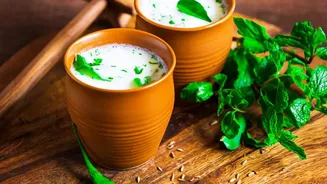
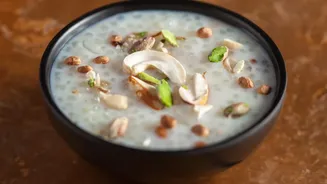
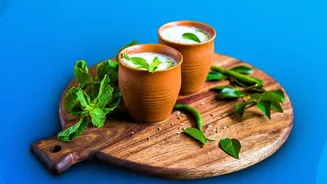
to ferment overnight or longer. This natural fermentation process gives the drink a characteristically light, tangy flavour and transforms it into a probiotic powerhouse. Traditionally consumed as a thin gruel to provide sustenance and hydration, it was the original energy drink for farmers and labourers braving the intense Indian summer. It can be served savoury, mixed with buttermilk and salt, or sweet with a touch of jaggery.
The Health Halo: A Gut-Friendly Superfood
The primary driver of Ambali's modern resurgence is its impressive health profile. At a time when gut health is a major wellness focus, Ambali stands out as a natural source of probiotics. The fermentation process cultivates beneficial bacteria that support a healthy digestive system, much like yoghurt or other fermented foods. Millets themselves are nutritional powerhouses; ragi, for instance, is naturally gluten-free and rich in calcium, iron, and fibre. This makes Ambali an excellent choice for those with gluten intolerance or anyone looking to manage blood sugar levels, as millets have a low glycemic index. Its high fibre content also promotes a feeling of fullness, which can aid in weight management.
From Humble Staple to Cafe Star
So, why is this rustic beverage suddenly showing up in chic urban cafes? The trend is part of a larger cultural shift towards embracing traditional and indigenous foods. Post-pandemic, there's been a surge in health consciousness, with consumers actively seeking out natural, nutrient-dense options over processed products. Ambali fits perfectly into this new wellness paradigm. It offers an authentic story rooted in Indian heritage, combined with scientifically-backed health benefits. This revival mirrors the recent popularity of other traditional drinks like sattu, kanji, and solkadhi, which are also being rediscovered by a younger, health-aware generation proud of their culinary roots.
The Modern Makeover
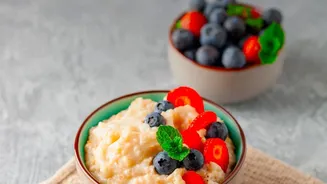
To appeal to a modern palate and aesthetic, cafes are giving Ambali a contemporary twist. While its core preparation remains the same, the presentation is being elevated. Instead of a simple tumbler, you might find Ambali served in an artisanal glass, garnished with fresh mint or infused with complementary flavours. Some establishments are experimenting with variations like Ambali smoothies, fruity bowls, or even using it as a base for salad dressings. This rebranding makes the ancient drink more accessible and 'Instagrammable' for a new audience that values both authenticity and modern presentation. By packaging tradition in a fresh, attractive format, cafes are successfully introducing an age-old superfood to the mainstream.