



Choose the Perfect Clay Pots
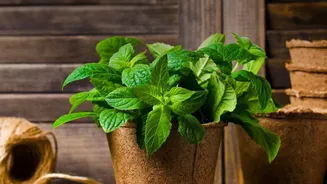
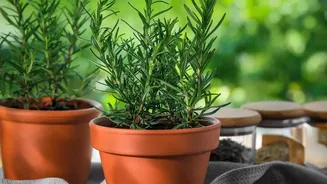
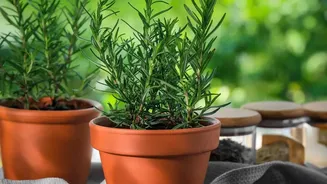
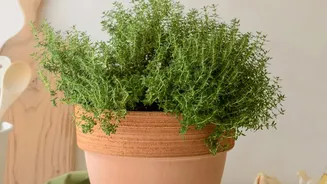
The foundation of your windowsill garden is the humble clay or terracotta pot. Its porous nature is excellent for herbs, as it allows air and moisture to move through the sides, preventing waterlogged soil and root rot. For a kitchen windowsill, select
pots that are between 4 to 8 inches in diameter; this size is large enough for healthy root growth but won't overcrowd your space. When choosing, look for a variety of shapes and sizes to create visual interest. Most importantly, ensure every pot has a drainage hole at the bottom. Without it, your herbs will be susceptible to root decay.
Prepare Your Pots for Planting
Before you get to the creative part, a little prep work goes a long way. If you're using new terracotta pots, it's a great practice to soak them in water for a few hours, or even overnight. Because clay is porous, a dry pot can wick moisture away from the soil and your newly planted herbs. Soaking saturates the clay, ensuring the water you provide goes directly to the plant's roots. If you are reusing old pots, give them a good scrub with a wire brush and a simple solution of water and dish soap to remove any old soil or mineral deposits.
Unleash Your Creativity: Styling Techniques
This is where you can truly personalise your herb garden. Plain terracotta has a rustic charm, but a little paint can elevate it to match your kitchen decor. Chalk paint offers a lovely matte, farmhouse-style finish and allows you to write the herb names directly on the pot. For a modern look, use painter's tape to create crisp, geometric patterns or color-blocked designs. Another simple yet elegant technique is decoupage, where you can apply decorative paper napkins with unique patterns onto the pot using Mod Podge. You can even just wrap the rim of the pots with jute rope for a simple, earthy aesthetic.
Potting Your Aromatic Herbs
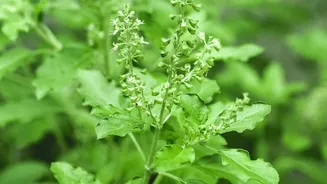
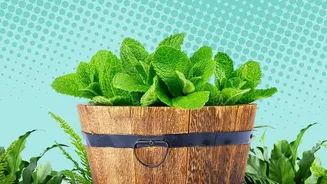
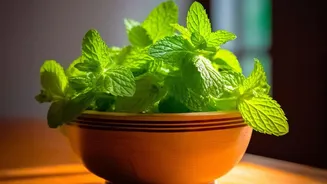
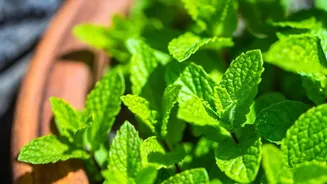
Now it's time to plant. Fill your styled pots with a high-quality, well-draining potting mix. For Tulsi (Holy Basil), ensure it gets plenty of sunlight, at least 4-6 hours a day. It is a sacred plant in many Indian households and thrives in warm, sunny spots. Mint is a vigorous grower and loves consistently moist soil; it's quite forgiving and can even tolerate partial shade. Coriander (Dhania) can be grown easily from seeds. Sprinkle them over the soil, cover lightly, and keep moist. It prefers cooler conditions, so a spot with morning sun is ideal to prevent it from bolting (flowering prematurely).
Arranging Your Windowsill Garden
The final step is arranging your beautiful pots on the windowsill. Create a dynamic display by playing with height. You can use small stands or even upturned saucers to elevate some pots. Grouping the pots in odd numbers, like three or five, is a classic design trick that creates a more natural and visually appealing arrangement. You can also place taller plants like Tulsi towards the back and shorter, bushier herbs like mint and coriander in the front. Don't be afraid to mix in other small decorative items to complete the look and make the space uniquely yours.