








IMD's Latest Forecast: Path and Landfall
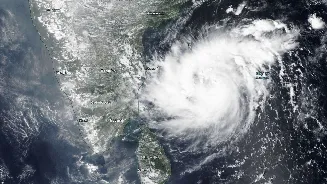
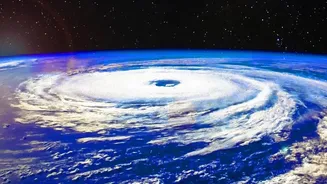
The India Meteorological Department (IMD) is closely tracking Cyclonic Storm Akvan, which formed over the Bay of Bengal and is steadily gaining strength. According to the latest bulletins, the system is moving northwestwards and is expected to make landfall
on November 20. The projected landfall area is along the Andhra Pradesh coast, somewhere between Nellore and Visakhapatnam. The IMD has issued alerts for several coastal districts, advising authorities and the public to prepare for the storm's impact. The system is expected to cross the coast around noon on November 20.
Projected Intensity: A 'Very Severe' Threat
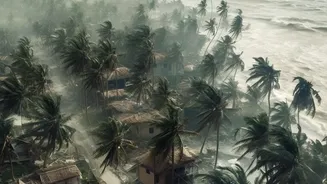
Akvan is not just another storm; it is forecast to become a Very Severe Cyclonic Storm by the morning of November 19. This means it will pack sustained wind speeds of 120-130 km/h, with gusts reaching up to 145 km/h at the time of landfall. This intensity poses a significant threat to infrastructure, with the potential for widespread damage to homes, trees, and power lines. Sea conditions are expected to become 'phenomenal', or extremely rough, over the west-central Bay of Bengal from November 19 until the storm crosses the coast, making marine activities exceptionally dangerous.
Areas on Alert and Expected Impact
While Andhra Pradesh is expected to bear the direct brunt of the cyclone, its effects will be felt across a wider region. Heavy to extremely heavy rainfall is predicted for coastal Andhra Pradesh and Yanam on November 19-20. Neighboring states are also on watch, with heavy rainfall alerts issued for Tamil Nadu, Odisha, and Telangana. Authorities are particularly concerned about the risk of a storm surge, which the IMD warns could be 1-2 metres above the usual tide levels, potentially inundating low-lying coastal areas in several districts of Andhra Pradesh.
Context: An Active Post-Monsoon Season
Cyclone Akvan is the third named storm to develop in the Bay of Bengal in a short period, following cyclones Arnab and Murasu, which also impacted India's east coast earlier in the post-monsoon season. This unusually active period has put coastal communities, particularly in Andhra Pradesh, under repeated stress. The name 'Akvan' was proposed by Iran and comes from a character in the Persian epic, Shahnameh. The naming of cyclones helps in their identification and in disseminating warnings effectively to the public across different regions and countries.
Official Guidance and Safety Measures
In response to the forecast, the IMD and the National Disaster Management Authority (NDMA) have issued clear instructions. Fishermen have been strongly advised not to venture into the Bay of Bengal. Residents in coastal areas, especially those in temporary or poorly constructed homes, are urged to move to safer locations or designated cyclone shelters. People are advised to keep an emergency kit ready with essentials like food, water, and medicines. It is crucial to follow official updates from the IMD and local authorities rather than relying on rumors. Warnings are being disseminated through various channels to ensure maximum public awareness.