





The Old Way: The Problem with Jewellery as an Investment
Physical gold, especially jewellery, holds deep cultural and emotional value. It’s worn at weddings, gifted during festivals, and passed down through generations. However, when viewed purely as a tool for wealth creation, it has significant drawbacks.
The biggest issue is cost. When you buy a gold necklace or bangle, you're not just paying for the gold; you're paying for craftsmanship, design, and branding. These "making charges" can range from 8% to over 25% of the item's value. This premium is almost never recovered when you sell. Then there are concerns about purity—is that 22-karat piece truly 91.6% pure gold?—and the costs and risks of storage, such as bank locker fees or the threat of theft. For these reasons, what you buy as an heirloom often fails as an efficient financial asset.
The New Contenders: Digital Gold and Gold ETFs Explained
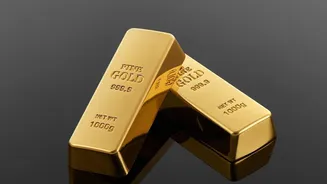
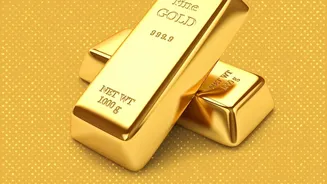
Enter the modern alternatives that are reshaping how Indians invest in gold. Digital Gold is a method of buying 24-karat gold online without physically holding it. Companies like SafeGold and MMTC-PAMP sell gold that is stored in insured vaults on your behalf. You can buy it 24/7 through various apps, often starting with as little as ₹1. It's simple, accessible, and you own a portion of real, high-purity gold. Gold Exchange Traded Funds (ETFs) are a bit different. They are investment funds that track the domestic price of gold and are traded on stock exchanges like the NSE and BSE, just like stocks. Each unit of a Gold ETF typically represents one gram of 99.5% pure gold. Because they are regulated by the Securities and Exchange Board of India (SEBI), they offer a high degree of transparency and investor protection.
Cost-Effectiveness: Escaping the Making Charges
The most compelling argument for digital options is cost. Both digital gold and Gold ETFs eliminate the hefty making charges associated with jewellery. While digital gold purchases include a 3% GST, similar to physical gold, Gold ETFs have a structural advantage as they do not attract GST at the time of purchase. Instead, ETFs have a small annual expense ratio (usually 0.5-1%) to cover management fees. Over time, avoiding those initial 8-25% making charges means a much larger portion of your money is invested directly into the asset itself, allowing it to grow more efficiently.
Purity and Liquidity: A Guarantee of Value and Access
With digital options, purity is guaranteed. Digital gold is certified 24-karat (99.9% pure), and Gold ETFs are backed by physical gold of a standard high purity, removing the guesswork common with traditional jewellery. This assurance is critical for an investment's value. When it comes to selling, the difference is even starker. Selling jewellery can be a slow process, and you often get a price based on the "melt value," which is far below what you paid. In contrast, Gold ETFs are highly liquid and can be sold on the stock exchange during market hours. Digital gold also offers high liquidity, with many platforms allowing you to sell back your holdings online instantly at market-linked prices.
Smarter Taxation for Faster Growth
For smart wealth growth, tax efficiency is key. Here, Gold ETFs currently have a distinct advantage. Under the 2026 tax laws, gains from Gold ETFs are considered long-term capital gains (LTCG) if held for just 12 months, and are taxed at a flat rate of 12.5%. Physical and digital gold, however, require a holding period of 24 months to qualify for the same LTCG rate. If sold before that, the gains are taxed at your personal income tax slab rate, which can be much higher. This shorter holding period for ETFs makes them a more tax-efficient instrument for investors with a medium-term horizon.
The Verdict: Adornment vs. Accumulation
The shift from physical jewellery to digital gold and Gold ETFs reflects a broader trend of financialization, especially among younger, tech-savvy investors. This is not to say that gold jewellery has lost its place; its cultural and sentimental value is irreplaceable. The choice depends on your goal. If you want a beautiful ornament that also happens to hold some value, jewellery is the answer. But if your primary objective is to strategically accumulate wealth and build a diversified portfolio, the evidence is clear. Digital gold offers unparalleled accessibility for small, regular investments, while Gold ETFs provide a regulated, cost-effective, and tax-efficient vehicle for serious investors. Both are fundamentally smarter ways to make your money shine.