







The AC Deception: A Comfort that Hides Dehydration
Stepping from the sticky monsoon humidity into a crisp, air-conditioned gym feels like a relief. But this comfort comes with a catch. Air conditioners work by removing moisture from the air, which creates a much drier environment. This dry air acts like a sponge,
pulling moisture from your skin and breath. Critically, your sweat evaporates much faster, so you may not feel as drenched as you would outside. This can trick you into thinking you aren't losing much fluid when, in reality, you are sweating significantly. This effect is compounded because the cool air can also suppress your natural thirst signals, making it easy to fall behind on hydration without even realizing it.
What Are Electrolytes and Why Do They Matter?
Electrolytes are essential minerals like sodium, potassium, calcium, and magnesium that carry an electric charge when dissolved in water. They are vital for your body to function correctly. They help regulate fluid balance, enable muscle contractions (including your heartbeat), and transmit nerve signals. When you sweat, you don't just lose water; you lose these crucial minerals. Losing too many without replacing them can throw your body's systems out of whack, leading to performance dips and uncomfortable symptoms.
Spot the Early Warning Signs of Imbalance
An electrolyte deficiency doesn't always announce itself dramatically. The early signs are often subtle and can be easily mistaken for just having a tough workout. Be mindful of symptoms like unusual fatigue, persistent headaches, dizziness, or a general feeling of sluggishness. Muscle cramps, especially in the legs, are a classic sign that your electrolyte levels might be low. You might also experience nausea or feel irritable for no apparent reason. Paying attention to these signals is the first step in correcting the issue before it gets worse.
Your Pre-Workout Hydration Strategy
Preventing an imbalance starts before you even step on the treadmill. Aim to be well-hydrated throughout the day, not just an hour before your workout. About an hour before your session, have a snack that contains a mix of carbohydrates for energy and natural electrolytes. A banana, which is rich in potassium, is an excellent choice. Other great options include a small bowl of yoghurt (for calcium) topped with a few salted almonds (for sodium and magnesium) or a glass of coconut water, a natural source of potassium and other electrolytes.
Smart Sipping During Your Workout
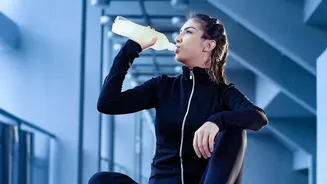
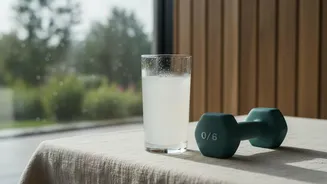
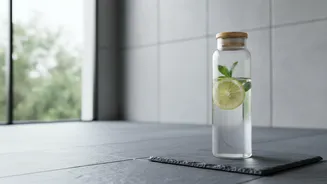
For most workouts under an hour, plain water is generally sufficient to stay hydrated. However, if you're engaging in a high-intensity session, a workout lasting longer than 60-90 minutes, or if you know you're a heavy sweater, you may need more than just water. This is where an electrolyte-replenishing drink becomes beneficial. Adding a pinch of salt and a squeeze of lemon to your water bottle can make a simple but effective electrolyte drink. This helps replace the sodium lost through sweat, which is crucial for maintaining fluid balance.
Refuel and Replenish Post-Workout
What you consume after your workout is just as important as what you have before and during. Your post-workout meal is a prime opportunity to restore your electrolyte stores naturally through food. Focus on a balanced meal that includes sources of key minerals. Leafy greens like spinach are packed with magnesium and calcium. Lentils (dal) and beans are excellent sources of potassium and magnesium. A piece of fruit like an orange or some watermelon can also help replenish potassium while rehydrating you. Don't be afraid of a little salt on your food to help restore sodium levels.