


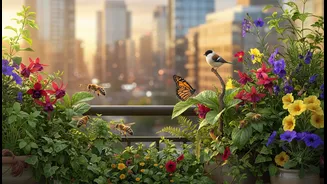


Why Your Balcony Matters
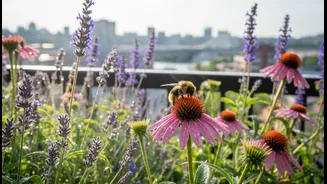
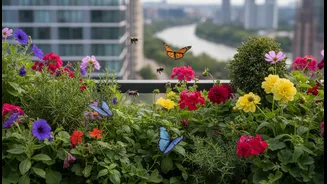
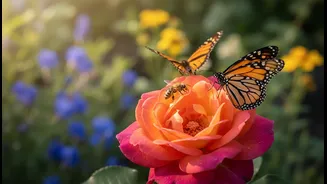
Pollinators like bees, butterflies, and even some birds are essential for the health of our planet, responsible for the reproduction of a vast majority of the world's flowering plants, including many of our food crops. However, urbanisation and habitat
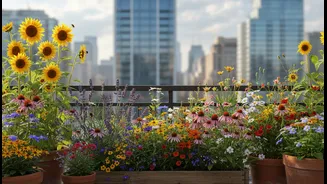
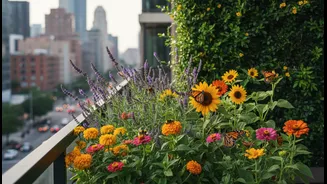
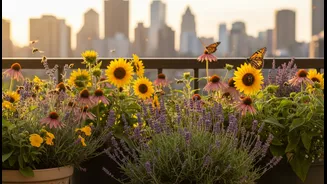
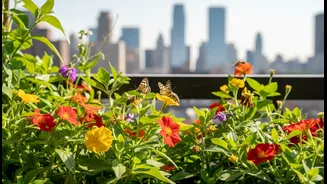
loss have put these vital creatures under pressure. Cities can become fragmented landscapes, making it difficult for pollinators to find food and shelter. This is where your balcony comes in. By cultivating a small garden, you create a crucial refuelling station on their urban journey, a pocket of biodiversity amidst the concrete. It’s a small action with a significant and beautiful ripple effect.
Choosing the Right Plants
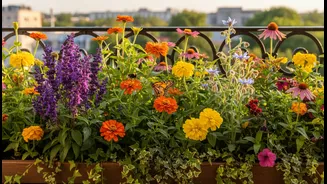
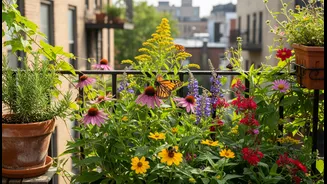
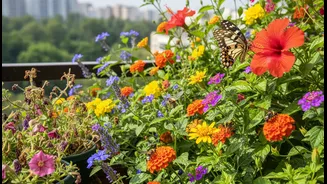
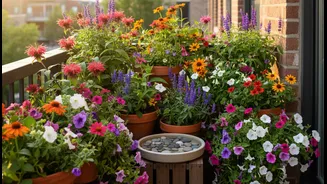
The key to a successful pollinator pit-stop is a continuous supply of nectar-rich flowers. For Indian balconies, a mix of native and well-adapted plants is ideal. Marigolds (Genda) are a fantastic choice, as their bright colours and nectar attract bees and butterflies. Similarly, Petunia, Salvia, and Lantana are hardy and loved by pollinators. Don’t forget herbs! Allowing some Tulsi (Sacred Basil) to flower will bring bees in numbers, and the blooms of mint and lavender are also irresistible. Aim for variety in colour and shape to attract a wider range of visitors, and try to have something blooming in different seasons. Butterfly Pea is a great climber that provides beautiful coverage and edible flowers.
Setting Up Your Sanctuary
Beyond plants, a few simple additions can make your balcony a five-star resort for pollinators. First, provide a water source. A shallow dish filled with pebbles or marbles and a little water creates a safe place for bees and butterflies to land and drink without drowning. Second, absolutely avoid chemical pesticides. These are harmful to the very creatures you’re trying to attract. Opt for natural pest control methods like using neem oil sprays if necessary. Finally, think about shelter. A few larger plants or even a small, store-bought 'bee hotel' can provide a safe haven from strong winds or intense sun.
Pots, Soil, and Sunshine
Successful container gardening starts with the basics. Ensure your pots have drainage holes to prevent waterlogging, which can kill plant roots. Terracotta pots are an excellent choice as they are porous and allow soil to breathe. For soil, a mix of garden soil, coco peat, and compost is generally recommended for balcony gardening in India, as it retains moisture while remaining lightweight. Before you start, observe your balcony to see how much sun it gets. Most flowering plants and vegetables need at least four to six hours of direct sunlight to thrive. South or west-facing balconies are often best for sun-loving pollinator plants.
Maintaining Your Mini-Oasis
Once your garden is established, maintenance is straightforward. Water your plants regularly, typically in the morning, checking first if the top inch of soil is dry to the touch—overwatering is a common mistake. Container plants can dry out faster than those in the ground, especially during hot summers. Deadheading, or pinching off spent flowers, is another crucial step. This not only keeps your plants looking tidy but also encourages them to produce more blooms, ensuring a steady food supply for your pollinator friends throughout the season. Regularly check under leaves for any pests so you can deal with them early and naturally.