




The Golden Secret: Why Soaking Saffron is Key
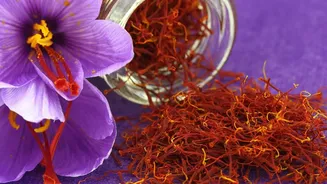
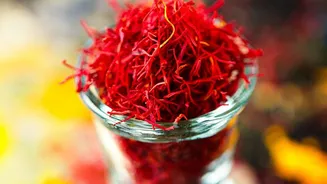
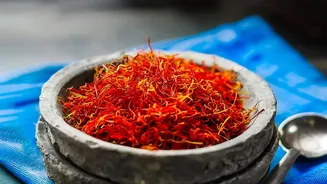
Adding dry saffron threads directly to a dish is a common mistake that wastes this precious spice. The delicate threads of saffron, which are the dried stigmas of the Crocus sativus flower, hold their potent flavour and colour compounds, crocin and safranal,
within their structure. Soaking them in a warm liquid—a process often called 'blooming'—is essential to hydrate the threads and encourage them to release these compounds. Without this step, the colour and aroma won't distribute evenly, leaving you with a less fragrant dish and weak streaks of yellow instead of a uniform golden glow. Soaking ensures that every bit of flavour is extracted, making the most of your investment.
Your Guide to Perfectly Soaked Saffron
Blooming saffron is a simple but vital art. Start by taking a generous pinch of saffron threads, about 15 to 20 for a dish serving four people. You can lightly crush the threads between your fingers or with a mortar and pestle to increase the surface area for infusion. Place the saffron in a small bowl and pour over two to three tablespoons of a warm liquid. Crucially, the liquid should be warm, not boiling hot, as high temperatures can destroy saffron's delicate aromatic compounds. The choice of liquid depends on your recipe; warm milk is perfect for desserts like kheer or biryani, while warm water or broth works well for savoury rice dishes. Let the threads steep for at least 20 to 30 minutes. You'll know it's ready when the liquid turns a deep, vibrant golden-orange and carries a strong, honey-like fragrance.
Recipe Idea: Shahi Biryani
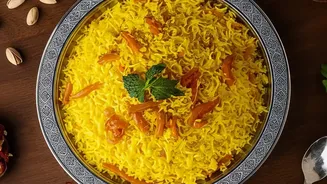
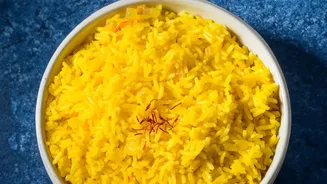
No dish showcases saffron's regal character quite like a Shahi Biryani. Here, soaked saffron is not just for colour but for an aroma that defines the dish. After layering your cooked meat or vegetables with par-cooked basmati rice, it's time for the final touch. Drizzle the saffron-infused milk in distinct streaks across the top layer of rice before sealing the pot for the final 'dum' cooking. This technique creates the beautiful mottled effect of golden and white grains that is the hallmark of an authentic biryani. The steam trapped inside the pot will carry the saffron's fragrance through every grain of rice, creating a truly royal feast for the senses.
Recipe Idea: Creamy Kesar Kheer
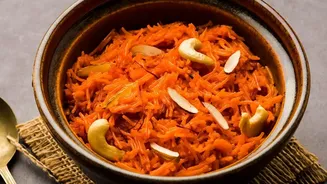
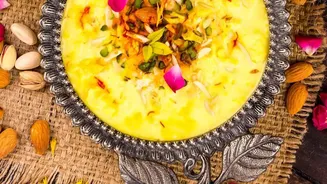
Kesar Kheer is a beloved Indian rice pudding, and its soul lies in the gentle flavour of saffron. For the creamiest and most fragrant result, the saffron infusion should be added strategically. Prepare your saffron by soaking the threads in a few tablespoons of warm milk while the rice simmers. Once the rice is soft and the kheer has started to thicken, stir in the saffron-infused milk. Adding it towards the end of the cooking process ensures that its delicate, floral notes are not boiled away, preserving the full depth of its flavour. The result is a uniformly golden, aromatic pudding that feels both comforting and luxurious.
Recipe Idea: Refreshing Kesar Pista Lassi
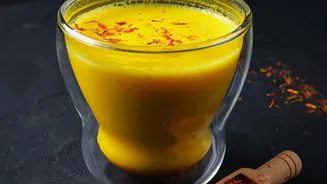
Saffron isn't just for hot dishes; it also brings a touch of elegance to cold drinks like lassi. A Kesar Pista Lassi is a perfect thirst-quencher with a sophisticated twist. To make it, bloom a pinch of saffron in a tablespoon of warm water or milk until the liquid is deeply coloured. In a blender, combine thick yoghurt, the saffron infusion, a handful of pistachios, and your preferred sweetener (like honey or sugar). Add a splash of cold water or milk and blend until smooth and frothy. The saffron provides a beautiful pale-gold colour and a subtle, complex flavour that pairs wonderfully with the nuttiness of the pistachios, elevating this simple drink into something truly special.
Tips for Buying and Storing Your Saffron
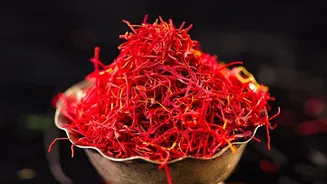
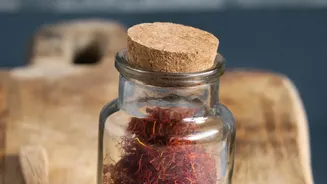
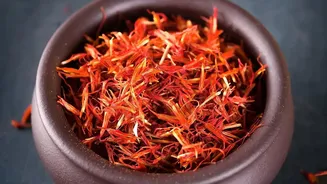
To ensure your dishes shine, start with high-quality saffron. Look for threads that are a deep, uniform red with slightly lighter orange tips; this is a sign of authenticity. Avoid powdered saffron, as it can be easily adulterated and loses its potency quickly. When you get it home, proper storage is key to preserving its flavour and aroma. Keep your saffron in an airtight container, away from direct sunlight, heat, and moisture. A cool, dark cupboard is the ideal storage spot. Do not store it in the refrigerator, as the condensation can degrade its quality over time. When stored correctly, saffron threads can retain their powerful character for up to two years.