





The Building Blocks of Recovery
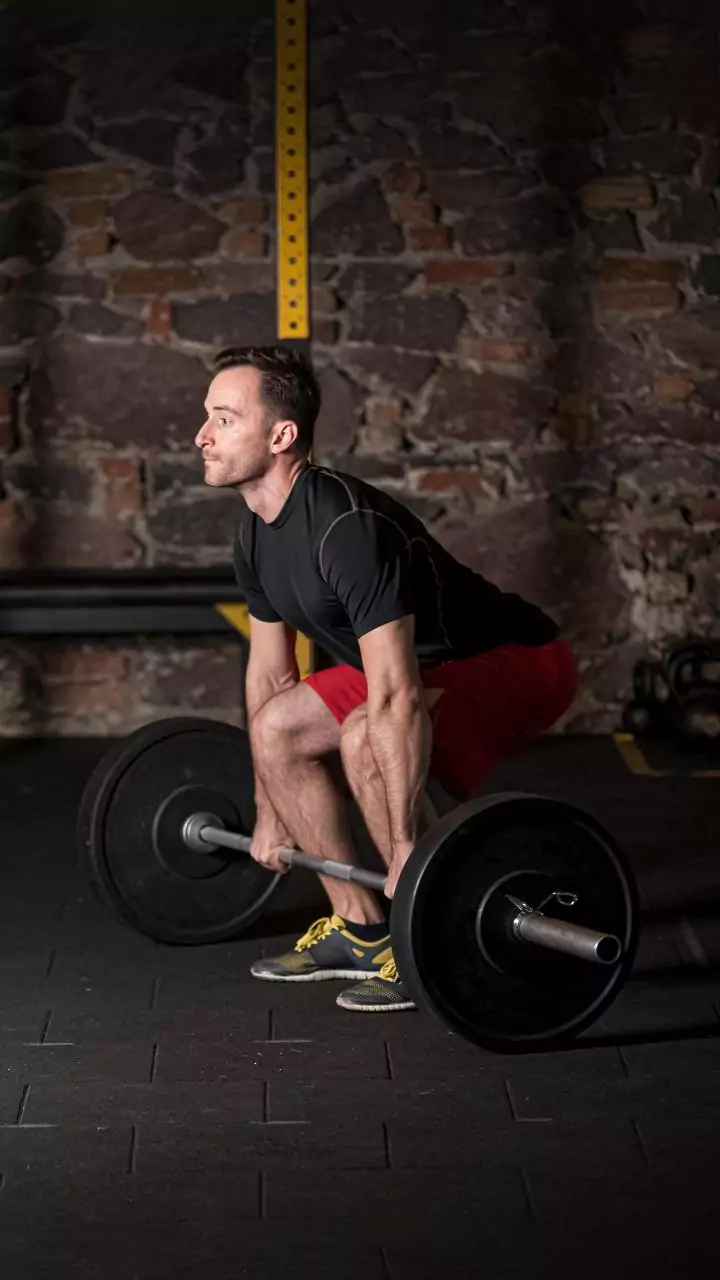
When you work out, you create tiny micro-tears in your muscle fibres. The process of repairing and rebuilding these fibres is what makes your muscles stronger, and protein is the essential raw material for this job. But not all protein is created equal.
Proteins are made up of smaller compounds called amino acids. There are 20 different amino acids, and nine of them are considered 'essential' because your body can't produce them on its own; you must get them from food. Foods that contain all nine of these essential amino acids in sufficient amounts are known as 'complete proteins'. While most animal-based proteins are complete, the majority of plant-based foods are 'incomplete', meaning they are low in one or more essential amino acids.
The Power of Protein Combining
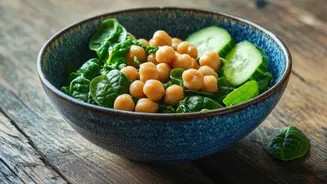
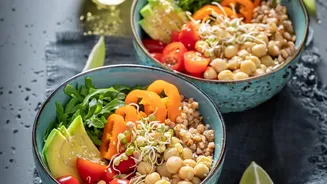
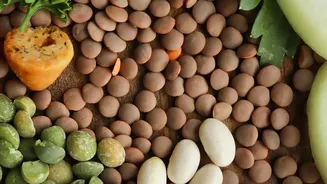
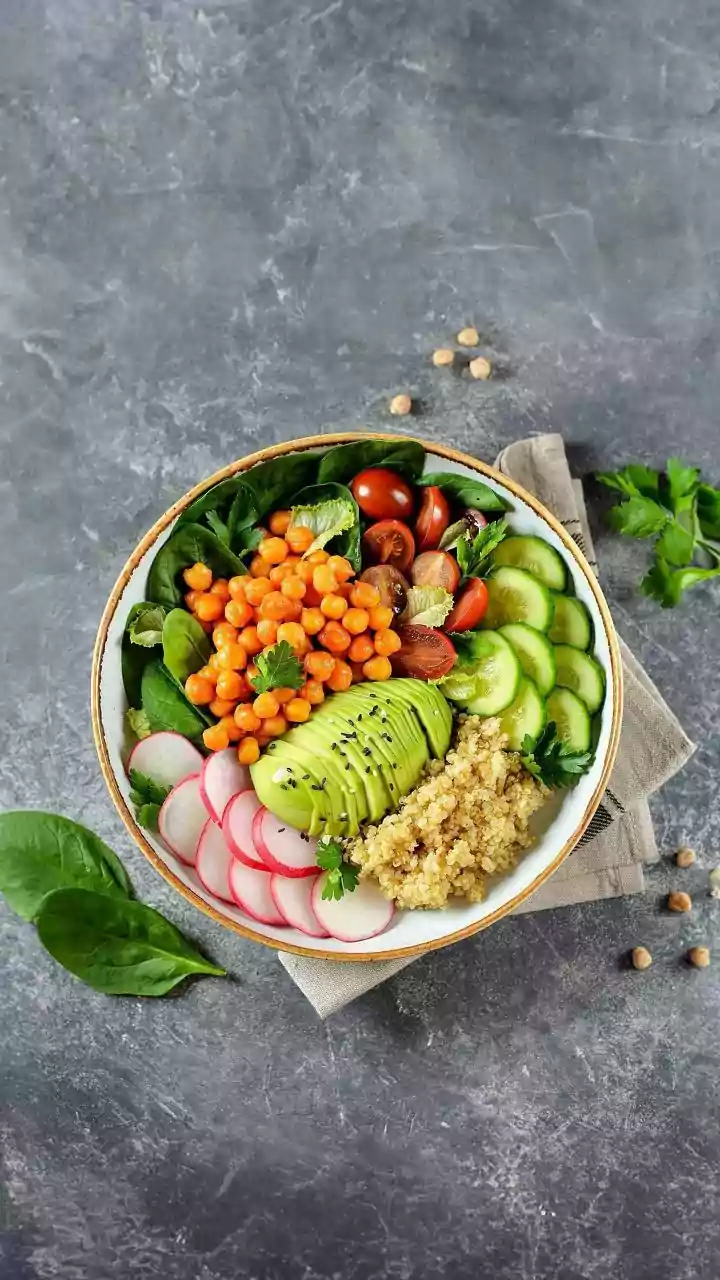
This is where the concept of 'protein combining' or 'complementary proteins' comes in. It’s a simple yet effective nutritional strategy. By pairing two or more incomplete plant proteins, you can create a meal that provides all nine essential amino acids, effectively forming a complete protein. The classic duo for achieving this is whole grains and legumes. Generally, whole grains like wheat, rice, and corn are low in the essential amino acid lysine. Legumes, on the other hand, such as beans, lentils, and chickpeas, are typically rich in lysine but lower in another amino acid, methionine. When you eat them together, their amino acid profiles complement each other perfectly. The lysine from the legumes fills the gap in the grains, while the methionine from the grains balances out the legumes.
Do They Have to Be in the Same Meal?
For a long time, it was believed that you had to eat complementary proteins at the exact same meal to get the benefit. However, modern nutritional science has shown that it's a bit more flexible. Your body maintains a pool of free amino acids, so as long as you consume a variety of plant protein sources throughout the day, you can still meet your body's needs for muscle synthesis and repair. That said, combining them in a meal is a convenient and surefire way to know you're covering your bases, especially post-workout when your muscles are primed for nutrient absorption. There is no evidence that a vegetarian diet hinders performance; in fact, well-planned plant-based diets can effectively support training demands and muscle recovery.
Practical Pairings for Your Plate
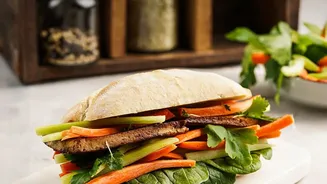
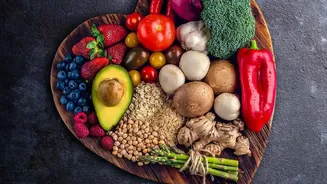
Putting this into practice is not only easy but also delicious, as these combinations are staples in cuisines around the world. A simple bowl of rajma or dal with brown rice is a perfect example from Indian kitchens. Other classic pairings include black beans and rice, a whole-wheat tortilla with a bean burrito, lentil soup served with a slice of whole-grain bread, or hummus (made from chickpeas) with whole-wheat pita. Even peanut butter on whole-grain toast is an effective complementary protein snack. These meals are not only protein-packed but also rich in fibre, complex carbohydrates, and micronutrients that further support overall health and sustained energy levels.