




The End of Compromise Footwear
For years, monsoon footwear was a choice between uninspired-but-practical rubber floaters or sacrificing your favourite stylish shoes to the elements. The 2026 season marks a decisive shift away from this compromise. Indian consumers, having grown accustomed
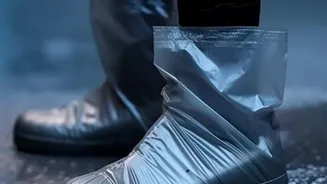
to the all-day comfort of sneakers and athleisure, are no longer willing to endure flimsy, uncomfortable, or slippery shoes for a third of the year. This demand for better performance has pushed manufacturers to innovate, leading to a new generation of rainwear that blends the durability of outdoor gear with the aesthetics of everyday fashion. The result is a market where functionality is the main attraction, and style is an expected bonus, not a trade-off.
Material Matters: Beyond Basic Rubber
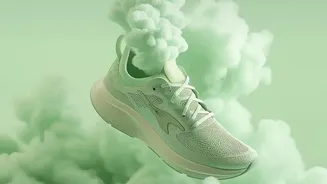
The secret behind this footwear evolution lies in advanced materials that go far beyond traditional PVC and basic rubber. EVA (ethylene vinyl acetate), known for its lightweight and cushioning properties, has become a mainstay in clogs and sandals, offering comfort without the bulk. At the premium end, waterproof membranes like Gore-Tex, once confined to high-performance hiking boots, are now being integrated into everyday sneakers and loafers. These materials create a barrier against rain while allowing sweat to escape, keeping feet dry from both the outside and inside. Another key trend is the resurgence of 'jelly' footwear, now made from modern, softer materials like Melflex which are waterproof, easy to clean, and surprisingly comfortable for all-day wear.
Grip Technology Gets a Reboot
Perhaps the most critical advancement this monsoon is the renewed focus on grip. Slipping on wet, mossy, or tiled surfaces is a major hazard, and footwear brands are finally addressing it with serious technology. Gone are the days of flat, smooth soles. The 2026 standard demands outsoles with deep, textured grooves and channels designed to disperse water and maintain contact with the ground. Look for terms like 'high-traction rubber,' 'calendared outsoles,' or proprietary technologies like Vibram Megagrip and Contagrip, which are migrating from trail running shoes into urban rainwear. These outsoles provide the confidence to walk on slick pavements, ensuring safety is as much a feature as waterproofing.
Style Meets Substance: This Season's Key Silhouettes
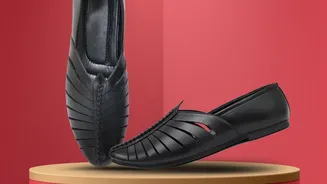
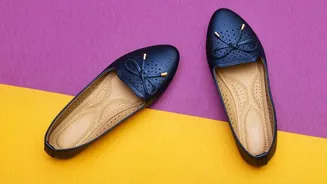
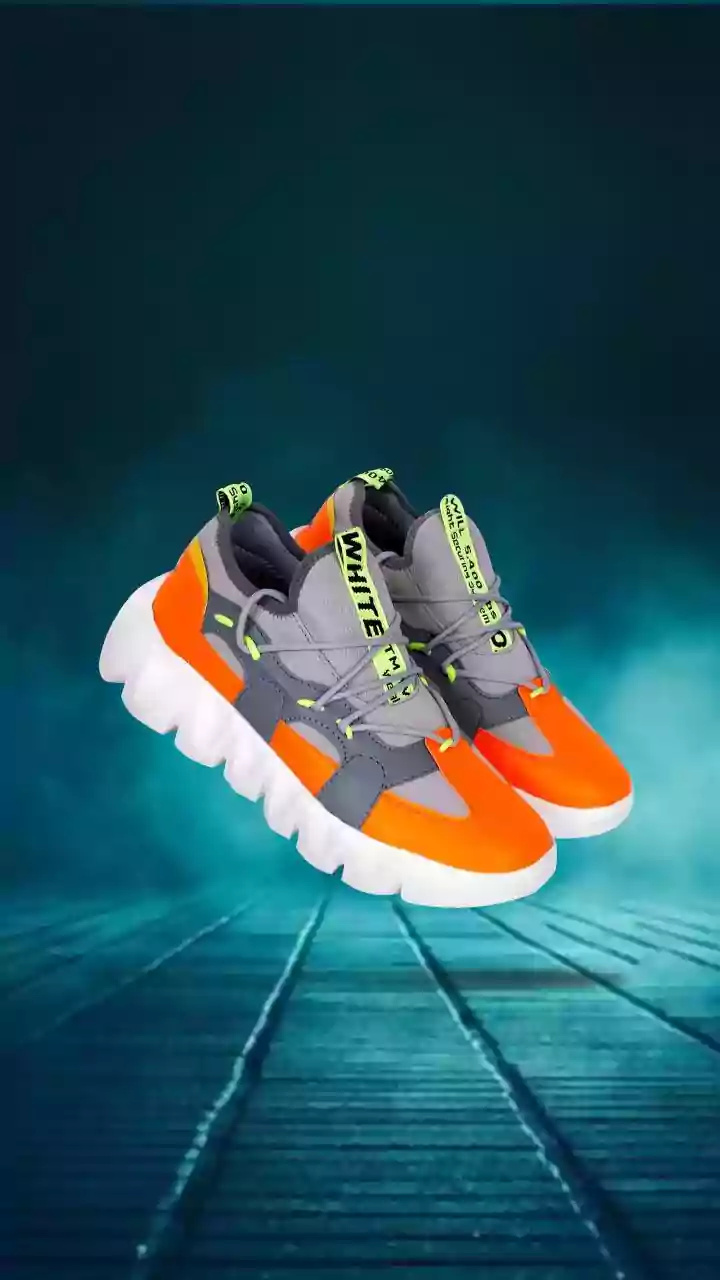
Functionality now comes in fashionable forms. Clogs, for example, have cemented their place as a monsoon staple, offering toe protection from splashes and ventilation to keep feet from getting clammy. Jelly sandals are making a major comeback, moving beyond their nostalgic roots with minimalist silhouettes suitable for everything from casual outings to the office. For a more polished look, water-resistant ankle boots and chunky-soled patent loafers provide elevation from puddles while looking sharp. And for those who prefer an open design, sporty sandals with adjustable straps and moulded footbeds offer a secure fit and excellent traction, proving that practicality can be stylish.
How to Choose Your Perfect Pair
When shopping for your 2026 monsoon footwear, keep these points in mind. First, prioritize material. Look for EVA, high-quality rubber, or shoes with a waterproof membrane if you need full coverage. Second, inspect the sole. The tread should be deep and patterned for maximum grip on wet surfaces; a flat sole is a slipping hazard. Third, consider your daily routine. If you have a long commute, lightweight and cushioned clogs or waterproof sneakers might be best. For quick errands, slip-on sandals or floaters are ideal. Finally, don't forget fit. A secure fit is crucial to prevent your foot from sliding inside the shoe, which can cause blisters and instability, especially when wet.