
For Short Hair: The Shag and The Wedge
If you prefer shorter hair, the 70s has two iconic, low-maintenance options for you. The Shag, made famous by stars like Jane Fonda and Joan Jett, is a unisex cut defined by its choppy, feathered layers that create texture and volume. It’s an effortlessly
cool look that works well for those who want a wash-and-wear style that embraces natural texture. For something a bit more structured, consider The Wedge. Created in 1974, this cut features steep, angular layers around the sides and back, forming a triangular shape that is smooth on top. It gained immense popularity after figure skater Dorothy Hamill sported it at the 1976 Olympics, making it a chic and fuss-free option for straight hair.
For Medium Hair: The Feathered Flip
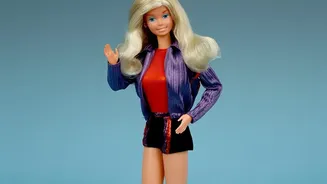
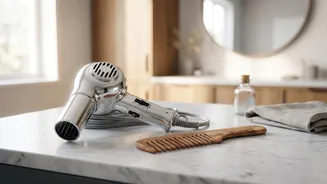
Medium-length hair was practically made for the most legendary style of the decade: the feathered look. Popularised by 'Charlie's Angels' star Farrah Fawcett, this haircut is all about creating soft, airy layers that are styled away from the face. Known as the 'Farrah Flip', this look requires layers cut around the face which are then curled outwards and brushed out to create incredible volume and movement. The result is a glamorous, face-framing style that feels both bouncy and soft. Modern interpretations keep the same voluminous spirit, often achieved with a round brush and blow dryer or hot rollers to get that signature flick. Curtain bangs are also a quintessential part of this era, often paired with feathered styles to complete the soft, parted look.
For Long Hair: Sleek and Straight or Voluminous Curls
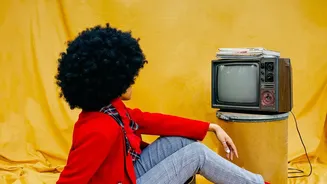
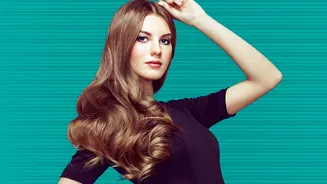
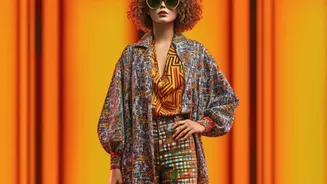
Long hair in the 70s was a canvas for two opposite but equally striking styles. On one end of the spectrum was the ultra-sleek, straight look. Icons like Cher popularised pin-straight, centre-parted hair that was all about shine and simplicity. This 'bohemian' style was sometimes achieved by ironing hair, reflecting a desire for a natural, effortless look. On the other end was the celebration of big, natural hair. The Afro became a powerful and beautiful symbol of embracing one's natural texture, moving away from chemical straightening. For those with wavy or straight hair, large, soft, and bouncy curls, often created with rollers, were also a popular way to add glamour and volume, with the curls typically starting halfway down the hair length.
Modern Twists and Accessorizing
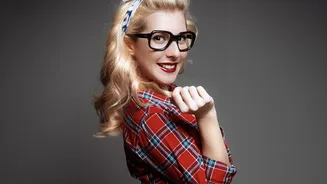
The beauty of 70s hairstyles is their adaptability. Modern versions of the shag, for instance, play with softer layers or more pronounced texture. The mullet, a style with shorter hair on top and longer hair in the back, also has its roots in the 70s and is now seeing a daring fashion comeback. Beyond the cut, accessories were key. Headscarves and bandanas were frequently used to add a pop of colour and hippie flair. Simple, low pigtails or side ponytails provided a more relaxed, bohemian option, while tiny, scattered braids offered a touch of romantic whimsy to long hair. These elements make it easy to add a subtle retro nod to your look without committing to a full haircut.