

Monsoon Prep: The Foundation for Success
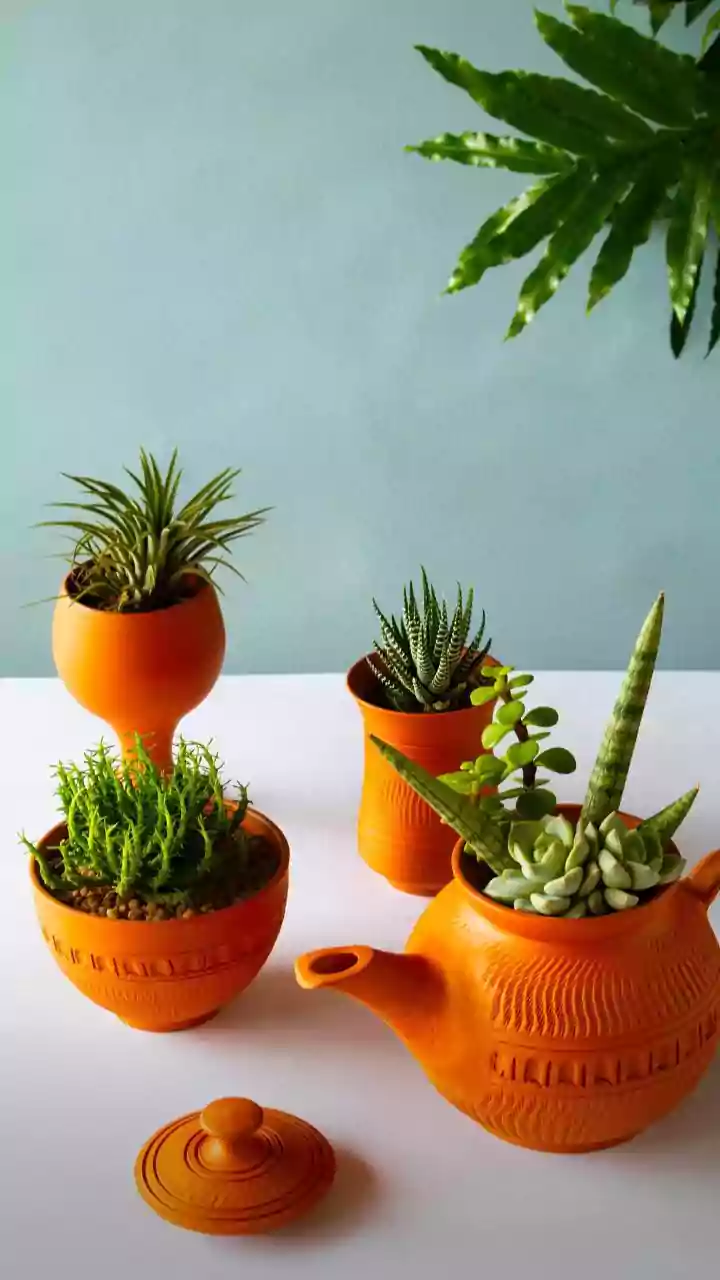
The secret to a thriving balcony garden during the rains lies in preparation. The biggest threat to your potted herbs is not a lack of water, but too much of it. Ensure every pot has multiple drainage holes to let excess water escape freely. You can even
elevate your pots on bricks or small stands to prevent them from sitting in puddles in their saucers. Use a light, well-draining soil mix. A combination of garden soil, compost, and a material like coco peat or sand improves aeration and prevents the soil from becoming a soggy mass. Good air circulation is also key, so avoid overcrowding your plants, as high humidity can encourage fungal diseases.
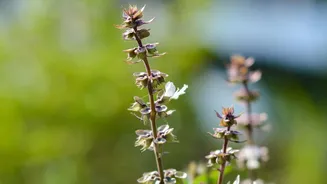
Caring for Tulsi and Basil
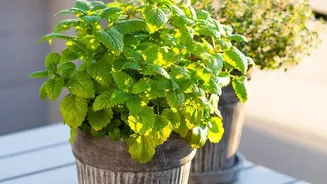
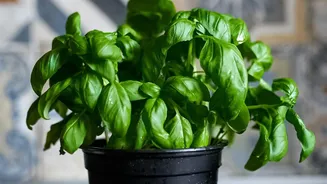
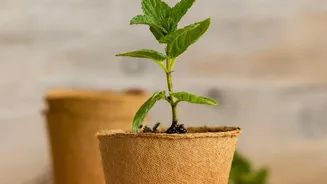
Holy Basil (Tulsi) is a resilient herb and a staple in many Indian homes. Both Tulsi and its cousin, sweet basil, love warmth but are susceptible to root rot in the monsoon. The key is to water only when the top inch of the soil feels dry to the touch. During periods of continuous rain, you may not need to water at all. If possible, move pots to a spot that receives bright, indirect light but is shielded from the heaviest downpours. Regularly pinch off the flowering heads (called 'manjiri' on Tulsi) to redirect the plant's energy into producing more fragrant leaves.
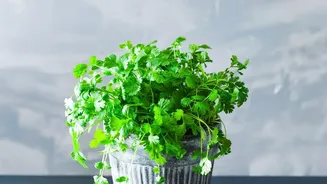
Cultivating Mint (Pudina)
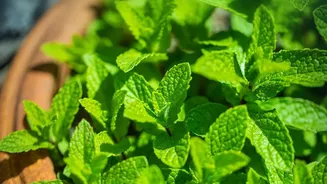
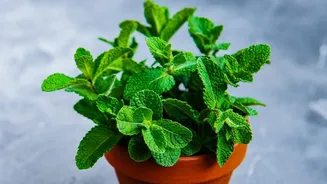
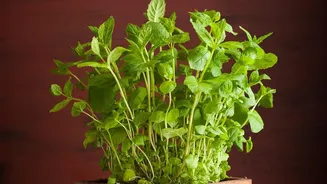
Mint is famously easy to grow and loves the moist conditions of the monsoon. In fact, it can be a bit too enthusiastic. It's best to grow mint in its own container, as its runners will quickly spread and take over any pot it shares. A wider, shallower pot is often better than a deep one to accommodate its horizontal growth. While mint enjoys moist soil, it still needs good drainage to avoid becoming waterlogged. Regular harvesting is the best way to encourage bushier growth. Simply snip the top leaves and stems as needed for your evening chai or fresh chutneys.
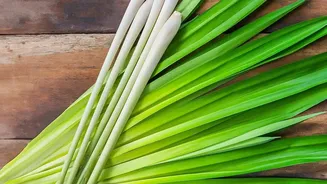
Growing Hardy Lemongrass
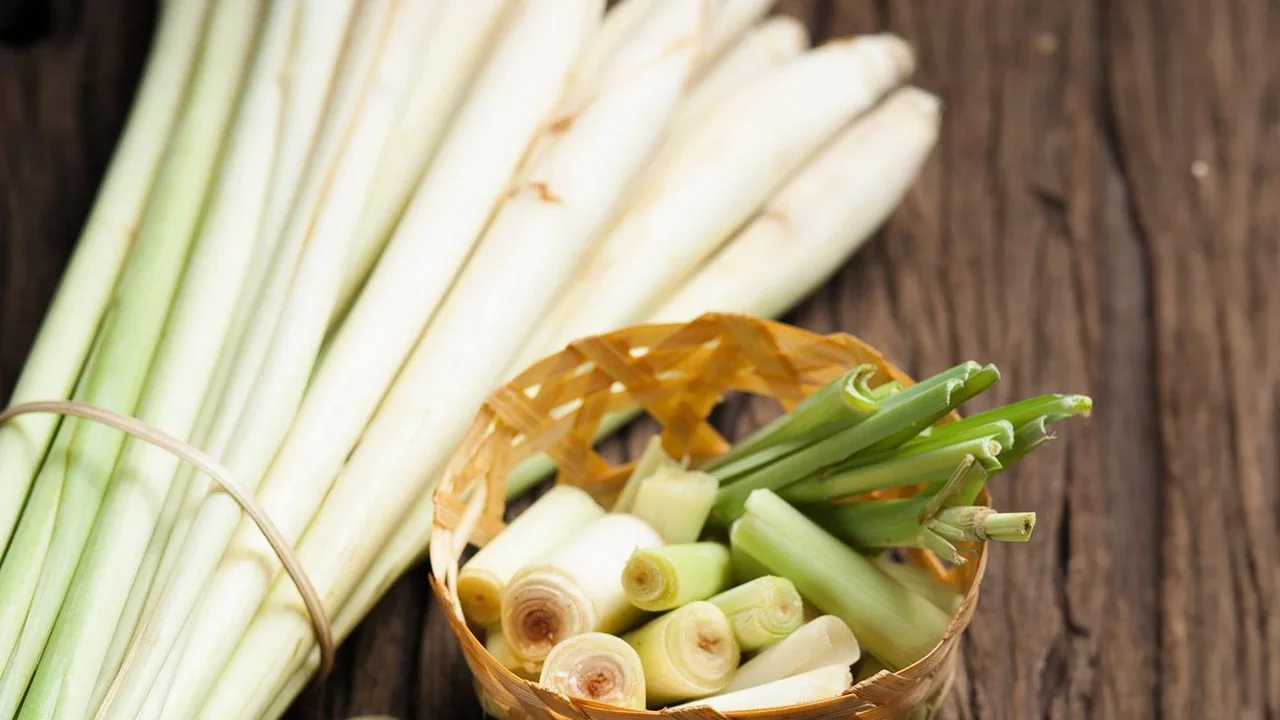
Lemongrass is a tropical grass that adores the heat, humidity, and moisture of the Indian monsoon. Its beautiful arching leaves and distinct citrusy scent make it a wonderful sensory addition to your balcony. Provide it with a large, deep pot to accommodate its clumping root system. While it thrives in moist soil, ensure the pot has excellent drainage. Lemongrass is also a natural mosquito repellent, a handy benefit during the rainy season. You can start harvesting stalks by cutting them at the base once the plant is about a foot tall and well-established.
Monsoon Pest and Disease Control
High humidity makes the monsoon a prime time for pests and fungal diseases like powdery mildew and leaf spot. Inspect your plants regularly, especially the undersides of leaves, for common pests like aphids and mealybugs. Good air circulation between pots is your first line of defense. For a natural and effective pesticide, a simple spray of neem oil mixed with water can be applied weekly. If you spot any yellowing or dead leaves, prune them immediately to prevent the spread of any potential fungal infection. Avoid fertilizing heavily during this period, as the excess nutrients can get washed away and it can stress a waterlogged plant.