





Choose Your Fabrics Wisely
The foundation of staying comfortable in high humidity is your wardrobe. Heavy fabrics like denim and thick cotton trap moisture and take a long time to dry, leaving you feeling damp and sticky. Instead, opt for lightweight, breathable materials. Cotton
remains a top choice for its softness and breathability, but look for cotton blends, which dry faster than pure cotton. [19, 23] Linen is another excellent option known for its airy feel and ability to allow air circulation. [7, 10] For days with unpredictable showers, semi-synthetic fabrics like rayon, viscose, and Tencel are fantastic choices as they drape well, feel cool against the skin, and dry quickly, preventing that heavy, damp feeling. [7, 10, 14]
Adapt Your Diet for Lighter Days
Heavy, oily, and fried foods can make you feel sluggish, a feeling that’s often amplified by the humid weather. The monsoon season calls for a lighter diet that is easy to digest. [22, 26] It's best to avoid street food, which carries a higher risk of contamination during this time. [17, 25, 26] Instead, focus on freshly prepared, warm meals. [26] Swap raw salads, which can harbor bacteria, for steamed or cooked vegetables. [6, 17] Incorporate immunity-boosting ingredients like ginger, garlic, and turmeric into your cooking. [26, 27] Instead of heavy yogurts that can increase mucus, opt for light buttermilk (chaas). [6] To stay hydrated, drink plenty of warm or room-temperature water, and enjoy herbal teas with ginger or tulsi. [6, 26, 31]
Refresh Your Skincare Routine
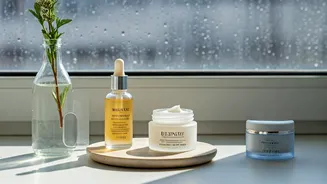
High humidity can make your skin feel greasy and lead to clogged pores and breakouts. [3, 13] Adjust your skincare routine by switching to lighter, water-based or gel-based products. [4, 9] Cleanse your face twice a day to remove excess oil and grime, but avoid over-washing, which can strip your skin of its natural oils. [3, 9] Exfoliating once or twice a week is crucial to remove dead skin cells. [3, 15] Even when it's cloudy, don't skip sunscreen; UV rays can still penetrate the clouds and damage your skin. [3, 4] Opt for lightweight, non-comedogenic makeup, or even better, allow your skin to breathe by keeping makeup minimal. [3, 4]
Keep Your Home Fresh and Dry
That musty, damp smell in homes during the monsoon is a common complaint, caused by the growth of mould and mildew in the humid environment. [8] Proper ventilation is your best defense. [12, 16] Open windows and doors on opposite sides of your home for cross-ventilation whenever it’s not raining. [5, 12] Using a dehumidifier can be a game-changer in reducing overall moisture levels in the air. [2, 5, 16] If you use an air cooler, ensure the room is well-ventilated to prevent a spike in humidity. [20] To keep closets from feeling damp, you can place moisture absorbers like silica gel packets or even open bowls of rock salt inside. [11, 18] Avoid drying clothes indoors if possible, as it adds significant moisture to the air. [8, 12]
Prioritise Hygiene and Mindful Movement
Good personal hygiene is essential during the monsoon to prevent fungal and bacterial infections. Taking a lukewarm shower twice a day can help you feel fresh and wash away sweat and grime. [13] Pay special attention to your feet, washing and drying them thoroughly as soon as you get home to prevent infections. [13] While the rain might disrupt your outdoor exercise routine, staying active is important to combat the lethargy that can accompany the season. [6, 25] Gentle indoor activities like yoga or home workouts can boost your mood and metabolism without requiring you to step out into the damp weather. [25]