





The Contenders: What Are HIIT and LISS?
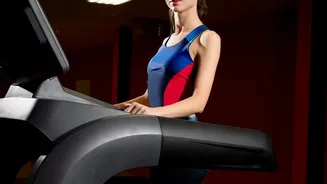
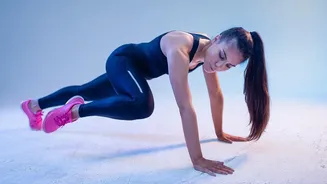
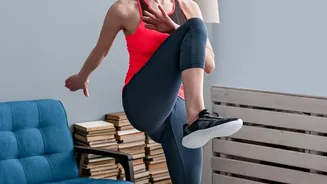
Before picking a side, it’s important to understand the players. High-Intensity Interval Training (HIIT) involves short, all-out bursts of exercise followed by brief recovery periods. Think 30 seconds of sprinting on a treadmill, followed by 60 seconds of walking,
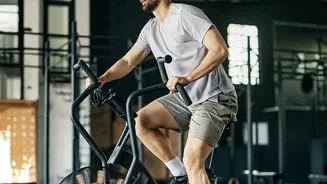
repeated for 15-20 minutes. The goal is to push your heart rate to at least 80% of its maximum capacity during the intense intervals. On the other side of the ring is Low-Intensity Steady-State (LISS) cardio. This is your traditional cardio, performed at a consistent, comfortable pace for a longer duration, usually 30-60 minutes. Examples include a brisk walk, a steady cycle, or a light jog where you can still hold a conversation. The focus is on maintaining a moderate heart rate, not pushing to your absolute limit.
The Case for HIIT: Maximum Results, Minimum Time
For the time-crunched desk worker, HIIT's biggest selling point is efficiency. A 20-minute session can deliver similar, or even superior, health benefits to a much longer LISS workout. A key benefit is the 'afterburn effect', scientifically known as Excess Post-Exercise Oxygen Consumption (EPOC). After a tough HIIT session, your metabolism stays elevated for hours, meaning you continue to burn calories long after you've stopped sweating. This type of training is excellent for improving cardiovascular health and can also help preserve lean muscle mass during weight loss, which is crucial for maintaining a healthy metabolism.
The Case for LISS: Sustainable, Safe, and Stress-Reducing
While HIIT is intense, LISS is the gentle giant of the cardio world. Its lower impact makes it much kinder on the joints, which is a significant advantage for beginners or anyone nursing an injury. Since it's less demanding on the body, recovery is quicker, allowing for more frequent sessions. For those battling the mental fatigue of a demanding job, a LISS workout like a long walk can be meditative and help reduce stress, whereas the high-intensity nature of HIIT can sometimes spike stress hormones like cortisol. LISS is also fantastic for building a solid aerobic base and endurance, teaching your body to become more efficient at using fat for fuel during exercise.
Head-to-Head: Which Is Better for a Desk Job?
So, how do they stack up on factors that matter most to someone who sits all day? Time Commitment: HIIT is the clear winner. You can get a killer workout in under 30 minutes. LISS requires a longer session, typically 45-60 minutes, to achieve similar caloric burn. Fat Loss: It's a tie, but they work differently. HIIT burns more calories per minute and has the afterburn effect. LISS burns a higher percentage of fat for fuel during the actual workout and can be done more often. Ultimately, consistency is what leads to fat loss. Injury Risk: LISS is safer. The high-impact, explosive movements in HIIT carry a greater risk of injury, especially for those new to exercise or with poor form. Sustainability: This depends on your personality. If you get bored easily, the variety of HIIT might keep you engaged. If you find intense workouts daunting, the gentler pace of LISS is something you're more likely to stick with long-term.
The Verdict: Choose HIIT, LISS, or Both?
The best workout is not HIIT or LISS—it's the one you will actually do consistently. Rather than viewing them as rivals, consider them tools for different jobs. Choose HIIT if: You are short on time, enjoy high-intensity challenges, and want to maximize calorie burn and preserve muscle. A couple of 20-minute sessions per week is a great goal. Choose LISS if: You are a beginner, recovering from injury, highly stressed, or prefer a more relaxed form of exercise. It's also great for active recovery days. The smartest approach for most people is a combination of both. You can get the intense, metabolic benefits of HIIT twice a week, and use LISS on other days for active recovery and building endurance. For example, try two HIIT sessions on Tuesdays and Thursdays, with longer LISS workouts like a brisk walk or cycle on Monday and Friday. This hybrid model provides a well-rounded fitness plan that is both effective and sustainable.