



Embrace Component Cooking
The secret to escaping the leftover trap is to stop prepping full meals. Instead, embrace “component cooking.” The idea is simple: you dedicate a short amount of time, usually on a Sunday, to preparing individual ingredients rather than complete dishes.
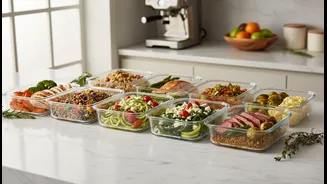
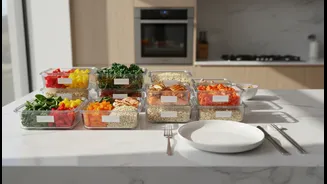
Think of it like creating your own personal salad bar or deli counter in your fridge. You cook a batch of grains, roast some vegetables, grill a protein, and whip up a sauce. Then, during the busy week, you are not reheating a finished meal, but rather assembling these fresh components into something new each night. This method offers variety and flexibility, ensuring your Tuesday dinner tastes just as fresh as it would if you cooked it from scratch.
Your Sunday Prep Blueprint
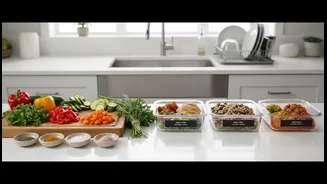
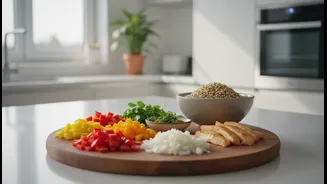
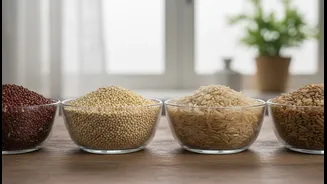
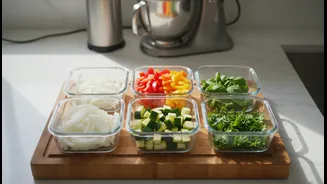
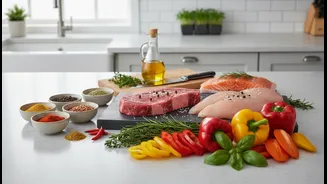
A focused 90-minute session is all you need to set yourself up for a week of success. The key is to multitask. Start with what takes the longest. Put a pot of quinoa or brown rice on the stove. While that simmers, chop a variety of vegetables like bell peppers, broccoli, and sweet potatoes, toss them in oil, and get them roasting in the oven. As those cook, prepare your protein. You could grill a few chicken breasts, brown some ground turkey, or hard-boil a half-dozen eggs. In the final few minutes, whisk together a simple vinaigrette or a flavourful peanut sauce. By working in parallel, you create a stockpile of versatile ingredients ready for the week ahead.
From Components to Delicious Meals
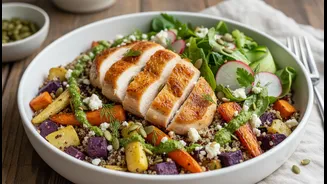
This is where the magic happens. With your prepped components, a satisfying dinner is only ten minutes away. That quinoa, roasted broccoli, and grilled chicken can become a hearty grain bowl, topped with your homemade dressing. The next night, you can wrap that same chicken and some chopped raw veggies in a tortilla for quick fajitas. Use the ground turkey and roasted vegetables in a quick pasta sauce or as the filling for lettuce wraps. A handful of pre-chopped vegetables, some cooked lentils, and a sprinkle of feta can become an instant, nourishing salad for lunch. The combinations are nearly endless, driven by your cravings rather than a rigid plan.
Smart Storage for Lasting Freshness
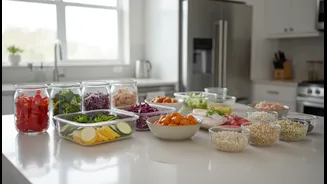
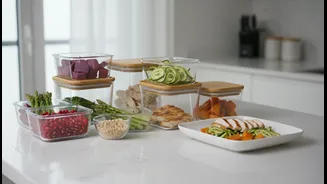
Proper storage is crucial to making this system work. The golden rule is to keep your components separate. Storing ingredients in their own airtight containers prevents them from becoming soggy and helps them retain their distinct textures and flavours. Glass containers are an excellent choice as they don't stain or retain odours. Always let cooked foods cool completely before sealing and refrigerating to avoid trapping steam and moisture. For leafy greens, placing a paper towel in the container can absorb excess moisture and keep them crisp for days. Store dressings and sauces in separate jars; only add them to your meal just before serving to maintain maximum freshness and crunch.