





Warm, Light, and Cooked Meals
According to Ayurveda, the digestive fire, or 'agni', is at its weakest during the monsoon. Heavy, raw, or cold foods can be difficult to process, leading to bloating and indigestion. This is why traditional wisdom across India pivots to warm, light,
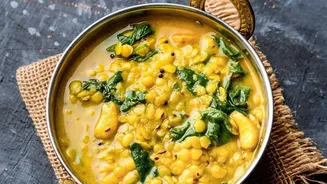
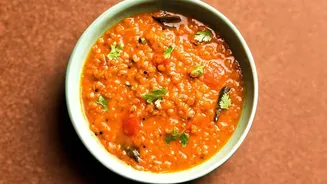
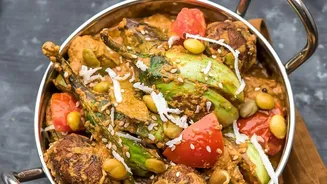
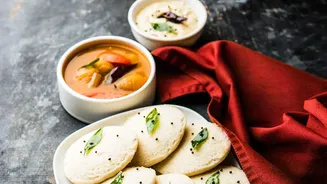
and freshly cooked meals. Think of comforting bowls of moong dal khichdi, a complete meal that is easy on the stomach. Other great options include light vegetable stews, steamed dishes like idli, and warm soups such as pepper rasam, which is not only comforting but also helps clear congestion. The emphasis is on giving your digestive system a much-needed break while still providing ample nutrition.
Embrace Seasonal Gourds and Vegetables
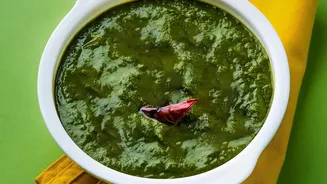
Nature is wise; the vegetables that grow abundantly during the monsoon are often the ones our bodies need most. This season offers a variety of gourds like bottle gourd (lauki), ridge gourd (turai), and bitter gourd (karela). These vegetables have high water content and are easy to digest. While leafy greens should be consumed with caution due to the risk of contamination from mud and grime, certain seasonal greens like colocasia leaves (patra or alu vadi) are a monsoon delicacy when steamed and cooked properly. Root vegetables that are harvested before the heavy rains, such as sweet potato and yam (suran), are also excellent as they provide sustained energy.
Power Up with Immunity-Boosting Spices
The Indian masala box is a treasure trove of wellness, especially during the rains. Spices like turmeric (haldi), ginger (adrak), garlic (lehsun), black pepper (kali mirch), and asafoetida (hing) are integral to monsoon cooking. Turmeric is renowned for its anti-inflammatory and antiseptic properties. Ginger and garlic are powerful fighters against colds and coughs, helping to soothe the throat and reduce inflammation. A pinch of black pepper not only adds flavour but also helps the body better absorb the benefits of turmeric. These spices do more than just flavour our food; they actively help in warding off seasonal infections.
Seasonal Fruits for Essential Vitamins
While many fruits are available year-round, focusing on seasonal ones is key. The monsoon brings with it delicious and beneficial fruits like jamun (Indian blackberry), plums, peaches, and pomegranates. Jamun, in particular, is a low-calorie fruit packed with antioxidants and vitamin C, known to be great for immunity. Pomegranates are another excellent choice for their rich vitamin content. Ayurveda suggests opting for fruits that are sweet and slightly sour, while avoiding overly watery fruits like watermelon, as they can weaken the digestive system during this season.
Return to Millets and Whole Grains
While rice is a staple, the monsoon is a great time to bring back traditional grains and millets like barley, ragi, and jowar. These grains are often lighter and easier to digest than wheat. Barley water, for instance, is a traditional drink known to cleanse the system. Millets are rich in fibre and essential nutrients, supporting gut health and providing sustained energy without feeling heavy. A simple ragi dosa or jowar roti can be a wonderful, nourishing alternative to your usual meals, aligning perfectly with the body's needs during the rainy season.
The Comfort of Herbal Teas and Broths
There is nothing quite like a warm drink on a rainy day. Instead of reaching for just milk-based tea, consider herbal infusions. A simple 'kadha' made by boiling water with tulsi leaves, ginger, black pepper, and a touch of honey can do wonders for a sore throat and building immunity. Warm soups, clear broths, and even the simple rice kanji (gruel) are deeply comforting and hydrating. These warm fluids help maintain hydration, aid digestion, and provide a much-needed sense of warmth and comfort against the damp chill of the monsoon.