









The End of the Stapler Pin?
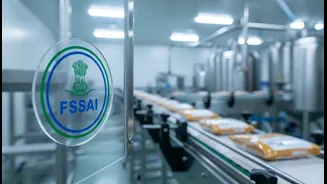
In a significant move to bolster consumer safety, the FSSAI has directed all Food Business Operators (FBOs) to immediately stop using metallic pins, including staples and wires, for packaging any food items. The directive, issued in June 2026, applies
to everyone from local bakeries and sweet shops to large restaurants and takeaway joints. The advisory covers the entire spectrum of food packaging, including parcels, cake and sweet boxes, and snack pouches. This isn't just a friendly suggestion; the regulator has warned that non-compliance will lead to penal action under the Food Safety and Standards Act, 2006.
The Hidden Dangers in Your Parcel
While it may seem like a minor issue, the use of stapler pins has been flagged as a serious food safety hazard. FSSAI noted that there have been several reported instances where consumers have found metallic pins inside food or attached to packages, creating a significant risk of accidental ingestion. Medical experts warn that swallowing a small metal pin can lead to a host of problems. These include cuts in the mouth and throat, choking hazards (especially for children), and potentially severe internal injuries to the digestive system. In some cases, a pin can get lodged in the food pipe, causing lacerations that require emergency medical intervention. There are also secondary risks, such as infections from rust or other contaminants on the pins themselves.
What the Industry Must Do
The responsibility for this change falls squarely on the shoulders of Food Business Operators. The FSSAI directive makes it clear that the industry must find safer alternatives for sealing and securing their packages. This is not the first time the regulator has focused on packaging; previous advisories have cautioned against using newspapers for wrapping food due to the risk of ink contamination. This latest move is part of a broader push to eliminate all preventable physical hazards from the food supply chain. FBOs are now required to review their entire packaging process, train staff, and remove any existing stock of metallic fastening materials to comply with the new mandate.
Smarter, Safer Packaging Solutions
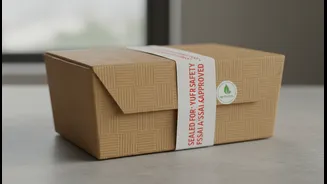
The ban on stapler pins forces a shift towards more modern and secure packaging methods. Fortunately, plenty of viable alternatives are already available. Food-grade adhesive tapes are a common and effective solution for sealing containers. Heat sealing provides a secure and tamper-evident closure for many types of pouches and packets. Other options include using interlocking box designs, paper-based seals, and other forms of tamper-proof packaging that do not involve sharp metal objects. While some businesses have noted that these alternatives might be more expensive, regulators have emphasised that consumer safety must be the priority.
Your Role as a Conscious Consumer
While the onus is on businesses to comply, consumers also have a part to play in this transition. Being vigilant is key. When you receive a food parcel, take a moment to check the packaging. If you find that a restaurant or vendor is still using stapler pins, you can bring it to their attention. Reporting non-compliance is also an option. By favouring businesses that adopt safer practices, consumers can help accelerate the shift across the industry. This small change, driven by the FSSAI's advisory, empowers you to demand better and safer standards, ensuring that the only thing you have to worry about in your food parcel is how delicious it is.