




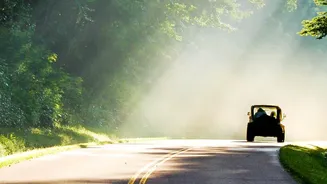
Why Agumbe in the Monsoons?
Agumbe, nestled in the Shimoga district, earns its nickname 'Cherrapunji of the South' for a reason. It receives some of the highest rainfall in the region, which feeds its dense rainforests and countless waterfalls. While some travellers prefer the dry
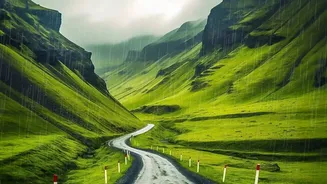
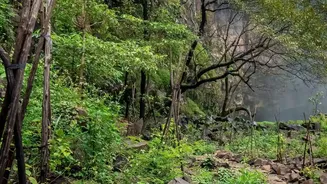
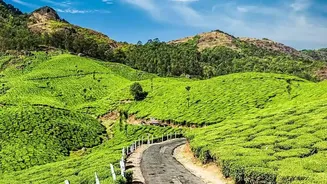
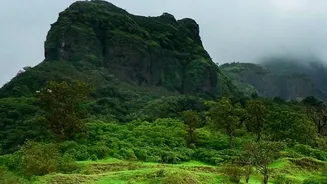
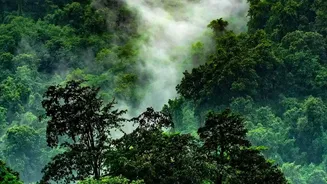
post-monsoon months from October to February, a monsoon journey offers a unique experience. The landscape erupts in intense shades of green, clouds hang low over the hills, and the air is thick with the scent of rain-washed earth. It’s an adventure for those who appreciate nature in its rawest, most dramatic form. The region is a biodiversity hotspot, famous for being a habitat for the King Cobra and many other rare species.
Choosing Your Scenic Route
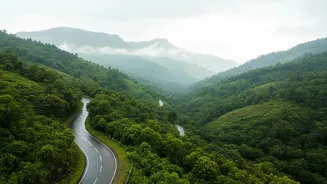
The journey of approximately 350-380 km from Bangalore can be as memorable as the destination itself. You have a couple of excellent route choices. The most common route is via Hassan: Bangalore → Hassan → Belur → Chikkamagaluru → Sringeri → Agumbe. This path takes you through NH-75 and offers smooth roads until the ghat section begins post-Thirthahalli. An alternative route goes via Shimoga: Bangalore → Tumkur → Shimoga → Thirthahalli → Agumbe. This route also boasts panoramic views, especially along the Tunga river. Both routes take roughly 7-8 hours of driving time. While the roads are generally good, the final stretch into Agumbe involves navigating narrow, winding ghat roads with sharp hairpin bends, requiring careful and patient driving, especially in the rain.
Essential Pit Stops and Sights
Breaking up the journey makes it more enjoyable. Consider a breakfast stop in Hassan, known for its good restaurants. The spiritual town of Sringeri, home to the famous Sharada Peetham and Vidyashankara Temple on the banks of the Tunga river, is a worthwhile detour. Near Shimoga, you can visit the Gajanoor dam for photo opportunities. Once in Agumbe, the Sunset View Point is a must-visit, though be prepared for it to be shrouded in mist during heavy monsoons. For waterfall enthusiasts, the region is a paradise with cascades like Onake Abbi Falls, Barkana Falls, and Jogi Gundi Falls. However, be aware that access to some waterfalls may be restricted during peak monsoons for safety reasons, so always check with local authorities. You can also visit Kundadri Hill, which has an ancient Jain temple at its peak and offers stunning views on a clear day.
Monsoon Driving and Safety Checklist
Driving in the Western Ghats during the monsoon is exhilarating but demands caution. Road conditions can be challenging, with slippery surfaces, poor visibility due to fog, and the potential for landslides. Before you start, ensure your vehicle's tyres, brakes, and wipers are in excellent condition. Drive slowly and honk at blind curves and the 14 hairpin bends of the main Agumbe ghat. Avoid driving in the ghats at night. Heavy vehicle movement is often restricted on the Agumbe Ghat (NH-169A) during monsoons to prevent blockades, which can make the drive smoother for cars but it's still crucial to stay alert. It is also wise to check for real-time weather alerts and road closures from official sources like the Karnataka State Natural Disaster Monitoring Centre (KSNDMC) before and during your trip.
What to Pack and Where to Stay
Packing correctly is key for a comfortable monsoon trip. Essential items include waterproof jackets, quick-drying clothes, and sturdy footwear with good grip. An insect repellent is necessary to guard against leeches and mosquitoes. Carry a first-aid kit, a torch, and a power bank, as power cuts can occur. Accommodation in Agumbe is primarily composed of simple homestays and basic guesthouses. The famous 'Doddamane', the house where the TV series 'Malgudi Days' was filmed, is a popular heritage homestay. It's highly recommended to book your stay in advance, especially for weekend travel, as options are limited.