
From Wardrobe to Workstation
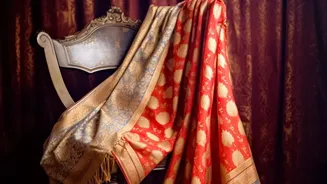
Before you start snipping, take a moment to prepare your fabric. Old sarees, especially silk or Banarasi, often hold sentimental value and require a gentle touch. First, inspect the fabric for any tears or worn-out patches. Mark these areas so you can
work around them. It's always best to wash the fabric before you begin, following a method you'd use for the final product to prevent any surprises with shrinkage later. For most cottons and some silks, a gentle hand wash and air dry is sufficient. Ironing the fabric will make measuring and cutting much more accurate. When selecting fabrics, think about combining different textures and colours. A rich silk can be paired with a simple cotton for a beautiful effect. Remember, you are not just cutting cloth; you are giving a cherished item a new story.
Project 1: The Simple Sewn Cushion Cover
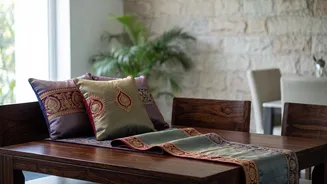
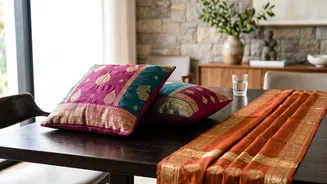
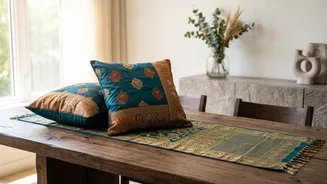
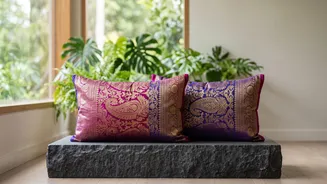
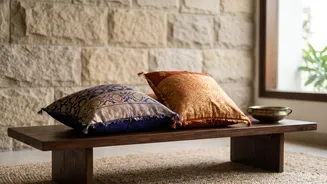
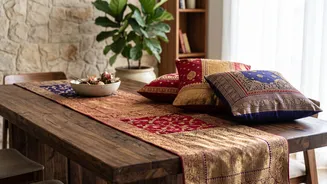
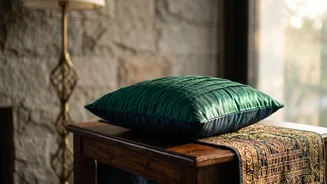
Creating cushion covers is one of the easiest ways to start your upcycling journey. The vibrant colours and rich borders of a saree can create a truly stunning statement piece. For a standard 16x16 inch cushion, you'll need two square pieces of fabric, slightly larger than your cushion to allow for seams. A good rule is to add one inch to each dimension. Place the two fabric pieces with their front sides facing each other. Sew along three of the four sides. If you’re using the border of a saree, plan your cuts so the border becomes a feature on the front of the cushion. Turn the fabric right-side out, insert your cushion, and then carefully hand-stitch the final side closed. For a more professional finish, you can sew a zipper into one side before stitching the other sides together.
Project 2: The No-Sew Table Runner
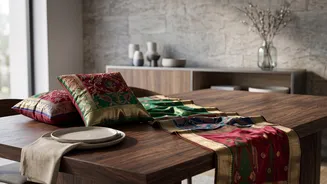
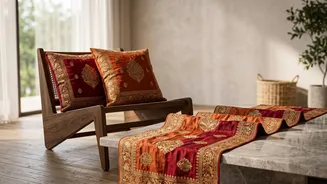
Don't know how to sew? No problem. You can create a gorgeous table runner without a single stitch. Fusible bonding web or fabric glue is your best friend here. First, measure your table and decide on the desired length and width of your runner, remembering to account for some overhang. Cut your fabric, which could be a beautiful old drape or a flowy chiffon saree, to size. For a clean, finished edge, fold the raw edges over by about an inch and press with an iron. Then, place a strip of fusible tape inside the fold and iron over it according to the product's instructions. This will create a crisp, no-sew hem. For a more rustic look, you can even create a fringe by carefully pulling out threads along the edges. The intricate 'pallu' of a silk saree makes an excellent centrepiece for a dining table.
Adding Festive Embellishments
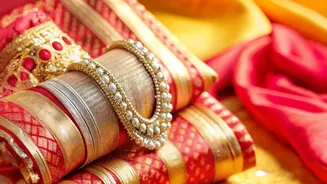
To give your creations that extra festive sparkle, think about adding embellishments. Tassels, beads, or small mirrors can be easily stitched or glued onto your cushion covers and runners. You can purchase pre-made tassels or make your own from embroidery thread. Attaching them to the corners of your cushions adds a professional and playful touch. If you have a saree with Gota Patti work, you can carefully cut out motifs and apply them to plain fabric for a touch of traditional glamour. Even simple additions like a contrasting ribbon border, attached with fabric glue, can elevate your runner from simple to stunning. These small details tie your decor together and make your handcrafted items truly unique.
Beyond Cushions and Runners
Once you've mastered cushion covers and runners, don't stop there. The possibilities for upcycling old fabrics are nearly endless. Flowy, sheer sarees can be transformed into beautiful, airy curtains that softly filter light. Smaller fabric scraps can be stitched into patchwork quilts, bags, or even unique gift wrapping. Sections of a heavily embroidered or hand-painted saree can be framed as standalone pieces of wall art. By repurposing these textiles, you are not only decorating your home on a budget but also making a sustainable choice that celebrates heritage and reduces waste. Each piece tells a story, making your home decor deeply personal and meaningful.