




Why This One Pose Is a Game-Changer
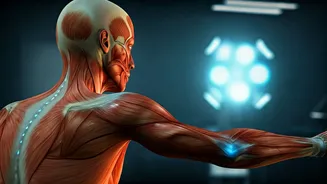
Downward-Facing Dog is a cornerstone of yoga practice for a reason. [1, 22] It's a unique hybrid, acting as both a strengthening exercise and a deep stretch. [14] While in the pose, you engage and build strength in your arms, shoulders, and core muscles.
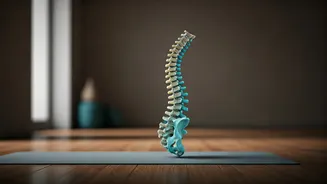
[1, 14, 15] Simultaneously, it provides a fantastic stretch for the entire back side of your body, including the hamstrings, calves, and Achilles tendons. [4, 14] This inverted V-shape also has circulatory benefits, as it places your heart above your head, which can help increase blood flow to the brain, potentially leaving you feeling energized and mentally clear. [14, 22] It also lengthens the spine, creating space between the vertebrae and helping to counteract the effects of prolonged sitting and poor posture. [10, 21]
Your Step-by-Step Guide to Proper Form
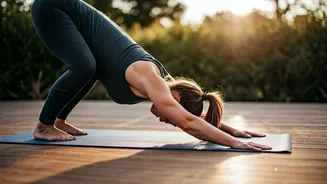
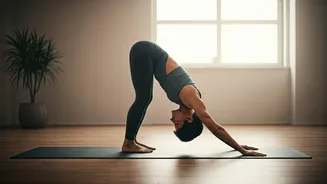
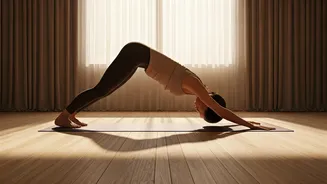
Finding the correct alignment is key to unlocking the pose's benefits and preventing strain. Start on all fours in a tabletop position, with your hands directly under your shoulders and your knees under your hips. [13] Spread your fingers wide to create a stable base, pressing firmly through your palms. [1, 7] Walk your hands a few inches forward of your shoulders. [13] On an exhale, tuck your toes, lift your knees off the floor, and send your hips up and back, forming an inverted V-shape with your body. [1, 3] Your primary goal should be to create a long, straight line from your hands to your hips. [8] To achieve this, you may need to keep a generous bend in your knees, which is perfectly fine. [5, 6] Let your head hang naturally between your upper arms, with your gaze toward your feet or navel. [8, 13]
Common Mistakes to Avoid
It's easy to fall into a few common alignment traps. One is rounding the back instead of keeping it straight; bending your knees can help fix this by allowing your pelvis to tilt forward and your spine to lengthen. [5] Another common error is letting your shoulders bunch up by your ears, which creates tension. [7] Instead, actively draw your shoulder blades wide and away from your ears. [7] Many people also place too much weight on their hands and wrists. To counter this, press firmly into the ground and actively shift your weight back toward your legs. [2] Finally, don't obsess over getting your heels to the floor. [6] Forcing them down can compromise your spinal alignment. Flexibility will come with time and consistent practice. [5, 6]
Making It Your Daily Habit
Incorporating Downward-Facing Dog into your daily routine can be simple. You don't need a full hour of yoga; just a few minutes can make a difference. Try holding the pose for 5-10 deep breaths upon waking to energize your body or before bed to release the day's tension. To make it more dynamic, you can “walk the dog” by gently bending one knee and then the other, which deepens the stretch in each calf. [3] If you have tight hamstrings, keeping your knees bent is an excellent modification. [13] For those with wrist sensitivity, placing blocks under your hands can reduce the angle and pressure. [18] You can even practice a variation against a wall by placing your hands on the wall and walking your feet back until your body forms an L-shape. [12] The key is consistency and listening to what your body needs on any given day.