

Arashiyama Bamboo Grove, Kyoto
The fantasy is a peaceful, almost mystical walk through towering green stalks of bamboo. The reality, for most of the day, is a slow, crowded shuffle through a surprisingly short path, with everyone stopping for the same selfie. The sheer number of visitors
can make it hard to feel the tranquility you came for. While still beautiful, the experience is often more about navigating crowds than nature. Many travelers find that the Instagram-famous photos create an expectation that the packed reality can't meet.For a better experience, go extremely early in the morning (before 8 a.m.) or late in the evening. Alternatively, visit the nearby Adashino Nenbutsu-ji Temple, which has its own beautiful and much quieter bamboo path. Other Kyoto temples like Kodai-ji also have smaller, more peaceful bamboo groves that deliver the serene atmosphere Arashiyama promises.
Kinkaku-ji (Golden Pavilion), Kyoto
There's no denying the breathtaking beauty of Kinkaku-ji, a three-story pavilion covered in gold leaf, perfectly reflected in its surrounding pond. It's one of Japan's most iconic images for a reason. However, many visitors find the experience itself to be quite brief and impersonal. You cannot go inside the pavilion; you simply follow a one-way path to view it from across the water, take your photo, and are then guided along with the rest of the crowd. The visit can feel rushed, especially with the heavy crowds that gather at the main viewpoint. For some, once you've seen the photo, you've essentially seen the temple.If you want a more immersive temple experience, consider Ginkaku-ji (the Silver Pavilion), which has a more expansive and tranquil garden to wander through. For a truly peaceful alternative, Enko-ji Temple in northern Kyoto offers stunning garden views without the masses.
Fushimi Inari Shrine, Kyoto
The endless tunnels of thousands of vermilion torii gates are visually stunning and deeply symbolic. As the head shrine for the deity Inari, it's a significant cultural site. However, its immense popularity means the lower, most famous sections (like the Senbon Torii) are incredibly crowded, especially between 10 a.m. and 4 p.m. Getting that iconic photo without a crowd of people in it can feel more like waiting in a queue than a spiritual journey. To avoid this, visit before 8 a.m. or after 6 p.m., as the shrine is open 24 hours. The crowds also thin out significantly the further you hike up Mount Inari. Many visitors only see the first part of the trail. For a different but equally compelling experience with a similar atmosphere, you can often find smaller, less-visited Inari shrines scattered throughout Japan.
Dotonbori, Osaka
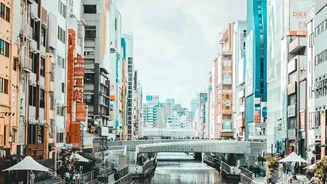
Famous for its giant neon signs like the Glico Running Man, massive mechanical crabs, and bustling nightlife, Dotonbori is Osaka's vibrant, beating heart. While it's an exciting spectacle of light and energy, many find it has become overly commercialized and catered primarily to tourists. The main strips are packed with chain restaurants and souvenir shops, and the sheer volume of people can be overwhelming.For a more authentic Osaka vibe, head to Shinsekai, an area with a retro, old-school charm centered around the Tsutenkaku Tower. For a local night out filled with tiny izakayas and incredible food, the Tenma district is a fantastic choice. And for quirky cafes and vintage shops, the quieter neighborhood of Nakazakicho provides a welcome contrast to Dotonbori's sensory overload.