






Why Your Diet Needs a Rethink
The monsoon season creates a perfect storm for health issues. High humidity can slow down our digestive system, making us feel sluggish and bloated. Simultaneously, the damp conditions are an ideal breeding ground for bacteria and viruses. Water sources
can become contaminated, increasing the risk of waterborne diseases like typhoid, cholera, and gastroenteritis. As a result, our immunity tends to take a dip, making us more susceptible to infections. A conscious shift in what we eat and drink is not just advisable; it's a crucial step to navigate the season safely and healthily.
Foods to Favour This Season
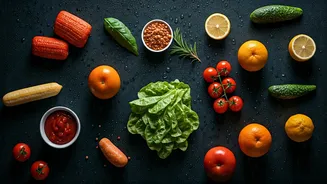
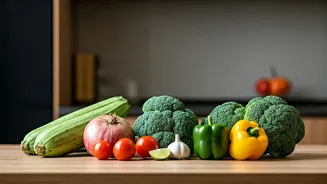
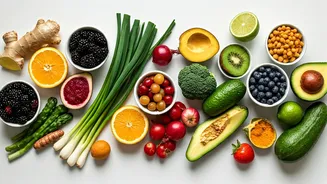
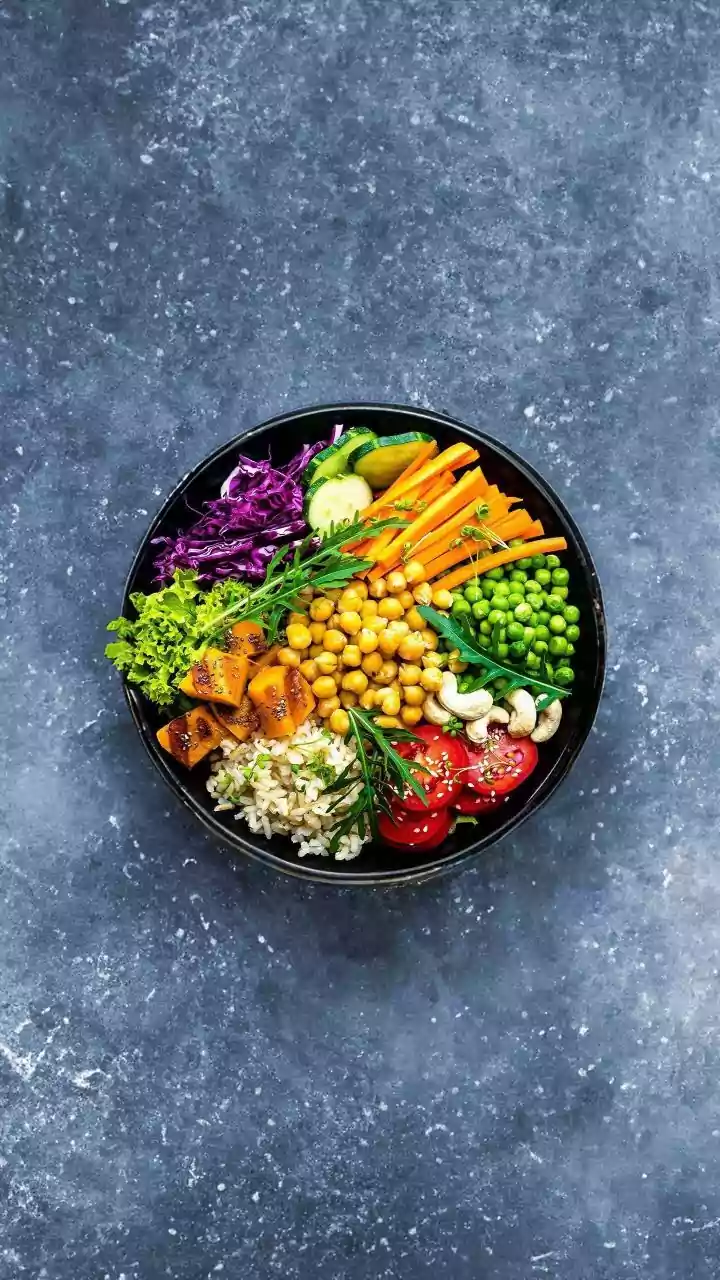
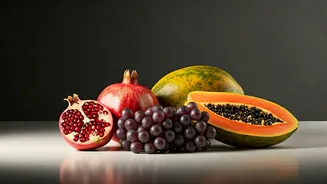
The guiding principle for a monsoon diet is to eat light, fresh, and warm meals. Opt for easily digestible foods like moong dal, khichdi, and steamed vegetables such as bottle gourd (lauki) and carrots. Warm soups are an excellent choice, as they are both soothing and nutritious. Incorporating immunity-boosting spices like turmeric, ginger, and garlic into your cooking can provide an extra layer of protection against common colds and infections. Seasonal fruits like pomegranates, apples, and pears are great options, but ensure they are washed thoroughly and peeled before eating. Probiotic-rich foods like fresh curd and buttermilk can also support gut health, which is vital for a strong immune system.
What to Strictly Avoid
Certain foods pose a higher risk during the monsoon. It's best to completely avoid street food, including popular snacks like chaat and pani puri, as the water and ingredients used may be contaminated. Deep-fried and oily foods, though tempting, are hard on a sluggish digestive system and can lead to indigestion. Raw leafy green vegetables like spinach and cabbage should also be limited or avoided, as they can harbour dirt and germs that are difficult to wash away. If you do consume them, make sure they are cooked thoroughly. Seafood is another category to be cautious with, as the monsoon is the breeding season for fish, increasing the risk of contamination.
The Golden Rules of Hydration
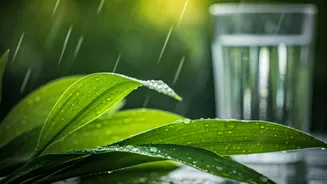
Water safety is paramount during the rainy season. Water contamination is a major source of illness, so it's essential to ensure your drinking water is safe. The most reliable method is to boil your drinking water for at least one minute to kill harmful bacteria and viruses. Using a trusted water purifier with technologies like RO or UV is also a highly effective measure. Avoid drinking water from unknown sources and be wary of ice in drinks from outside vendors, as it may be made from unpurified water. Instead of cold beverages, opt for warm drinks like herbal teas made with ginger, tulsi, or lemon, which can help boost immunity and aid digestion.
Handling Cravings and Snacking Smart
The craving for hot, crispy snacks is almost universal when it rains. While it's best to avoid street-side pakoras and samosas, you don't have to give up on your favourite monsoon treats entirely. The key is to prepare them at home where you can control the hygiene, the quality of oil, and the ingredients. Opt for shallow-frying or baking instead of deep-frying to make them lighter. Grilled corn on the cob (bhutta), a monsoon classic, is a much healthier and safer option, especially when prepared at home. For a sweet tooth, try homemade sweets instead of those from shops that may have been exposed to humidity and contamination.