



What's Behind the Price Hike?
The pinch you feel at the grocery store is due to a mix of global and local factors. India imports nearly two-thirds of its edible oil, making local prices highly sensitive to international events. Recent price hikes have been influenced by supply chain
disruptions, unpredictable weather patterns like El Niño impacting crop yields, and conflicts affecting key exporters. Furthermore, major producers like Indonesia and Malaysia are diverting more palm oil towards biodiesel production, reducing the amount available for food export and tightening global supply. While the Indian government sometimes adjusts import taxes to ease the burden, these global pressures often keep prices firm.
The Daily Pinch on Your Plate
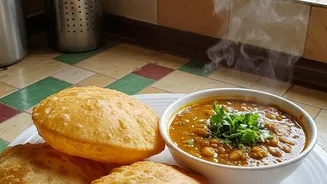
For many households, cooking oil is a non-negotiable part of daily cuisine, from the morning poha and parathas to the evening dal tadka and sabzi. Even a seemingly small increase in the price per litre quickly adds up. A rise of nearly 20% in vegetable oil prices over the last year means families are spending significantly more each month. This financial strain is especially felt during festival seasons, where celebratory foods like puris, samosas, and sweets traditionally require generous amounts of oil. The rising cost forces a difficult choice: absorb the higher expense, or find ways to cook beloved dishes differently.
Adopt Smarter Cooking Techniques
Cutting down on oil doesn't mean sacrificing flavour. Simple shifts in technique can lead to big savings. Instead of deep frying, consider alternatives like baking, grilling, steaming, or air-frying. Many snacks, from tikkis to pakoras, can be made deliciously crisp using these methods with a fraction of the oil. Another effective strategy is to partially steam or boil vegetables like potatoes, cauliflower, and bhindi before pan-frying them. This reduces the time they spend in the pan and, consequently, the amount of oil they absorb. For everyday sautéing, try using a splash of water, vegetable broth, or even curd to prevent sticking, a technique that softens ingredients effectively without excess oil.
Measure, Don't Pour
One of the most common ways we use more oil than needed is by pouring it directly from the bottle into the pan. This habit makes it difficult to control the quantity. A simple but powerful change is to start using measuring spoons. You might be surprised to find that a single tablespoon is often enough for a tadka or to sauté vegetables for a family meal. Using an oil spray bottle or a silicone brush can also help create a thin, even coat on pans for making dosas or chillas, drastically reducing consumption compared to free-pouring.
Make Your Cookware Work for You
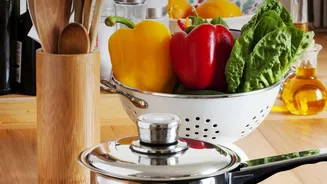
The right utensils can be your best ally in reducing oil consumption. Good quality non-stick pans, cast-iron skillets, and ceramic-coated cookware require significantly less oil to prevent food from sticking. This simple switch can help you cut down on daily oil usage without any extra effort. Using wide, flat-bottomed pans instead of a deep kadhai can also help. A wider surface area allows for more even heat distribution, helping vegetables and masalas to cook and caramelise faster with less oil.