



The Renter's Dilemma
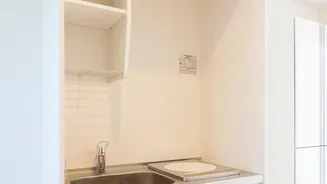
Urban renting comes with a familiar set of rules: no drilling holes, no painting walls, and no major alterations. These limitations can make it challenging to infuse personality into your living space, leaving you feeling like a temporary guest rather
than a resident. The fear of investing in bulky, expensive furniture that might not fit your next apartment is also very real. For many, this leads to a cycle of making do with temporary fixes, never truly creating a space that feels like home. This is especially true in compact city apartments where every square foot counts and ill-fitting furniture can make a room feel cramped and impersonal. The challenge is clear: how do you create a beautiful, functional home that reflects your taste while respecting your rental agreement and planning for a future move?
What Exactly Is Modular Furniture?
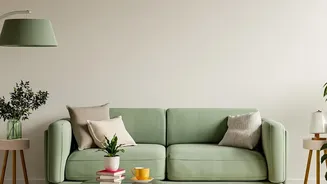
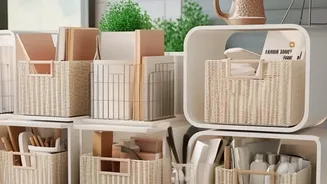
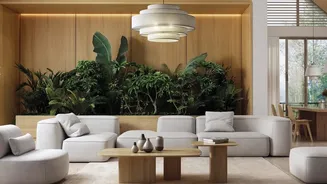
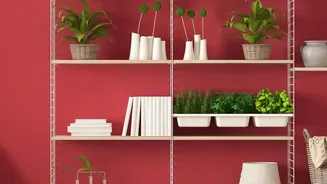
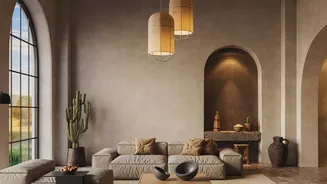
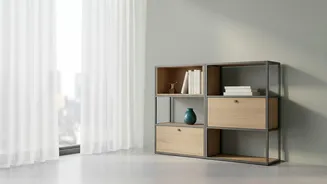
Think of modular furniture as the ultimate set of building blocks for your home. Unlike traditional furniture, which comes in a single, fixed form, modular pieces consist of individual sections, or 'modules', that can be arranged and rearranged in various configurations. A modular sofa, for example, can be taken apart and reassembled as an L-shaped sectional, a long couch with a separate ottoman, or even individual seats. This category also includes expandable shelving units, interlocking storage cubes, and beds that can be easily disassembled. The core principle is adaptability, giving you the power to customize your furniture to fit your current space and evolving needs perfectly.
Flexibility For A Life in Motion
One of the biggest advantages for renters is portability. Moving a traditional three-seater sofa up a narrow staircase or through a tight doorway is a common urban struggle. Modular furniture solves this by breaking down into smaller, lighter, and more manageable pieces. This not only makes moving day less stressful but also reduces the risk of damaging your furniture or the property. Furthermore, the layout that worked in your old 1BHK might not work in your new one. With modular pieces, you're not stuck. You can reconfigure your seating or storage to fit a new room's dimensions and quirks, ensuring your investment continues to serve you well, no matter where you live. This adaptability gives you a sense of control and stability in the often-unpredictable world of renting.
Style and Substance, Sans Renovation
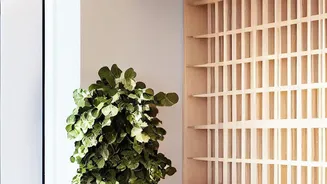
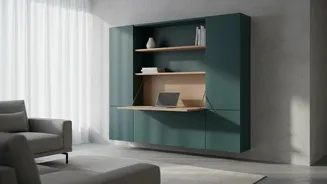
Modular furniture empowers you to achieve a high-end, customized look without making any permanent changes to the property. You can use a modular shelving unit as a room divider in a studio apartment, creating distinct zones for living and sleeping without building a wall. These pieces come in a vast range of styles, from minimalist Japandi to plush and modern, allowing you to curate an aesthetic that is entirely your own. You can also make your space work harder. Many modular designs incorporate clever functions, such as sofa sections that convert into beds for guests or ottomans with hidden storage compartments, helping you maximize utility in smaller Indian apartments.
A Smart Financial Choice
While some high-end modular systems can have a higher initial cost, they often prove more cost-effective in the long run. Instead of buying a new sofa or shelving unit every time you move, you adapt what you already own. You can also start small and expand your collection over time. For instance, you might begin with a two-seater modular sofa and add another section or a chaise lounge later when your space or budget allows. This 'grow-as-you-go' approach is perfect for young professionals and families. It prevents the wasteful cycle of buying and discarding furniture, making it a more sustainable and budget-friendly way to furnish your home.
Choosing the Right Modular Pieces
Before you buy, measure your space carefully, including doorways, elevators, and stairwells. Prioritize quality and durability; look for sturdy frames and hard-wearing, easy-to-clean fabrics like performance polyester or microfiber, which are essential for rental living. Opt for timeless, neutral styles that can easily adapt to different decor schemes in future homes. Finally, check for ease of assembly. Many modern modular pieces are designed for tool-free assembly, which is a significant bonus for anyone who isn’t a DIY expert.