







The Myth of 24/7 Togetherness
Picture the ideal romantic getaway. It probably involves shared sunsets, candlelit dinners, and exploring new streets hand-in-hand. While these moments are precious, the pressure to share every single second can be exhausting. When one partner wants to visit
a history museum and the other wants to relax on the beach, compromise can sometimes feel like a lose-lose situation. This constant need to align interests can lead to resentment and the feeling of missing out. The truth is, even the closest couples are two separate individuals with unique passions. Forcing constant togetherness can paradoxically create distance by preventing each person from truly recharging in the way they need to.
The Power of Parallel Play
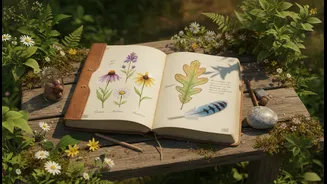
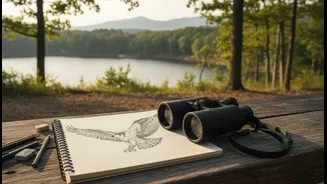
There's a concept from developmental psychology called 'parallel play', where toddlers play contentedly alongside each other without directly interacting. Adults are rediscovering this as a powerful tool for relationships. It’s the art of being 'alone, together'. Think of reading separate books in the same room or, as the headline suggests, one person birdwatching from the balcony while the other sketches the view. This practice fosters a sense of comfort and security in each other's presence without the pressure to perform or entertain. It balances intimacy with independence, allowing each person to engage in their own interests while still feeling connected. This approach reduces relationship burnout and reinforces that you are individuals who choose to be a couple.
Beyond Birdwatching: Finding Your Flow
Birdwatching and sketching are beautiful examples, but the possibilities are endless. It's about finding an activity that lets you enter a state of 'flow', where you're happily absorbed. This could be anything from a solo morning jog to explore the neighbourhood, visiting a niche gallery that only you would appreciate, or spending an hour at a local market just taking photographs. It might be listening to a podcast on the beach, trying a new coffee shop alone with a journal, or even a solo fishing trip. The key is that the activity is something you genuinely enjoy for yourself. Pursuing these separate interests allows you to retain your sense of identity and individuality within the marriage or partnership.
Making 'Apart Time' Work on Vacation
Successfully incorporating solo time into a shared trip requires communication and trust. It's not about making a dramatic exit; it's about planning. Before you even leave, talk about the idea. Frame it as a way for you both to have the best possible trip. You might decide to set aside a few hours each afternoon for individual pursuits. For example: 'You go enjoy the car museum on Tuesday morning, and I'll go to that pottery class. Let's meet for lunch at 2 p.m. to talk about it.' By scheduling this time, you remove any ambiguity or hurt feelings. It shows that you trust each other and respect your partner's need for personal space and their individual passions.
The Joyful Reunion
One of the greatest benefits of spending a few hours apart is the energy and excitement you bring back when you reunite. Instead of having identical, overlapping experiences to discuss, you have new stories to share. You can show your partner the sketch you made, tell them about the rare bird you spotted, or describe the interesting conversation you had at the café. This infusion of new information and enthusiasm can make your shared time, like dinner, more vibrant and engaging. It keeps the spark alive. Absence, even for just a few hours, truly can make the heart grow fonder, allowing you to appreciate your partner and your time together even more.