






First, What Exactly is Kunafa?
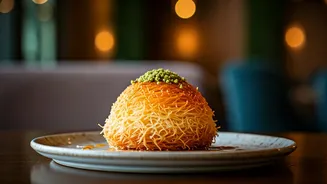
For the uninitiated, Kunafa (also spelled Knafeh or Kanafeh) is a study in delightful contrasts. At its heart, it’s a traditional Middle Eastern dessert made with a layer of stretchy, unsalted cheese—typically Akkawi or Nabulsi—sandwiched between two
layers of shredded phyllo dough called kataifi. This pastry is baked until golden and crisp, then drenched in a fragrant sugar syrup, often infused with rose or orange blossom water. A generous sprinkle of crushed pistachios on top adds a final layer of texture and flavour. The result is a warm, sweet, savoury, crispy, and gooey experience all in one bite. It’s this multi-sensory appeal that forms the foundation of its widespread charm.
A Dessert with Deep Roots
While it feels like a modern obsession, Kunafa’s history is ancient and layered. Its exact origins are debated, with culinary historians tracing it back to the medieval Arab world, with claims from Palestine, Egypt, and the wider Levant region. Nablus, a city in Palestine, is particularly famous for its Knafeh Nabulsiyyeh, distinguished by its vibrant orange colour, achieved by adding food colouring to the pastry dough. For centuries, it has been a dessert for celebrations, a Ramadan staple, and a comforting treat shared among family and friends. Its arrival in India isn't new—specialty restaurants have served it for years—but its recent explosion from a niche offering into a mainstream star is a story in itself.
The Great Indian Makeover
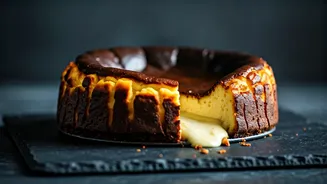
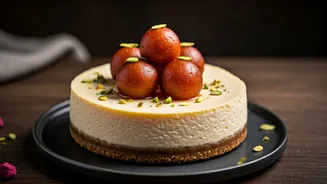
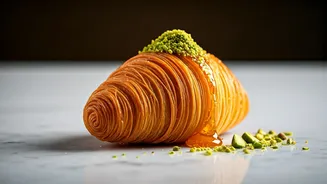
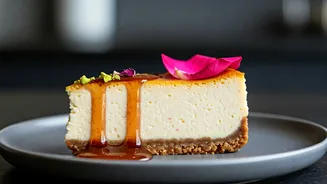
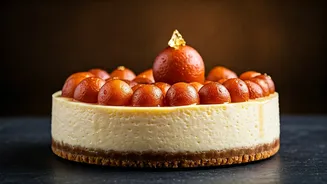
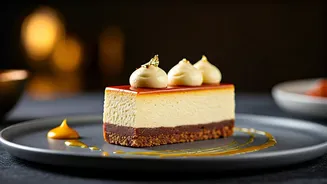
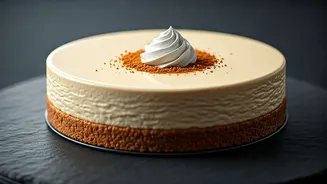
The “Kunafa Everything” trend is driven by incredible culinary creativity. Indian chefs and café owners are not just replicating the classic; they are deconstructing and reimagining it. The most common adaptation involves swapping traditional cheeses for more accessible options like mozzarella, which provides the coveted “cheese pull” that’s practically made for Instagram. But the innovation doesn't stop there. We’re seeing Kunafa baked into cheesecakes, where the crispy pastry forms the crust. There are Kunafa “nests” used as a topping for creamy puddings, Kunafa-stuffed croissants, and even savoury versions. In cities like Mumbai and Bengaluru, dessert bars have introduced Kunafa cones and bowls, where the pastry is shaped and filled with ice cream, Nutella, or Lotus Biscoff spread, transforming the classic into a modern, portable delight.
Why Now? The Perfect Storm of Popularity
So, why has Kunafa captured the imagination of the Indian market right now? It's a combination of factors. First, the visual appeal is undeniable. In the age of social media, a dish that looks as good as it tastes has a massive advantage. The golden crust, the vibrant green pistachios, and especially the dramatic, stringy cheese pull are endlessly photogenic and shareable. Second, the Indian palate is becoming more adventurous, with a growing appetite for global flavours beyond the usual suspects. Kunafa offers a novel texture and a sweet-savoury profile that is both exciting and surprisingly comforting. Finally, it represents an accessible luxury. It feels exotic and special but is being offered at price points that make it an attainable indulgence for the young, urban crowd driving café culture.