







The dream of an Arctic adventure—gazing at the Northern Lights or riding a husky sled through pristine snow—is a powerful lure. But the reality of staying warm in extreme cold involves more than just a good coat. It requires a logistical plan.
Why Your Everyday Winter Coat Is Not Enough
A common
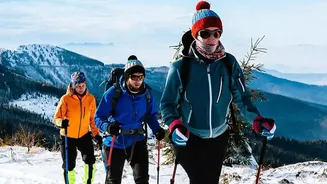
mistake for travelers heading to popular northern destinations like Lapland or Tromsø is underestimating the cold. Winter temperatures can plummet far below freezing, and when you factor in wind chill during activities like snowmobiling, the 'feels like' temperature can be dangerously low. Standard city winter jackets are simply not built for prolonged exposure to these Arctic conditions. True cold-weather protection relies on a layering system. This typically includes a moisture-wicking base layer (preferably merino wool), an insulating mid-layer like fleece or down, and a windproof, waterproof outer shell. This system is designed to trap heat while allowing sweat to escape, keeping you both warm and dry—a critical combination for safety and comfort.
The Buy vs. Rent Dilemma
Once you accept the need for specialized gear, the next question is whether to buy or rent. Purchasing a full set of Arctic-quality clothing—including an expedition-grade parka, insulated trousers, thermal boots, and accessories—can be a significant investment, often running into many thousands of rupees. A high-end parka alone can cost upwards of ₹30,000 to ₹50,000 or more. This may be justifiable for frequent cold-weather adventurers, but for a one-time trip, it's a major expense. Renting offers a far more cost-effective alternative. Many tour operators and specialized local companies in destinations like Rovaniemi, Levi, and Ylläs offer complete winter clothing sets. A full set, including an outer suit, boots, and mittens, can be rented for a fraction of the purchase price, with weekly rates often around €99 (approximately ₹9,000).
Navigating the Packing and Baggage Nightmare
If you do decide to buy your gear, be prepared for a logistical challenge at the airport. Heavy winter clothing is incredibly bulky and can quickly push your luggage over airline weight limits, which typically hover around 23 kg per checked bag. A single pair of insulated winter boots and a heavy parka can consume a significant portion of that allowance. Exceeding the weight limit often results in steep overweight baggage fees. Even if you stay within the weight limit, the sheer volume of the gear can be a problem, forcing you to check an extra bag. Using compression sacks can help save space, but the weight remains a primary concern. This logistical headache is a key reason many seasoned travelers opt for local rentals.
The Convenience of On-Site Rentals
The tourism industry in these northern hotspots is well-aware of the gear challenge and has responded with robust rental infrastructure. Companies like Winterent have locations in major Finnish Lapland hubs such as Rovaniemi and Levi, and even in travel gateways like Helsinki, allowing you to pick up gear upon arrival. Many offer online booking where you provide your measurements in advance, ensuring your kit is ready and waiting for you. Furthermore, most organised tours, such as husky sledding or snowmobiling, include the necessary outer thermal overalls and boots in their price. This is a crucial point to check when booking. For independent travelers, reserving rental gear in advance is highly recommended, especially during peak season, to guarantee availability and the correct sizes.
Essential Layers You Still Need to Pack
Even if you plan to rent your heavy outerwear, you are still responsible for your own base and mid-layers. These are just as crucial for staying warm. Your packing list should include several pairs of high-quality wool socks, as layering socks is recommended and having a dry pair is essential. You'll also need thermal underwear—both a long-sleeved top and leggings—made from merino wool or a high-performance synthetic fabric that wicks moisture. Avoid cotton at all costs, as it absorbs sweat and will make you colder. Finally, don't forget accessories. A warm hat or beanie that covers your ears, a balaclava or neck gaiter, and warm mittens (which are superior to gloves for keeping fingers warm) are non-negotiable items to bring from home.