




More Than Just a Meal
For astronauts confined to a small capsule hundreds of kilometres above Earth, food takes on an outsized psychological importance. A good, familiar meal can be a significant morale booster, a comforting link to home in an isolated and high-stress environment.
The quality and variety of food are directly linked to the psychological well-being and behavioural outcomes of the crew. Repetitive menus can lead to 'menu fatigue', a condition where astronauts lose their appetite, potentially causing weight loss, nutritional deficiencies, and a dip in performance. Recognising this, space agencies globally invest heavily in making space food not just nutritious but also enjoyable. For the Gaganyaan mission, ensuring the crew has a taste of home is a priority.
The Challenge of Taste and Smell
One of the most common complaints from astronauts is that food tastes bland in space. This isn't because the food itself lacks flavour. The phenomenon is primarily due to microgravity. On Earth, gravity pulls our bodily fluids downward. In space, these fluids shift upwards, causing a feeling similar to a head cold or blocked sinuses. This nasal congestion dulls the sense of smell, which is a crucial component of how we perceive flavour. To counteract this, space food is often heavily seasoned with spices. The Defence Food Research Laboratory (DFRL) in Mysuru, which is developing the menu for Gaganyaan, has kept this in mind, preparing mildly spicy meals with options for extra spice sachets to suit individual palates.
Why Texture and Form Matter
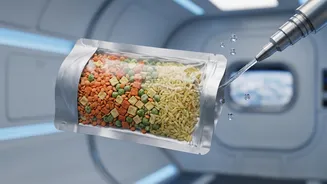
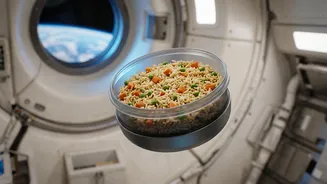
In a zero-gravity environment, the physical form of food is a major safety consideration. Crumbs don't fall to the floor; they float. These free-floating particles can pose a serious risk if they are inhaled by astronauts or contaminate sensitive equipment. This is why bread is typically replaced with tortillas on the International Space Station (ISS), as they produce fewer crumbs. For Gaganyaan, food is being developed in forms that are easy to consume with low fragmentation, such as semi-solid pastes and ready-to-eat dehydrated meals that can be reconstituted with water. Liquids also pose a challenge, as they can float away if spilled. DFRL has developed special containers and straws for drinking water and juices to prevent this.
Nutrition for Peak Performance
An astronaut's diet must be precisely calibrated to counteract the physiological toll of spaceflight. Living in microgravity leads to bone density loss and muscle atrophy. A carefully managed diet, rich in specific nutrients like calcium and Vitamin D, combined with daily exercise, is essential to mitigate these effects. Astronauts need to consume between 1,900 and 3,200 calories per day depending on their body mass and activity levels. The meals for Gaganyaan, developed by both DFRL and the National Institute of Nutrition (NIN), are nutrient-dense and designed to be easy to digest. The menu will be rich in proteins, vitamins, and minerals while being low in salt and fat to maintain crew health.
The Gaganyaan Menu: A Taste of India
The menu curated by DFRL offers a comforting taste of home for the Indian astronauts. It includes a variety of familiar dishes from across the country, ensuring that the crew has plenty of choices. The prospective menu features items like Vegetable Biryani, Chicken Katti Rolls, Moong Dal Halwa, preserved chapatis, and classics like Idli Sambar and Upma. These ready-to-eat meals undergo extensive testing to ensure they have a long shelf life and remain safe and palatable. While an extensive menu has been developed, only a few items like Gajar Ka Halwa and Aamras have so far been space-certified in preliminary flights, highlighting the rigorous process involved in ensuring food is ready for the final mission.