


Establish a Unifying Theme
Before you choose a single dish, think about the big picture. A unifying theme can act as the thread that ties everything together. This doesn't have to be rigid, but it provides a guiding principle. You could centre your menu around a seasonal star ingredient,
like mangoes in the summer or fresh greens in the winter. Another approach is to choose a dominant flavour profile. For example, you might decide on a menu that leans into tangy and sour notes, which allows you to bring together dishes like a tamarind-based rasam from the South with a zesty chaat from the North. Even a cooking method, like focusing on tandoori or slow-cooked dishes, can create a sense of cohesion across different regional specialties. This central idea prevents the menu from becoming a random assortment and makes your selections feel intentional and thoughtful.
An Appetiser Medley of Contrasts
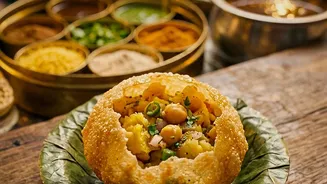
Starters are your first opportunity to delight your guests with variety. The key is contrast in both flavour and texture. Instead of serving three different types of fried snacks, aim for a balanced platter. A good rule of thumb is to pick one crispy item, one soft or creamy item, and one tangy or spicy item. For instance, you could pair the crispiness of Gujarati Fafda or Maharashtrian Kothimbir Vadi with the soft, steamed texture of a South Indian idli or a Bihari Pitha. To complete the trio, add a tangy element like North Indian Papdi Chaat. This approach ensures that every bite is a new experience, waking up the palate without overwhelming it before the main course arrives. Don't forget the chutneys—a cooling mint-coriander chutney and a sweet-sour tamarind chutney can bridge the flavours of all three appetisers beautifully.
Achieve Balance in the Main Course
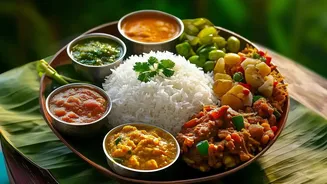
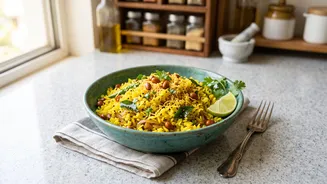
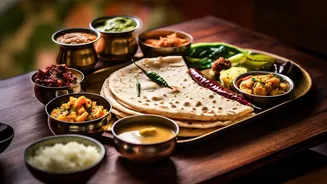
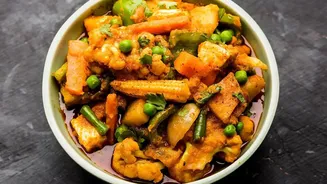
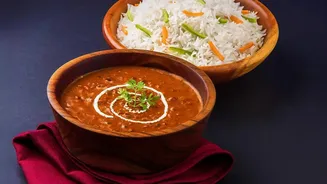
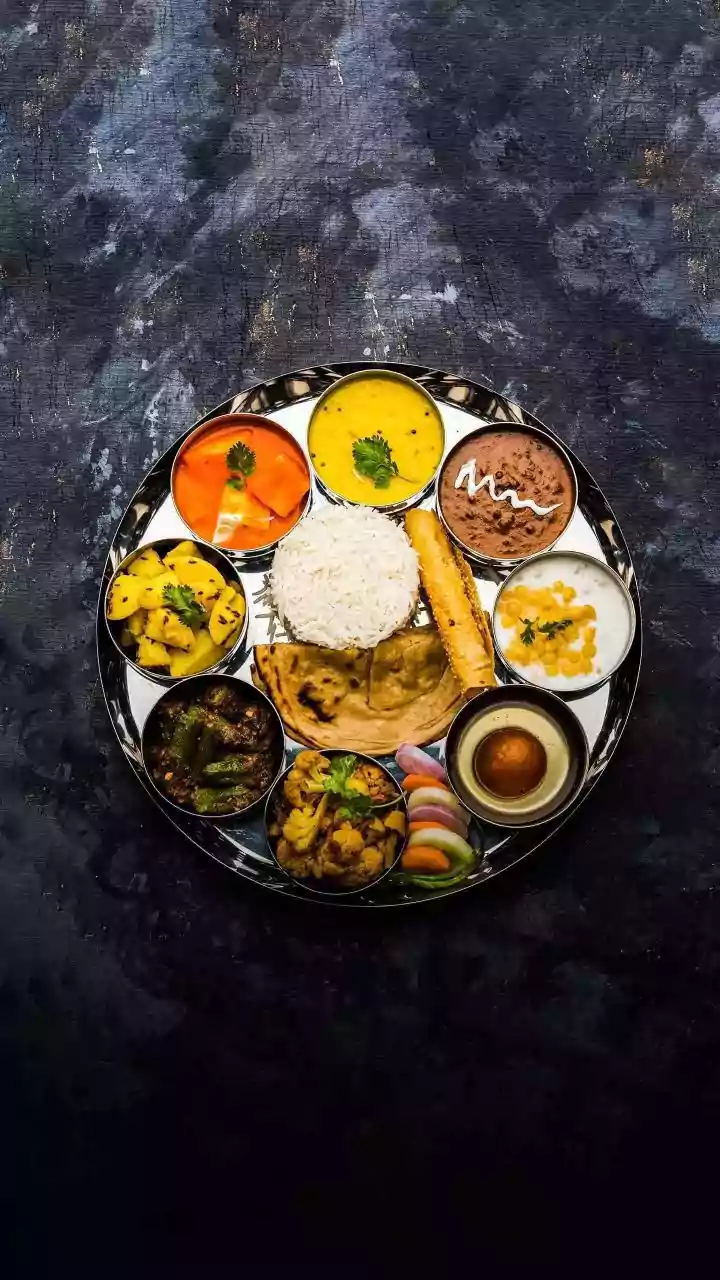
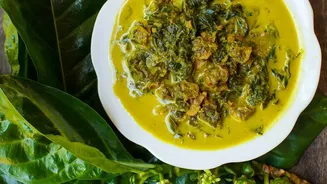
The main course is the heart of your feast, and balance is crucial. Avoid pairing multiple heavy, cream-based curries together. Instead, use the principle of pairing a 'wet' dish with a 'dry' one. For example, if your star main is a rich and decadent Paneer Butter Masala from the North, complement it with a lighter, 'dry' vegetable preparation like a Beans Poriyal (stir-fry with coconut) from Tamil Nadu. Similarly, a hearty Lamb Rogan Josh from Kashmir can be beautifully balanced with a simple, soupy Bengali Masoor Dal. This ensures your menu has variety in texture and richness. Also, consider your grains. Instead of just plain rice, you could offer a fragrant Jeera Rice and a selection of breads, like soft naans and flaky Malabar parottas, to complement the different gravies on offer.
A Symphony of Sweets
Dessert is the final flourish, and here too, variety is key. A well-rounded Indian dessert platter should cater to different tastes. Try to include one milk-based sweet, one grain or lentil-based sweet, and perhaps something light to finish. For example, the creamy, delicate taste of Bengali Rosogolla or Mishti Doi offers a wonderful contrast to a rich, ghee-laden Moong Dal Halwa from Rajasthan. To cleanse the palate, you could add a fruit-based dessert like a simple fruit salad with a hint of cardamom or saffron. This combination of creamy, rich, and fresh ensures there is a perfect final note for every guest at your table. Offering smaller portions of each allows everyone to sample the full range without feeling overly full.
Putting It All Together
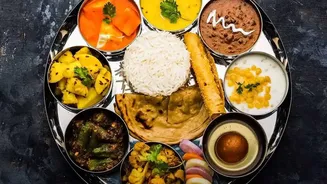
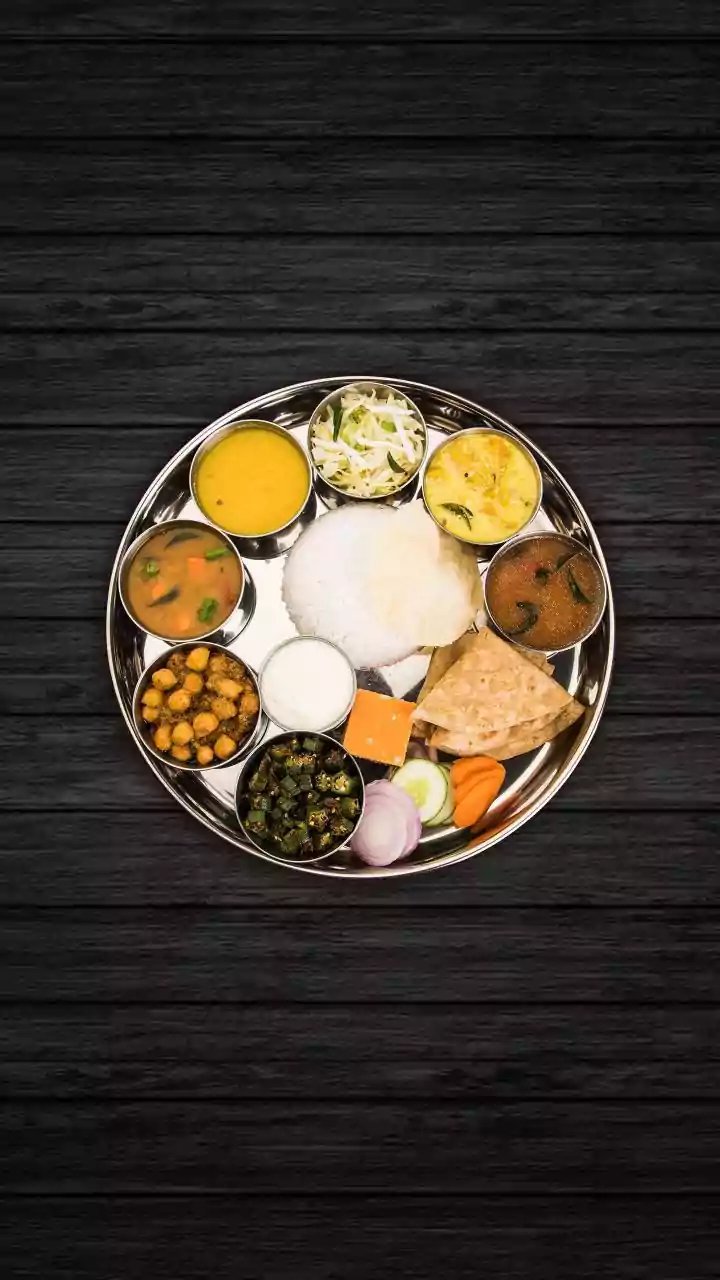
Once you have your selections, do a final review of the entire menu. Think about the colours, temperatures, and overall flow. Is there a mix of vibrant and earthy tones on the plate? Do you have a balance of hot and room-temperature dishes? A cooling raita, a fresh kachumber salad, and some crunchy papadums are simple additions that can elevate the entire meal by adding freshness and textural contrast. Planning a menu like this is not about following rigid rules but about creating a balanced and joyful experience. The goal is to guide your guests on a culinary journey across India, where every dish has its moment to shine while also contributing to a harmonious whole.