



A Journey to the Top of the World
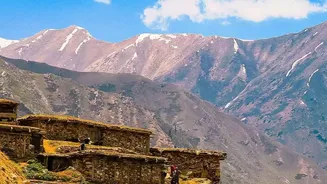
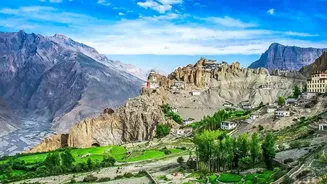
Forget the bustling hill stations. A growing number of travellers are seeking experiences that are more profound and less packaged. They are venturing into the cold, arid landscapes of Spiti Valley, a region where the altitude averages over 12,500 feet.
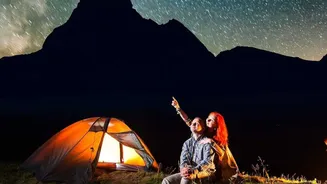
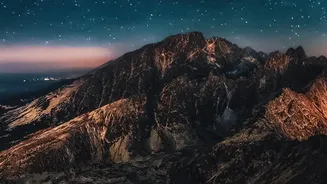
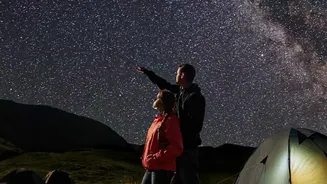
Here, the goal isn't just to see the mountains, but to see the heavens. This trend, known as astrotourism, is driven by a desire for disconnection from urban chaos and a reconnection with the natural world. The destination offers a rare commodity in the modern world: true, unpolluted darkness, where the night sky reveals its full glory. This shift reflects a broader change in travel preferences, prioritising authentic, sustainable, and awe-inspiring experiences over conventional sightseeing.
Spiti's Recipe for a Perfect Night Sky
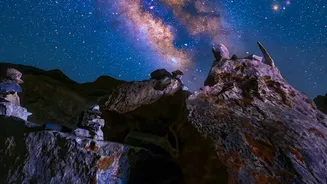
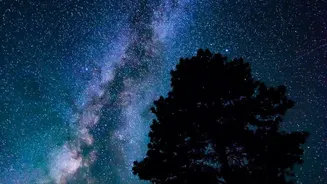
Spiti Valley's geography makes it a natural observatory of epic proportions. Its high altitude means there is less atmosphere for starlight to travel through, resulting in sharper, brighter stars. The region lies in a rain shadow, leading to a dry, arid climate with over 250 clear nights a year, offering reliable viewing conditions. Most importantly, its remote location and sparse population ensure minimal light pollution, creating some of the darkest skies in India. This combination of factors allows for breathtaking, naked-eye views of the Milky Way, distant galaxies, and meteor showers, phenomena that are completely invisible from light-drenched cities.
Langza: The Crown Jewel of Spiti Stargazing
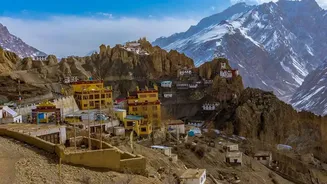
Perched at an astonishing 14,500 feet, the village of Langza has become a focal point for this celestial pilgrimage. Known as the 'Fossil Village' for the ancient marine fossils found scattered across its landscape, Langza offers more than just geological wonders. Its wide, open vistas and near-total absence of artificial light make it an astrophotographer's dream. The iconic, colossal Buddha statue that watches over the valley provides a stunning silhouette against the star-studded backdrop, creating a spiritual and deeply moving spectacle. Watching the Milky Way arc across the sky behind this serene monument has become an unforgettable, almost mystical, experience for visitors.
Community, Culture, and the Cosmos
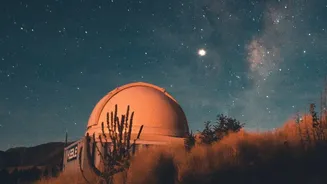
The rise of astrotourism in Spiti is not just about pretty pictures; it's a model for sustainable, community-led enterprise. The experience is enhanced by the warm hospitality of the local Spitian people, with many travellers opting for homestays in traditional mud-brick houses. This provides an authentic cultural immersion and ensures that tourist revenue directly benefits the local economy. Recognising this potential, the Himachal Pradesh government recently launched initiatives to train local youth as astronomy guides and provide them with high-end telescopes. This empowers residents of villages like Langza and Kaza to turn their pristine skies into a source of livelihood, blending scientific education with local folklore and tradition.
Planning Your Celestial Escape
A trip to Spiti for stargazing requires careful planning. The best time to visit is between May and September, when the weather is more forgiving and the roads are accessible. Acclimatisation is crucial due to the extreme altitude; experts recommend spending at least a day or two in a lower-altitude town like Kaza before ascending to Langza. Even in summer, night-time temperatures can plummet, so packing multiple layers of warm clothing is essential. While you don't need a professional telescope to be amazed, a good pair of binoculars can enhance the view. Most importantly, visitors should embrace the quiet and respect the tranquil environment that makes this celestial observation so special.