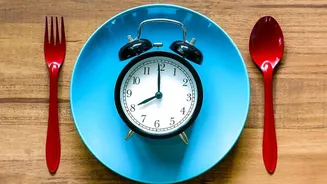








Aligning With Your Body's Internal Clock
At the heart of this concept is your body's circadian rhythm, an internal 24-hour clock that governs everything from your sleep-wake cycle to your metabolism. This internal timer, primarily synced to light and darkness, prepares your body for activity
during the day and rest at night. The science of 'chrononutrition' explores how aligning our meal times with this clock can optimize health. Our digestive and metabolic processes are most efficient during the day. As evening approaches, our bodies naturally begin to slow down, preparing for the restorative work of sleep. Eating late can disrupt this natural rhythm, forcing your digestive system to work overtime when it should be winding down.
The Connection to Fat Burning
One of the most compelling benefits of an earlier dinner is its effect on fat metabolism. When you eat, your body's first priority is to use the glucose from that meal for energy. By finishing your last meal earlier, you create a longer overnight fasting window. This extended period without food encourages your body to deplete its readily available glucose stores and switch to its secondary fuel source: stored fat. This metabolic flexibility is key to weight management. A study published in the Journal of Clinical Endocrinology & Metabolism found that participants who ate dinner at 6 p.m. instead of 10 p.m. had fat burning increase by about 10%, even when eating the exact same meal. Late eating, by contrast, can lead to higher blood sugar levels overnight and can shift the body's processes towards fat storage rather than fat oxidation.
Paving the Way for Deeper Sleep
Have you ever felt restless after a late, heavy meal? That’s because digestion is an active process that can raise your body temperature and heart rate, making it harder to fall into a deep, restful sleep. When your body is busy metabolizing food, it struggles to perform its essential overnight repairs. An early dinner allows the bulk of digestion to occur before you lie down. This can reduce issues like acid reflux and indigestion, which are known to fragment sleep. By the time you go to bed, your digestive system is calm, your blood sugar is more stable, and your body can more easily transition into the deep and REM sleep stages that are crucial for physical recovery and mental clarity.
Simple Steps to Shift Your Schedule
The idea of eating dinner by 7 p.m. might seem daunting, but the transition doesn't have to be abrupt. Start by bringing your evening meal forward by just 15-30 minutes each week. Focus on making dinner a lighter meal than lunch, with a good balance of protein, fibre, and healthy fats to promote satiety. If you find yourself hungry before bed, opt for a small, protein-rich snack like a handful of nuts or a small bowl of Greek yoghurt, rather than something high in sugar or processed carbohydrates. It can also be helpful to ensure you're eating enough throughout the day to avoid intense hunger at night. Even a short walk after your meal can aid digestion and help your body process the food more efficiently before you settle in for the night.