
The Power of Combining Pulses and Grains
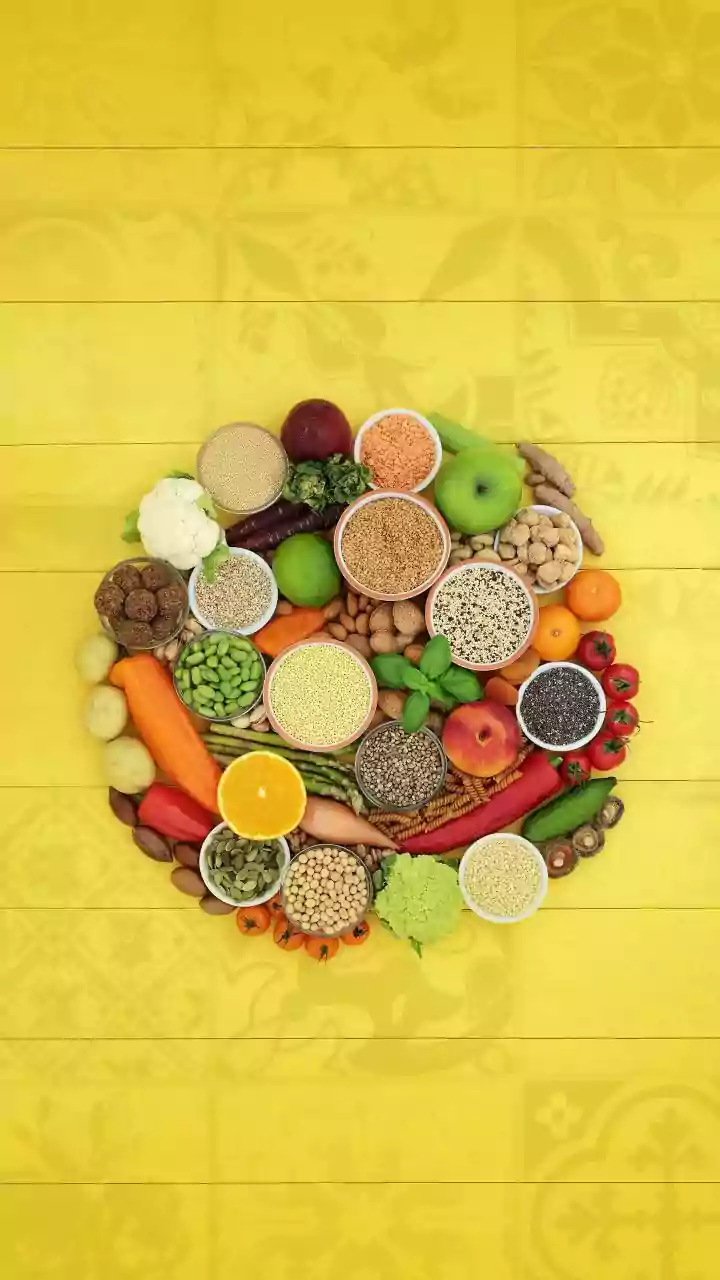
The magic of pairing dals (pulses) with rice or wheat (grains) lies in nutrition science. Proteins are made of amino acids. While most plant-based foods are 'incomplete' proteins, meaning they lack one or more essential amino acids, combining them creates
a 'complete' protein profile. Grains are typically low in the amino acid lysine, which pulses have in abundance. Together, they provide all the essential amino acids your body needs, similar to animal protein. This traditional food wisdom makes for a powerful, muscle-supporting, and energising start to the day.
Moong Dal Chilla
A classic North Indian savoury pancake, the moong dal chilla is a stellar example of a high-protein breakfast. Made from a batter of soaked and ground yellow moong dal, it's light, nutritious, and incredibly versatile. A serving of two medium-sized chillas can provide between 12 to 16 grams of protein. To make it a complete protein meal, you can serve it with a side of curd or stuff it with paneer, which further boosts the protein content. The batter is simple to prepare—just soak the dal for a few hours, grind with ginger and green chillies, add spices, and cook like a pancake.
Idli with Sambar
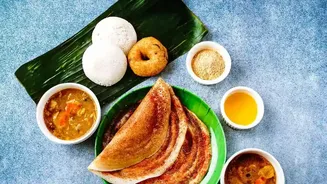
This South Indian staple is a perfect representation of the grain-pulse combination. Idli, a steamed cake made from a fermented batter of rice and urad dal (a type of lentil), is famously easy to digest. The sambar it's served with is a flavourful stew made from toor dal (another pulse) and a variety of vegetables. Together, they form a complete protein meal that is also rich in fibre and gut-friendly probiotics from the fermentation process. A typical serving of two idlis with a bowl of sambar can offer around 8 to 10 grams of protein, providing steady energy without being heavy.
Adai Dosa
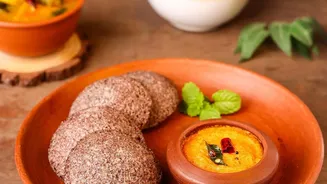
Hailing from Tamil Nadu, Adai is a thicker, heartier version of a dosa, made from a coarse batter of mixed lentils and a small amount of rice. Common dals used include toor dal, chana dal, moong dal, and urad dal. This mix of multiple lentils makes it exceptionally rich in protein and fibre. Unlike a regular dosa, the batter for adai doesn't require a long fermentation time. A serving of two adai dosas can contain an impressive 16 to 18 grams of protein, making it one of the most protein-dense breakfast options available. It's often served with jaggery or a simple coconut chutney.
Poha with Peanuts
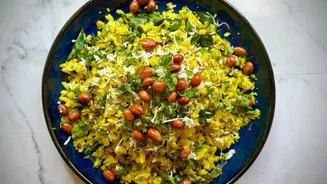
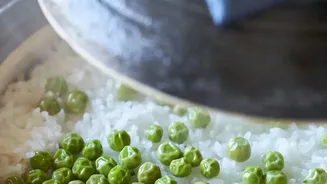
Poha, or flattened rice, is a light and popular breakfast across India. On its own, it is primarily a carbohydrate source with minimal protein. However, the traditional addition of a generous handful of roasted peanuts transforms it into a more balanced meal. Peanuts, being legumes, complement the grain (rice) and significantly boost the protein content. A plate of poha loaded with peanuts can provide between 7 to 12 grams of protein. For an even bigger protein hit, some people add sprouts or crumbled paneer, turning this simple dish into a truly satisfying breakfast.
Besan Chilla
Similar to its moong dal counterpart, the besan chilla is made from gram flour (besan), which is derived from chana dal (a pulse). This makes it another fantastic high-protein, egg-free option. It's quick to whip up as the flour is ready to use—just mix it with water, spices, and finely chopped vegetables like onions, tomatoes, and capsicum to create a batter. A serving of two besan chillas typically provides around 12 to 14 grams of protein. It's a filling, savoury, and nutritious breakfast that can be enjoyed with mint chutney or a side of curd.