


Why the Summer Heat Slows Them Down
Unlike humans, dogs can't sweat efficiently to cool down. They primarily rely on panting, which becomes less effective in high heat and humidity. Temperatures above 80-85°F (around 27-29°C) can significantly increase their risk of overheating. For certain
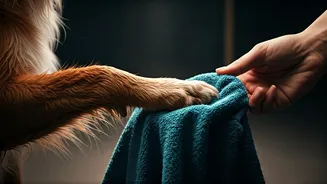
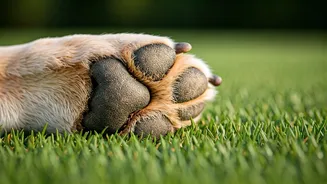
breeds, like flat-faced pugs or bulldogs, and for older or overweight dogs, even temperatures in the high 70s can be risky. The pavement can also become dangerously hot, potentially burning a dog's sensitive paw pads. A good rule is if you can't hold the back of your hand on the pavement for seven seconds, it's too hot for your dog's paws. Signs of overheating include excessive panting, drooling, bright red gums, lethargy, vomiting, or confusion. If you notice these signs, it's a serious situation that requires immediate veterinary attention. To keep them safe, walks should be short and limited to cooler morning and evening hours.
Beyond a Tired Game of Fetch
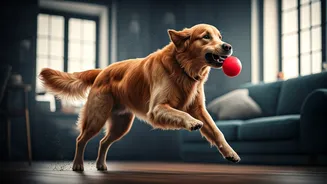
When stuck inside, it's easy to fall back on a simple game of fetch down the hallway. While any play is good, repetitive physical exercise can get boring. More importantly, it may not provide the mental stimulation your dog craves. A bored dog is more likely to develop unwelcome behaviors born from frustration, such as excessive barking or chewing. The key to a happy indoor dog is a blend of physical activity and brain-engaging enrichment. Mental exercise can be just as tiring, if not more so, than physical exertion. Just 20 minutes of dedicated sniffing and scent work can be as enriching as a one-hour walk. By turning playtime into a thoughtful activity, you help burn off excess energy and strengthen your bond.
Brain Games and Scent Work
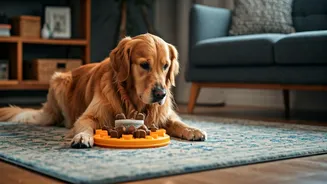
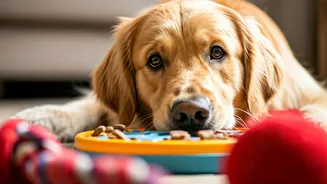
Engaging your dog's powerful sense of smell is one of the best ways to provide indoor enrichment. Simple scent games are easy to set up. A popular option is a “snuffle mat,” a fleece mat where you can hide dry food for your dog to find. You can also play a simple game of hide-and-seek with their favorite treats or toys. Start easy by hiding a treat under a cup or behind a pillow, using a cue like "Find it!" As they get better, you can hide items in other rooms. DIY puzzle toys are another fantastic option. You can create a simple treat dispenser by poking holes in a cardboard box or a plastic bottle and filling it with kibble. Even a standard muffin tin can become a game: place treats in the cups and cover them with tennis balls, forcing your dog to figure out how to get to the reward.
New Tricks and Indoor Agility
A rainy or scorching day provides the perfect opportunity to work on training. Short, positive training sessions are mentally stimulating and help reinforce good behavior. You can practice basic commands or teach fun new tricks like “spin” or “roll over.” The focus and communication required are a great workout for their brain. You can also create a DIY agility course in your living room. Use pillows to create low hurdles, a blanket draped over two chairs to make a tunnel, and a cardboard box to weave around. Guide your dog through the course with treats and praise. This not only burns energy but also builds confidence and coordination in a fun, low-pressure environment.
Cooling and Calming Activities
After a session of brain games or indoor agility, it's great to have calming activities that also help your dog cool down. One of the easiest and most effective options is a frozen treat. You can fill a durable rubber toy, like a Kong, with dog-safe peanut butter, yogurt, or wet food and freeze it. Licking the frozen treat is a soothing, long-lasting activity. Making “pupsicles” at home is another great idea. You can freeze low-sodium bone broth in an ice cube tray or blend dog-safe fruits like bananas and blueberries with a bit of water before freezing. For a simple, mess-free option, a lick mat with a textured surface can be spread with a soft treat and will keep your dog occupied while they relax in front of the fan.