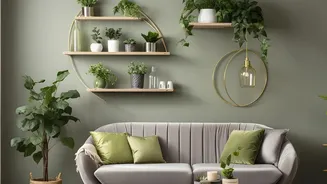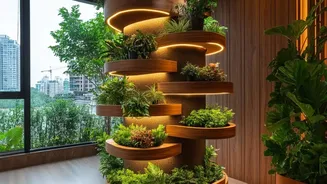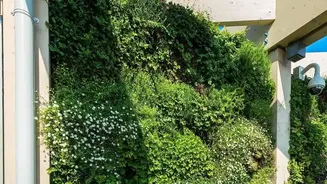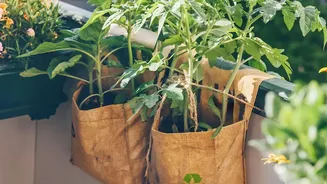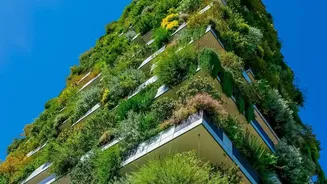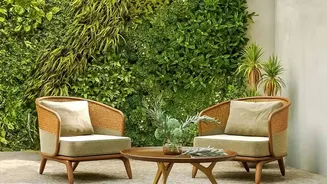



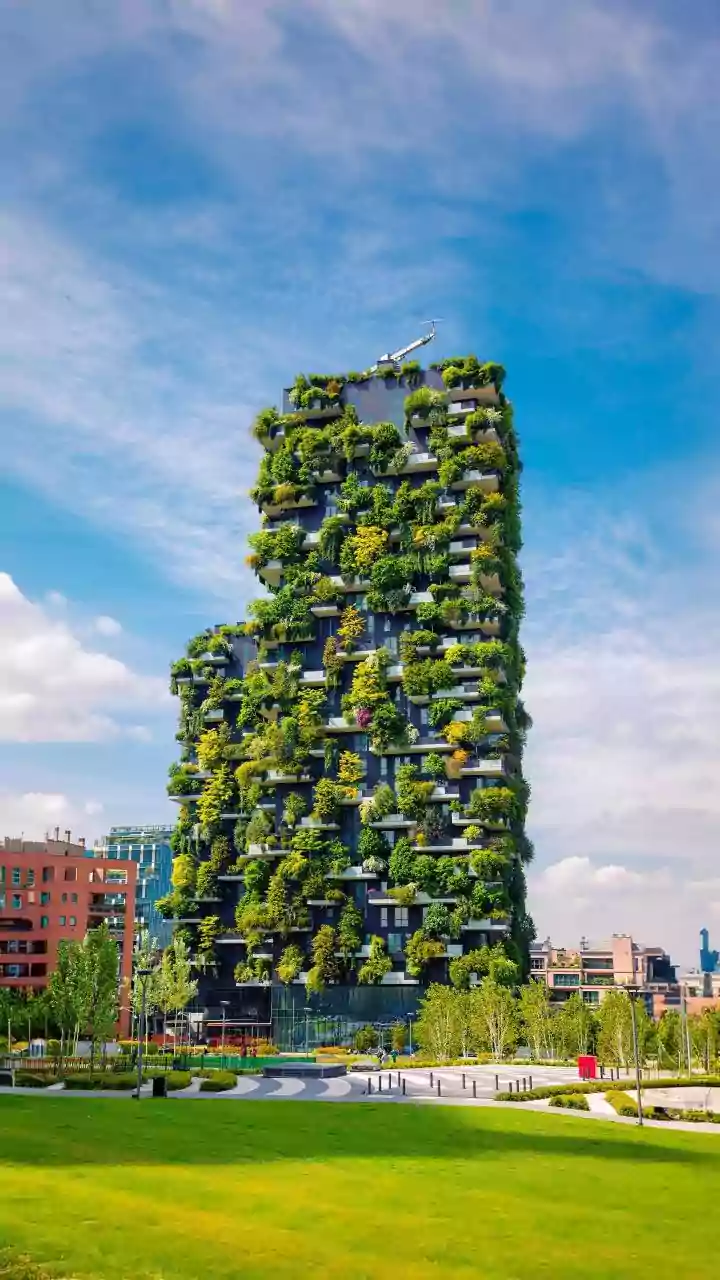


Vertical gardens transform bare walls into lush, living art. They save space, purify the air, and add a touch of nature to urban homes. Here’s a look at how to plan your own stunning wall-mounted garden, from the ground up.
Finding the Perfect Spot
The first step is choosing the
right wall. Most plants require four to six hours of sunlight daily, so monitor your chosen spot to understand its light conditions. South-facing walls are often ideal for sun-loving plants, while north-facing walls suit shade-tolerant species. Ensure the wall is structurally sound, as a mature, watered garden can be heavy. Proximity to a water source is also crucial, as you'll need easy access for regular watering, unless you plan to install an automated irrigation system.
Choosing Your Garden System
Several types of vertical garden systems are available, each with its own pros and cons. Modular or panel systems use interlocking cells to create a solid 'living wall' effect and are great for larger installations. Pocket systems, made of fabric or felt, are another popular choice where individual plants are tucked into pouches. For a simpler approach, a trellis or cable system allows climbing plants to grow up from a container at the base. If you're renting, freestanding tiered planters that require no drilling are an excellent alternative.
Selecting the Right Plants
Plant selection is key to a thriving vertical garden. In India, hardy, low-maintenance varieties that suit the climate are best. For sunny walls, consider heat-tolerant plants like Portulaca, Vinca (Sadabahar), and Alternanthera. For shadier spots, Money Plant (Pothos), Philodendron, Spider Plant, and various ferns are excellent choices as they thrive in indirect light. It's wise to group plants with similar light and water needs together to simplify care. You can also grow herbs like mint and coriander or leafy greens like spinach (palak) in a vertical setup.
Soil and Irrigation Explained
Vertical gardens dry out faster than traditional ones, so the growing medium is critical. Avoid using heavy garden soil. Instead, opt for a lightweight, well-draining mix, typically a combination of cocopeat, vermicompost, and perlite. This retains moisture without becoming waterlogged. For watering, you can do it manually with a watering can, which works for smaller walls. For larger installations or for convenience, a drip irrigation system is highly recommended. These automated systems deliver water directly to the plant roots, ensuring consistency and preventing water wastage.
Installation and Planting
Once you have your system and plants, it's time to install. If you're mounting the system on a wall, ensure you use strong brackets and leave a small air gap between the frame and the wall to prevent moisture buildup and mould. When planting, arrange your selections to create visual interest. A good combination is mixing trailing plants, like Money Plant, with bushy ones, such as ferns, and upright growers to add texture and depth. Staggering the plants can also help ensure they all receive adequate light and airflow.
Ongoing Care and Maintenance
A living wall needs regular attention to stay vibrant. Check the moisture levels frequently, keeping the soil damp but not soaked. Pruning is essential to remove any dead leaves and to keep more vigorous plants from overtaking their neighbours. This also encourages bushier growth and maintains the garden's shape. Feed your plants with a balanced liquid fertiliser during the growing season, as nutrients in the limited soil can be depleted quickly. Also, regularly inspect for common pests and address any issues early to keep your wall healthy.