





Secure Windows and Balconies
Apartment living often means access to windows and balconies with a view, but these pose a significant risk. Vets use the term “high-rise syndrome” to describe injuries from falls, which are all too common when cats are distracted by a bird or doze off
in an open window. Ensure all window screens are sturdy, without rips, and securely fitted. For sliding windows or doors, a simple wooden dowel in the track can prevent them from opening too wide. If you let your cat on the balcony, it must be fully enclosed with cat-proof netting or plexiglass. Regular insect screens are not strong enough to hold a determined or panicked cat. Also, be sure to tie up any dangling blind or curtain cords, which pose a serious strangulation hazard.
Identify Poisonous Plants and Foods
Many common houseplants are toxic to cats, and their natural curiosity can lead to a dangerous nibble. Lilies are extremely dangerous, with even small amounts of pollen causing kidney failure. Other popular but poisonous plants include aloe vera, sago palms, snake plants, and pothos (money plant). Check your bouquets and pots against a reliable list from a veterinary source. Human food can also be hazardous. Keep your cat away from chocolate, onions, garlic, grapes, raisins, alcohol, and caffeine. Even seemingly harmless foods like milk can cause digestive upset, as most adult cats are lactose intolerant.
Audit the Kitchen and Bathroom
Kitchens and bathrooms are full of potential hazards. Always keep appliance doors like washing machines, dryers, and dishwashers closed, as cats may crawl inside for a nap. Be mindful of hot stovetops that can burn curious paws long after you've finished cooking. Secure all trash and compost bins; spoiled food and items like bones or coffee grounds can be toxic or cause blockages. In the bathroom, keep the toilet lid down to prevent a kitten from falling in. Most importantly, ensure all cleaning chemicals, detergents, and human medications are stored in securely latched cabinets. Cats are sensitive to many chemicals, and products that come in contact with their fur can be ingested during grooming.
Manage Wires, Cords, and Small Items
A cat's playful instincts can turn dangerous around everyday household items. Electrical cords can cause burns or electrocution if chewed, so bundle them in cord covers or tuck them safely behind furniture. Small items left on counters or nightstands—like hair ties, rubber bands, paper clips, and small toy parts—can be swallowed, leading to choking or intestinal blockage. Take a moment to scan your living areas from a cat's-eye view. What looks like a fun toy could be a hazard. Store these items in drawers or covered containers to be safe.
Provide Enrichment and Safe Spaces
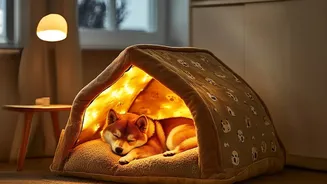
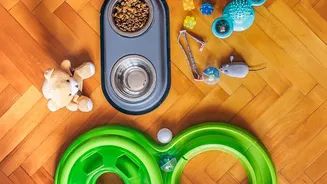
A bored cat is often a mischievous cat. Providing plenty of enrichment can redirect their energy away from potentially destructive or dangerous behaviours. Invest in sturdy scratching posts to satisfy their natural urge to scratch, placing them near furniture they might otherwise target. Cat trees, window perches, and wall shelves offer vertical space for climbing and observing their territory, which is crucial for their well-being in a smaller apartment. Having designated safe spots where they can retreat and feel secure will also reduce stress and anxiety. Ultimately, an engaged and happy cat is a safer cat.