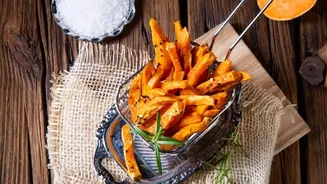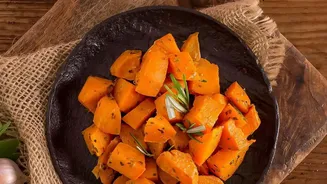



A great breakfast sets the tone for the entire day, and it doesn’t get much better than a skillet of savoury sweet potato hash. This guide carefully breaks down how to achieve a perfectly crisp, flavourful, and satisfying breakfast every time.
Why Start Your Day with Sweet Potato?
Before diving
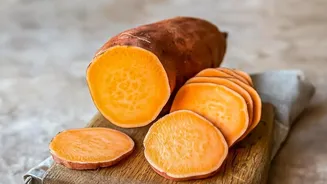
into the cooking process, it’s worth appreciating why sweet potato hash is such a brilliant breakfast choice. Sweet potatoes are a nutritional powerhouse, packed with fibre, vitamins A and C, and essential minerals. This means a serving of hash can keep you feeling full and energised for hours. The fibre is excellent for digestive health, while the antioxidants have anti-inflammatory properties. Beyond the health benefits, the natural sweetness of the potato creates a delicious contrast with savoury ingredients like eggs, onions, and spices, making it a truly balanced and satisfying meal.
The Core Components for Success
A fantastic hash relies on a few key ingredients working in harmony. For a classic, crowd-pleasing version, you will need: sweet potatoes, a protein, aromatic vegetables, and spices. For the protein, eggs are a popular choice, often cracked directly into the skillet to cook on top of the hash. Other great options include crumbled breakfast sausage, chorizo, or bacon. For a vegetarian version, black beans are an excellent addition. Your aromatics are typically diced onion and bell peppers, which add sweetness and texture, along with minced garlic for a savoury backbone. Finally, a simple spice blend of smoked paprika, cumin, salt, and pepper ties everything together.
The Secret to a Crisp, Not Mushy, Hash
The word 'carefully' in the headline points to the most common challenge with sweet potato hash: sogginess. Sweet potatoes contain more sugar and less starch than regular potatoes, meaning they can caramelise and burn before they get truly crisp. The secret to avoiding a mushy pile is twofold. First, dice your potatoes into small, uniform cubes, about half an inch in size. This ensures they cook evenly. Second, manage the moisture and heat. Some cooks recommend parboiling the potatoes or giving them a quick steam in the microwave to soften them before they hit the hot pan. Another effective method is the cover-then-uncover technique: cook the diced potatoes in a covered skillet over medium heat to steam them until tender, then uncover the pan and increase the heat to brown and crisp the edges. The most important rule? Don't overcrowd the pan, as this will steam the potatoes instead of frying them. Cook in batches if necessary.
Step-by-Step to Skillet Perfection
Ready to cook? Start by heating oil in a large, heavy_bottomed skillet (cast iron works wonderfully) over medium_high heat. Add your diced sweet potatoes in a single layer and cook, stirring occasionally, until they start to get tender and browned at the edges. If using the cover_then_uncover method, cover for about 10_12 minutes, then uncover and fry for another 4_5 minutes. Next, push the potatoes to the sides of the skillet and add your onions and peppers to the centre, cooking until softened. Stir in the garlic and spices until fragrant. If you're using a pre_cooked protein like sausage or bacon, add it back to the pan now. Toss everything together. Finally, use a spoon to create small wells in the hash and crack an egg into each one. Cover the pan and cook for 4_6 minutes, or until the egg whites are set but the yolks are still runny.
Make It Your Own: Toppings and Variations
This hash is a fantastic base for customisation. For extra greens, toss in a few handfuls of spinach or kale during the last couple of minutes of cooking until wilted. To serve, top with fresh herbs like parsley or chives, sliced avocado, or a drizzle of your favourite hot sauce. Want to change the flavour profile? Add diced jalapeño with the onions for a spicy kick. For a different protein, consider cubed ham or even leftover shredded chicken. You can also roast the vegetables on a sheet pan in the oven for a more hands_off approach. This makes cleanup even easier and is great for larger batches.