



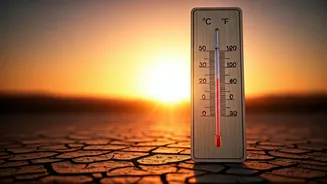



Understanding the Science of Heat Stress
When you exercise, your muscles generate heat, and your core body temperature rises. To cool down, your body cleverly sends more blood to your skin and triggers sweating. The evaporation of this sweat is what regulates your temperature. However, in the
hot and humid conditions common across India, this natural cooling system struggles. High humidity prevents sweat from evaporating efficiently, trapping heat inside the body. This forces your heart to work much harder to pump blood to both your muscles for the workout and your skin to cool down, putting your entire system under significant strain. This state is known as heat stress, and it can escalate from mild discomfort to a serious medical emergency if ignored.
Listen to Your Body, Not Your Ego
There's a fine line between mental toughness and recklessness. The pressure to stick to a schedule or hit a personal best can make us ignore our body's warning signals. This is where ego becomes a liability. Pushing through symptoms like dizziness, nausea, or a pounding headache is not a sign of strength; it's a gamble with your health. Heat stress impairs cognitive function, meaning the initial bad decision to exercise in extreme heat can lead to a series of worse judgments, like not stopping when you should. Fitness is a lifelong journey, not a single, punishing session. True strength lies in adapting your training to the conditions, which sometimes means reducing intensity, taking a rest day, or opting for a cooler, indoor alternative.
The Golden Hours for Exercise
Timing is everything when it comes to exercising safely in the heat. Experts overwhelmingly agree that the best times for outdoor activity in hot climates are during the cooler parts of the day. The ideal window is early in the morning, typically between 5:30 AM and 8:00 AM, when temperatures are at their lowest and air quality is often better. A morning workout can also boost your energy for the rest of the day. If you're not an early riser, the next best option is late evening, after sunset, usually after 6:30 PM. The period to absolutely avoid for strenuous outdoor activity is between 11:00 AM and 4:00 PM, when the sun's intensity and ambient temperatures are at their peak.
Know the Warning Signs
Recognising the early symptoms of heat-related illness can prevent a medical emergency. Pay close attention to these signs during and after your workout. Heat exhaustion symptoms include heavy sweating, a weak and rapid pulse, headache, dizziness, nausea, and muscle cramps. Your skin might feel cool and moist despite the heat. If you experience any of these, you must stop all activity immediately, move to a cooler place, and start rehydrating. If symptoms worsen or don't improve within an hour, or if someone becomes confused or loses consciousness, it may be heatstroke, a life-threatening condition that requires immediate medical attention.
Smarter Workout Strategies
Adapting your routine is key. First, acclimate your body gradually over one to two weeks by starting with shorter, less intense workouts. Proper hydration is non-negotiable. Begin hydrating several hours before your workout, and continue to sip water every 15-20 minutes during exercise. For sessions longer than an hour, a sports drink can help replace lost electrolytes like sodium and potassium. Dress in light-coloured, loose-fitting, and moisture-wicking fabrics to help your body cool itself. On dangerously hot days, don't be afraid to swap your outdoor run for an indoor activity like yoga, a gym session, or swimming. These alternatives allow you to stay active without putting your body at unnecessary risk.