






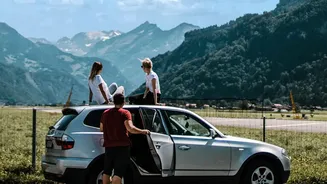

The long-awaited annual holiday, a cornerstone of vacationing for generations, is getting a rethink. For Gen Z, the new rule is simple: travel more, but for less time. A major shift towards shorter, frequent getaways is redefining wanderlust.
The Rise of the Micro-Cation
The era of
saving up all year for a single two-week blockbuster holiday is fading. For today's younger travellers, the 'micro-cation' reigns supreme. This trend involves taking short, high-impact trips of two to four days, often over a weekend. Recent research highlights this significant shift; a 2026 survey of young Indians found that a staggering 87% prefer trips that last under a week, and 70% would choose three short getaways over one long annual vacation. This isn't just an Indian phenomenon; globally, 52% of Gen Z travellers take at least three leisure trips a year. They are trading the stress of a meticulously planned grand tour for the joy of frequent, spontaneous escapes that fit neatly into their dynamic lifestyles.
Driven by Budgets and Burnout
A key driver of this trend is financial pragmatism. With economic pressures and the rising cost of living, massive holiday expenses are a daunting prospect for many young people. Shorter trips are simply more affordable and easier to budget for, allowing for regular travel without accumulating debt. Many in Gen Z say they are willing to make financial sacrifices for their trips, and taking shorter journeys is one way to make their travel budget stretch further. This financial sensibility is paired with a focus on mental wellness. In an age of digital fatigue, frequent short breaks serve as a regular antidote to burnout. Research shows that a significant number of young people book trips specifically to escape stress, viewing travel as a necessary tool for mental health management rather than a once-a-year luxury.
Spontaneity in the Digital Age
Unlike previous generations who might spend months planning a trip, Gen Z thrives on spontaneity. One report found that two-thirds of young travellers book their trips within just days or weeks of departure, not months in advance. This is partly a reaction to their busy schedules and partly a result of the digital tools at their fingertips. With travel apps and social media, inspiration and booking can happen almost instantly. A friend's suggestion, a long weekend, or simply a stressful day at work can be the catalyst for a quick getaway. This generation values flexibility and freedom, often leaving parts of their itinerary deliberately unplanned to allow for authentic discovery. They want to experience a destination like a local, not just tick off a list of tourist attractions.
Experience is the New Luxury
For Gen Z, travel is a form of self expression. The destination and accommodation choices are seen as a reflection of their personal taste and identity. They are more interested in unique, memorable experiences than simply staying in a luxury hotel. This could mean an offthebeatenpath adventure, a stay in a unique rental, or attending a music festival in another city. Interestingly, the experience they seek isn't always about action and sightseeing. A growing trend is 'room rotting', where the entire point of the trip is to relax and do nothing at all in a comfortable, appealing accommodation. This focus on feeling and connection means that who they travel with often matters more than where they go.