




Master Your Drainage
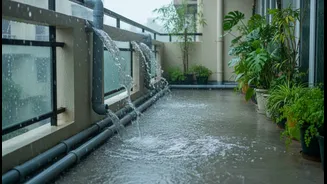
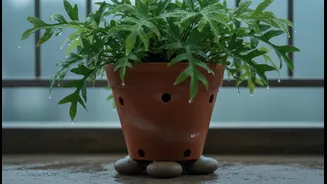
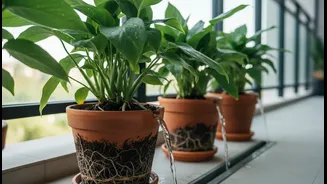
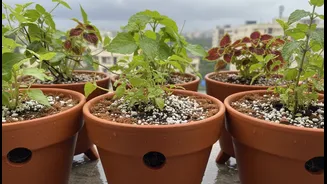
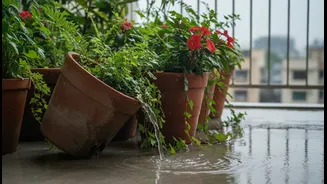
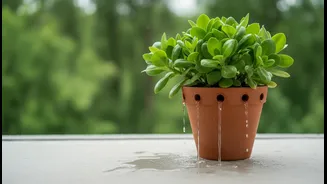
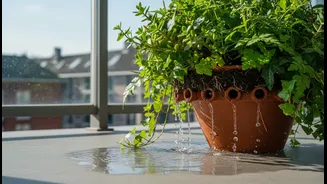
The single most important factor for monsoon success is preventing waterlogging. Heavy rains can quickly saturate pots, suffocating roots and leading to rot. Before the season starts, ensure every pot has clear drainage holes. If a pot lacks them, consider
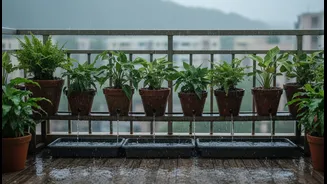
drilling a few or using it as a decorative outer pot (a cachepot) for a pot that does have drainage. Elevate your planters using bricks, stones, or dedicated pot feet. This small gap allows excess water to escape freely instead of creating a puddle underneath, which can block the holes and attract mosquitoes. Avoid leaving pots sitting in water-filled saucers; empty them promptly after it rains.
Choose Monsoon-Ready Plants
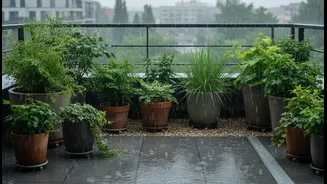
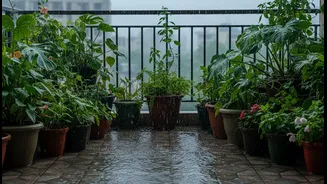
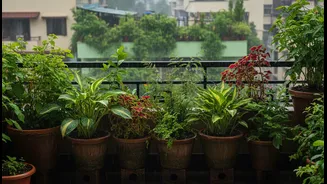
Not all plants enjoy a daily drenching. The wet season is the time for rain-loving tropical plants to shine. Species like hibiscus, jasmine (mogra), rain lilies, and balsam thrive in high humidity and regular watering. Foliage plants such as colocasia (elephant ear), monstera, and ferns also experience a growth spurt. Conversely, some popular balcony plants need protection. Succulents, cacti, and jade plants, which store water in their leaves, are highly susceptible to rot and should be moved under a roof or to a covered spot where they won't get rained on directly. Knowing which plants to shelter and which to leave out is key to a vibrant monsoon garden.
Create a Well-Draining Soil Mix
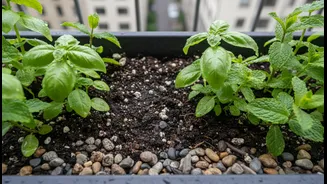
Standard garden soil is often too dense for pots and can become a compacted, muddy mess during the monsoon. A lighter, well-aerated soil mix is crucial. A good recipe combines garden soil with materials that improve drainage and airflow. Create a blend using equal parts garden soil, compost for nutrients, and coco peat for moisture retention. Then, add a portion of coarse sand or perlite to the mix; this prevents the soil from getting waterlogged and allows roots to breathe. A healthy soil structure is your first line of defence against the challenges of the season.
Rethink Your Watering Schedule
One of the biggest mistakes during the monsoon is sticking to a summer watering routine. With frequent rains and high humidity, your plants will need significantly less manual watering. Always check the soil before reaching for the watering can. Push your finger about an inch into the topsoil; if it feels damp, there's no need to water. Let the rain do its job and only supplement during prolonged dry spells. Overwatering is a leading cause of plant death during this season, so it's better to err on the side of caution.
Stay Ahead of Pests and Diseases
The damp, humid conditions of the monsoon are an open invitation for pests like slugs, snails, and mealybugs, as well as fungal diseases like powdery mildew. Good air circulation is essential, so avoid overcrowding your plants. Pruning can help improve airflow around the foliage. Regularly inspect your plants, especially the undersides of leaves, for any signs of trouble. For a proactive, organic approach, spray your plants with a diluted neem oil solution every 10-15 days. This acts as a natural repellent and fungicide without harming your plants or beneficial insects.
Provide Support and Trim Strategically
Monsoon winds and the weight of rain-soaked leaves can be tough on plants, leading to broken stems. Before the storms arrive, provide support for tall or weak-stemmed plants using stakes or by tying them gently to your balcony railing. It's also a good time for a strategic trim. Pruning overgrown branches not only helps the plant look tidier but also promotes bushier, healthier growth and reduces the risk of wind damage. Regularly remove any yellowing leaves or spent flowers to prevent them from rotting in the damp conditions and spreading disease.