






The Monsoon Harvest Connection
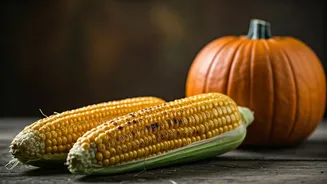
Why do corn and pumpkin dominate the monsoon foodscape? The answer lies in India’s agricultural rhythms. The Kharif crop season, which begins with the onset of the monsoon in June, is the primary growing period for maize (corn). By mid-monsoon, fresh
cobs are harvested and flood the local markets. Similarly, many varieties of pumpkin, or 'kaddu', thrive in the humid, wet conditions, making them abundantly available. This seasonal abundance is not just a matter of chance; it's a centuries-old cycle that has deeply woven these ingredients into our culinary traditions, making their arrival a true marker of the season.
Celebrating Corn: The Mighty Bhutta
Nothing says monsoon quite like the sight of a street vendor fanning charcoal embers to roast a fresh cob of corn. The 'bhutta', slathered with a mix of salt, chilli powder, and a generous squeeze of lime, is more than a snack; it's a multi-sensory experience. The smoky aroma, the tangy-spicy flavour, and the satisfying crunch of each kernel are inseparable from the sound of falling rain. This simple, rustic preparation is the most iconic way to enjoy monsoon corn, connecting us to a shared, nationwide tradition. It’s an affordable, delicious, and deeply nostalgic treat that brings people together on rainy evenings.
Beyond the Cob
While roasted bhutta is king, corn’s versatility shines in countless other dishes perfect for the season. Steamed corn kernels can be transformed into a vibrant 'corn chaat' with chopped onions, tomatoes, and chaat masala for a tangy kick. For something more indulgent, 'corn pakodas' or fritters offer a crispy, deep-fried delight that pairs perfectly with a hot cup of chai. At home, you can easily whip up a creamy 'sweet corn soup' for a light and comforting meal, or a simple 'corn sabzi' sautéed with mild spices to accompany your rotis. These dishes make it easy to incorporate this seasonal star into your daily meals.
Pumpkin: The Humble Hero
Often overshadowed by more glamorous vegetables, the humble pumpkin, or 'kaddu', truly comes into its own during the monsoon. Its mild sweetness, creamy texture, and incredible versatility make it a kitchen staple. Whether it’s the bright orange variety or the green-skinned type, pumpkin is a powerhouse of nutrients. It’s light on the stomach and easy to digest, which is particularly beneficial during a season when digestive issues can be common. From simple home-style preparations to more elaborate dishes, pumpkin provides a comforting and nourishing presence on the plate.
Sweet and Savoury Pumpkin Delights
Pumpkin's ability to swing between sweet and savoury dishes is its greatest strength. The classic 'khatta meetha kaddu' (sweet and sour pumpkin) is a North Indian favourite, a delightful medley of flavours that goes beautifully with pooris. A simple 'pumpkin soup', perhaps spiced with a hint of ginger and cinnamon, is another soul-soothing option for a cool, rainy day. For those with a sweet tooth, 'kaddu ka halwa' is a rich, ghee-laden dessert that provides warmth and comfort. Even the pumpkin flowers and leaves are used in some regional cuisines to make delicious fritters, ensuring no part of this generous vegetable goes to waste.
Seasonal Eating for Wellness
Embracing seasonal produce like corn and pumpkin is not just about flavour; it's also a smart choice for your health. Corn is a good source of dietary fibre and antioxidants. Pumpkin is famously rich in Vitamin A and beta-carotene, which are known to help boost immunity—a welcome benefit during the monsoon when the body is more susceptible to infections. Eating what's in season ensures you are getting the freshest, most nutrient-dense produce, helping your body adapt to the environmental changes that come with the rains.