





Start with a Thorough Cleaning
The first step in welcoming Lord Ganesha is to ensure your home is spotless. Preparations traditionally begin with a deep clean, purifying the space where the idol will be placed. This involves more than just daily tidying; it’s about decluttering and
creating a serene, positive environment for the ten-day festival. Focus on the puja area, but extend the cleaning to your entire home to usher in auspicious energy. Sprinkling Gangajal or water mixed with tulsi leaves is a common practice to sanctify the space.
Choosing the Right Idol
The centerpiece of the festival is the Ganesha idol. When selecting one, consider both size and material. An idol should fit comfortably in your designated puja space. In recent years, there has been a significant shift towards eco-friendly idols made from materials like clay (shadu mati), rice flour, or even terracotta. These are preferred over Plaster of Paris (PoP) idols because they dissolve easily in water, minimizing environmental pollution during immersion (visarjan). According to Vastu, an idol with the trunk tilted to the left is often recommended for homes to bring good luck.
Creating the Perfect Mandap
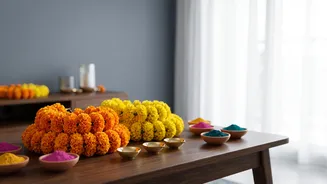
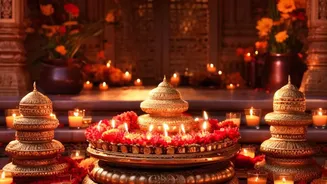
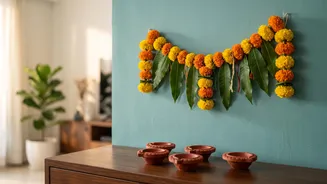
The mandap or makhar is the temporary shrine where the idol will reside. Begin by placing a wooden platform (chowki) covered with a clean red or yellow cloth. The decoration can be as simple or elaborate as you wish. Traditional decorations often involve fresh flowers like marigolds, roses, and red hibiscus, which is a classic offering for Ganesha. You can create a flower wall as a backdrop or hang garlands. Using mango and banana leaves is also considered auspicious. For lighting, opt for traditional brass oil lamps (diyas) instead of fairy lights to create a warm, divine glow.
The Ritual of Sthapana and Daily Puja
Ganesh Sthapana is the ritual of installing the idol. This is typically done on the first day, September 14, during an auspicious time (muhurat). The ceremony involves invoking the deity into the idol (Pranapratishtha) through chants and offerings. Key items for the puja include Durva grass, flowers, incense, sandalwood paste, and a Kalash filled with water, topped with mango leaves and a coconut. Throughout the festival, daily rituals should be observed, including morning and evening aarti, offering fresh flowers, and maintaining a peaceful atmosphere.
Preparing the Festive Bhog
No festival is complete without traditional food, and for Ganesh Chaturthi, the food prepared is first offered as bhog. The most iconic dish is the Ukadiche Modak, a steamed rice flour dumpling filled with a sweet mixture of grated coconut and jaggery. It is believed to be Lord Ganesha's favorite sweet. Other Maharashtrian delicacies prepared during the festival include Puran Poli, a sweet flatbread with a lentil filling, and savoury snacks like Kothimbir Vadi and Batata Vada. Panchamrit, a mix of five ingredients including milk, curd, ghee, honey, and sugar, is also offered during the puja.
Planning for Visarjan
The festival concludes with Ganesh Visarjan, the immersion of the idol. Depending on family tradition, this can happen on the 3rd, 5th, 7th, or 11th day. If you have an eco-friendly idol, the visarjan can be performed easily at home. Simply immerse the idol in a bucket or tub of water. After the idol dissolves, the water can be poured into your garden or plant pots, completing a beautiful, natural cycle. This practice has become increasingly popular as it is a respectful and environmentally conscious way to bid farewell to Lord Ganesha.