






We all know that leafy greens are good for us, but the debate between eating them raw or cooked continues. When it comes to fibre, cooking your greens might offer some surprising benefits, making them easier to digest and gentler on your system.
The Essential Role of Dietary Fibre
Before
diving into the greens, let's talk about fibre. Dietary fibre is a type of carbohydrate that the body can't digest. It comes in two forms: soluble and insoluble, and both are crucial for good health. Soluble fibre dissolves in water to form a gel-like substance, which can help lower cholesterol and regulate blood sugar levels. Insoluble fibre does not dissolve in water; instead, it adds bulk to your stool, which aids in smooth digestion and helps prevent constipation. Most plant foods contain a mix of both. A high-fibre diet supports bowel health, helps in maintaining a healthy weight by making you feel fuller for longer, and may reduce the risk of several chronic diseases.
The Raw vs. Cooked Greens Debate
Many people believe that raw vegetables are always more nutritious. While it's true that some heat-sensitive nutrients like vitamin C can be lost during cooking, the story isn't that simple. Cooking can actually break down the tough cell walls of vegetables, making many of their nutrients easier for your body to absorb. For example, the bioavailability of minerals like calcium and iron, and antioxidants like beta-carotene, often increases when greens like spinach are cooked. Cooking also reduces compounds called oxalates, which are found in high amounts in greens like spinach and can interfere with calcium absorption. Breaking down these oxalates makes the minerals in the greens more accessible to your body.
How Cooking Affects Fibre Content
When it comes to fibre, the cooking process itself doesn't destroy it. However, heat can change its structure. The process can soften insoluble fibre, making cooked greens much easier to digest, which is particularly beneficial for individuals with sensitive digestive systems or conditions like inflammatory bowel disease. Some studies suggest that cooking can alter the ratio of insoluble to soluble fibre, potentially increasing the proportion of beneficial soluble fibre. While the total amount of fibre remains largely stable, the change in its structure and the increased digestibility mean that your body can handle it more effectively, without the bloating that some people experience from large amounts of raw vegetables.
Top Fibre-Rich Greens in the Indian Diet
Indian cuisine has a long and delicious history of cooking leafy greens, or 'saag'. Many local varieties are nutritional powerhouses. Drumstick leaves (moringa) are exceptional, leading the pack in fibre, protein, and calcium content. Amaranth leaves (chaulai/rajgira) are another excellent choice, rich in both soluble and insoluble fibre, along with iron and calcium. Fenugreek leaves (methi) contain a special type of soluble fibre that is great for gut health and blood sugar regulation. And of course, there's spinach (palak) and mustard greens (sarson), both staples in dishes like Palak Paneer and Sarson ka Saag. While spinach is often lauded for iron, it's also a great source of fibre, second only to moringa among many common greens.
Best Ways to Cook Your Greens
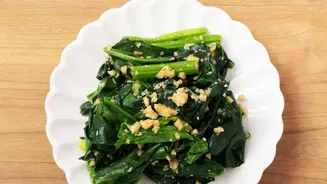
To get the most nutritional bang for your buck, the cooking method matters. Boiling can cause water-soluble vitamins like vitamin C and B vitamins to leach out into the water. If you do boil your greens, try to use the leftover water in soups or gravies to retain those nutrients. Gentler methods like steaming and sautéing are excellent choices for preserving nutrients while still getting the benefits of cooking. Steaming, in particular, has been shown to be one of the best methods for nutrient retention. A quick sauté with garlic and a touch of oil not only adds flavour but the healthy fat can also help your body absorb fat-soluble vitamins like A, E, and K found in the greens.