
A Himalayan Spectacle in Pink
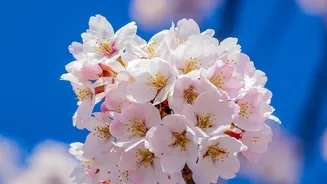
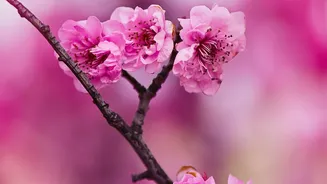
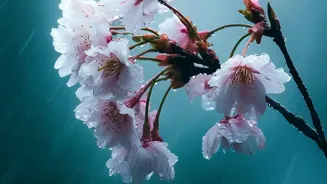
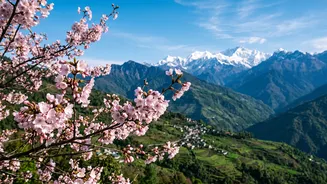
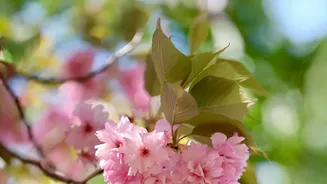
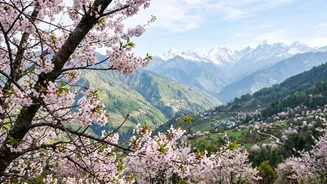
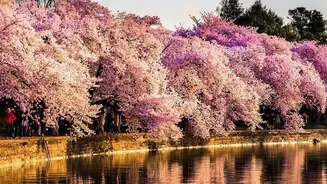
Unlike the famous spring blossoms of Japan, Sikkim's cherry blossoms arrive in autumn. The festival celebrates the flowering of the Prunus cerasoides, or the wild Himalayan cherry, which paints the landscape in soft pink hues. This natural event is centred
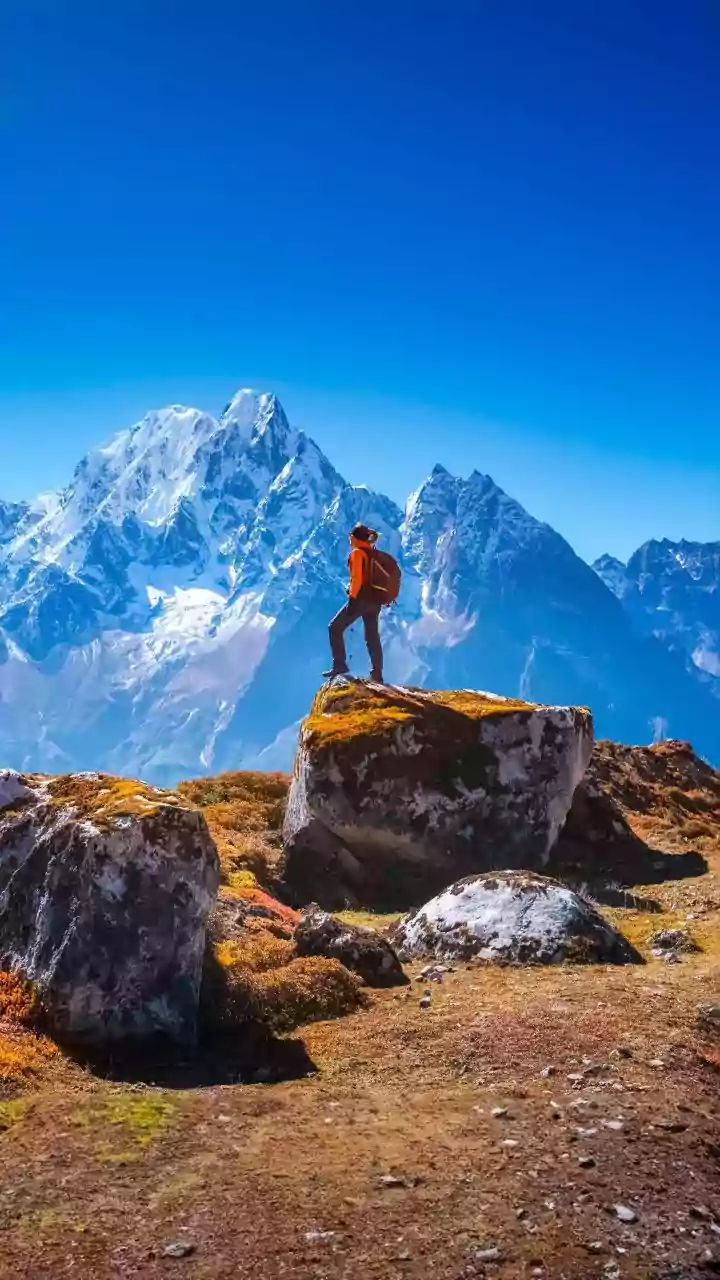
around the Temi Tea Garden in South Sikkim, the state's only tea estate. The festival combines the stunning floral display with local culture, making it a major draw for nature lovers and travellers. It provides a platform for local communities to showcase their traditions, food, and handicrafts, offering visitors an immersive cultural experience against the backdrop of the mighty Kanchenjunga peak.
The Crucial Question of Timing
The headline says it all: timing is everything, and it's dictated by the weather. The Himalayan cherry typically blooms from late October through November, with the peak generally occurring in mid-to-late November. However, this window can shift. The flowering is triggered by the arrival of cold weather and is influenced by altitude; blooms start earlier at higher elevations and proceed downwards. For instance, flowering might begin in the first week of November at altitudes of 7,000-8,000 feet and in the third week at 3,000-4,000 feet. This variability means that fixed festival dates don't always align perfectly with the peak bloom. For 2026, while some reports suggest festival dates of November 25-28, others indicate a longer period from November 14-28 to give visitors more flexibility.
Where to Find the Blooms
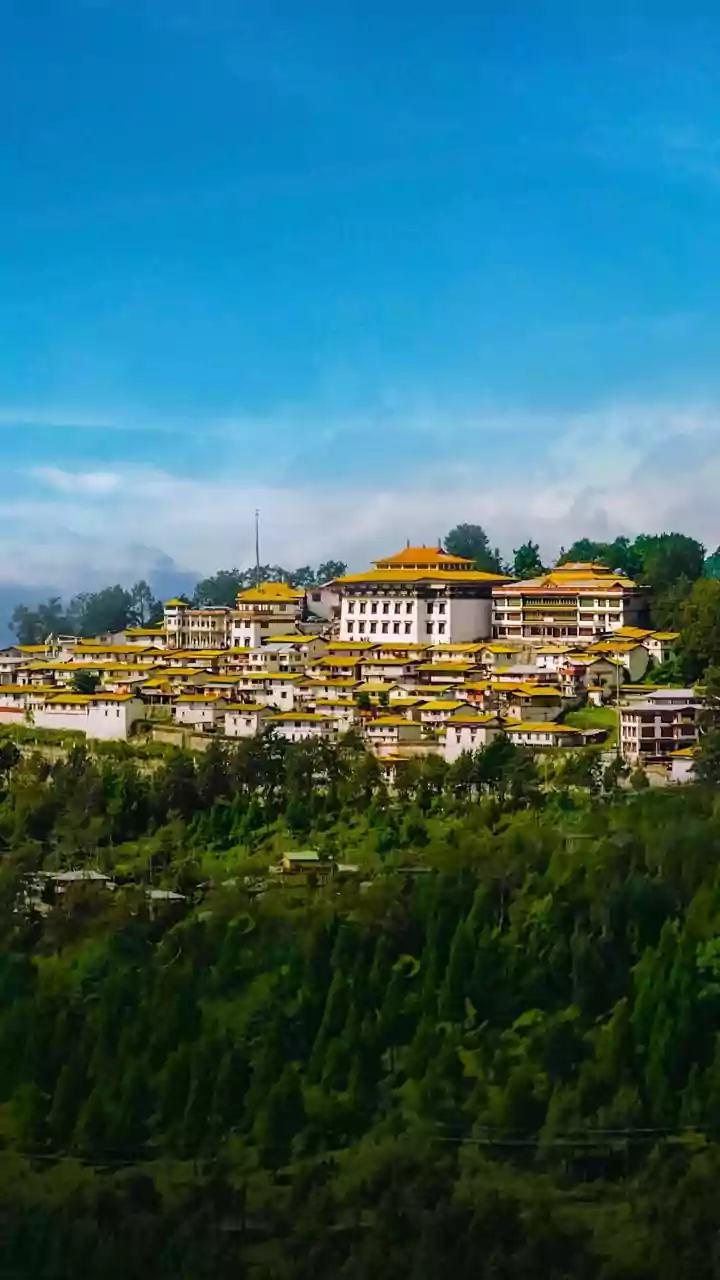
The undisputed epicentre of the cherry blossoms is the Temi Tea Garden in South Sikkim. Here, pink-flowered trees line the winding roads, creating a stunning contrast with the vibrant green tea bushes spread over 400 acres. Visitors can walk the paths and climb a watchtower for panoramic views. Another prime location is the area around Ravangla, particularly the roads leading towards Ralong Monastery, which are lined with blooming cherry trees. While the main event is in South Sikkim, occasional blossoms can also be spotted in other areas, including around Gangtok and in the colder regions of North Sikkim like Lachung and Lachen.
More Than Just Pretty Trees
The festival is a vibrant affair that goes far beyond just admiring the flowers. Past editions have featured a host of activities, and the 2026 event is expected to be similar. Visitors can enjoy live music, traditional folk dance and song performances, and stalls selling local handicrafts and floricultural products. Food is a major highlight, with opportunities to savour traditional Sikkimese cuisine. For the more adventurous, activities like paragliding, mountain biking, and guided hikes through the tea slopes are often part of the schedule. The festival also serves as a showcase for organic Temi tea, which is available for tasting and purchase at promotional prices.
How to Plan Your 2026 Trip
Given the bloom's unpredictability, flexibility is key. Aim for a trip between the 15th and 30th of November 2026 for the highest chance of seeing the peak bloom. Since accommodation in and around Temi, Namchi, and Ravangla fills up quickly, it's crucial to book your stay and transport well in advance. Consider booking refundable options if possible. A few days before your travel, it is wise to check with Sikkim Tourism or the Temi Tarku Tourism Development Committee (TTTDC) for the latest updates on the bloom's progress and the final event schedule. Packing warm layers is essential, as November mornings and evenings in the hills can be quite cold.
Beyond the Blossoms
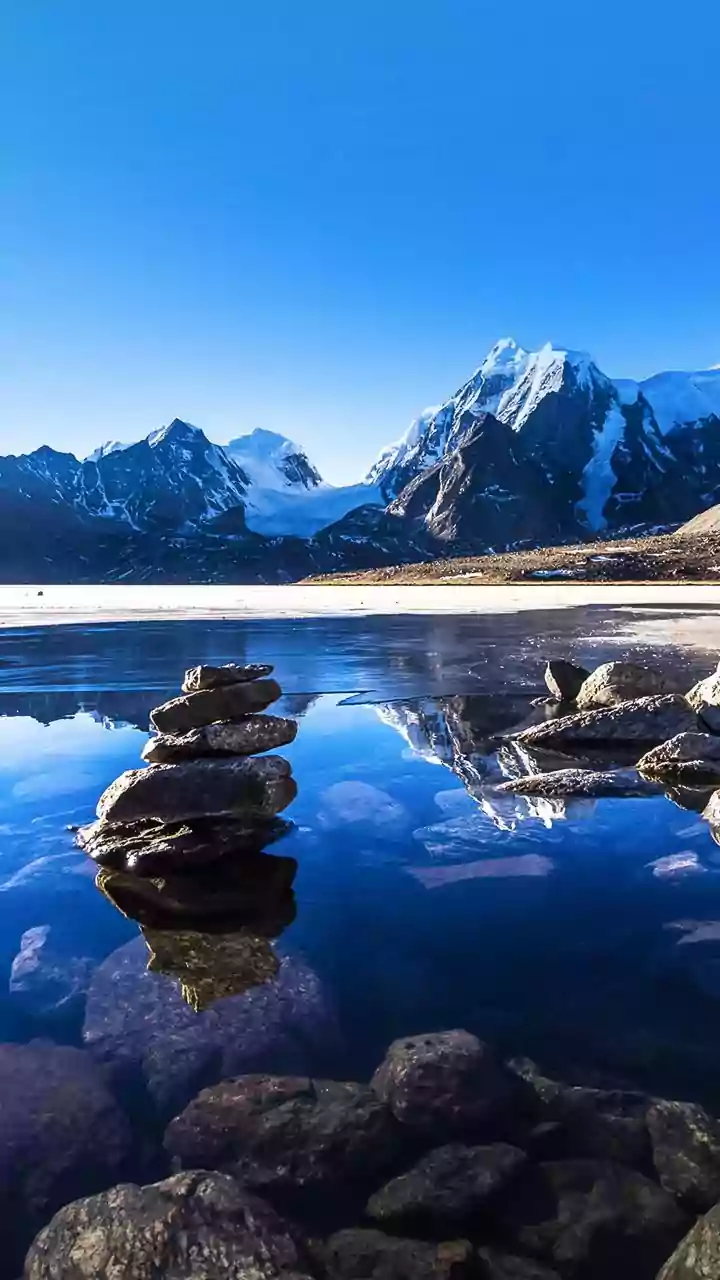
Even if you miss the absolute peak of the blossoms, a trip to South Sikkim in autumn is rarely a disappointment. The post-monsoon air offers crystal-clear skies and some of the best views of the Himalayan range. You can visit the serene Buddha Park in Ravangla or the Char Dham complex in Namchi. A tour of the Temi Tea factory itself is a fascinating experience, offering insight into the production of one of India's finest organic teas. Exploring the local villages provides a glimpse into the Sherpa way of life, and some festival editions have even introduced new trekking routes and astro-tourism, with stargazing opportunities in dark-sky locations.