



Tired of bland, one-note grain bowls? There’s a simple, game-changing trick you might be missing. Toasting ancient grains before boiling them unlocks a world of deep, nutty, and complex flavours that will elevate your meals instantly.
Why Toasting is a Flavour Game-Changer
If you’ve ever made
risotto, you’re already familiar with the first crucial step: toasting the rice in a hot pan. This isn't just for show; it's a fundamental technique that builds a deep, nutty flavour base that plain boiling can never achieve. The same principle applies to the wide world of ancient grains. Simply cooking them in water can sometimes leave them tasting flat or grassy. Toasting, however, awakens their dormant flavours, transforming them from a simple filler into a star ingredient. This easy step adds a rich, roasted complexity that enhances everything from salads and pilafs to simple breakfast porridges. It makes the final dish taste more interesting and thoughtfully prepared, all with just a few extra minutes of effort.
The Delicious Science of Browning
The magic behind toasting is a chemical process known as the Maillard reaction. This is the same reaction that creates the flavourful brown crust on a seared steak, the aroma of roasted coffee, and the golden exterior of baked bread. It occurs when the amino acids and sugars present in the grains are exposed to high, dry heat. This reaction creates hundreds of new aromatic compounds, resulting in a flavour profile that is much richer and more complex than that of a raw or boiled grain. These compounds are what we perceive as 'nutty', 'roasted', and 'caramelised' notes. The process also changes the texture, making the grains slightly firmer and less likely to become mushy during cooking.
Grains That Love the Heat
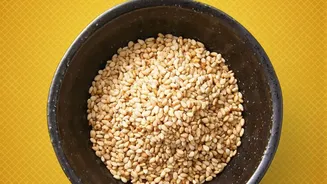
While most whole grains benefit from toasting, some are particularly well-suited for it. Here are a few ancient grains that truly shine after a bit of time in a hot pan: Quinoa: Toasting quinoa not only deepens its naturally earthy flavour but also helps ensure the individual seeds remain separate and fluffy after cooking. Farro/Emmer: This chewy, hearty grain develops a profoundly nutty and almost cinnamon-like aroma when toasted, making it perfect for rustic salads and soups. Millet: Often sweet and mild, toasted millet takes on a more pronounced corn-like sweetness and a delightful crunch. Spelt: A cousin of modern wheat, spelt offers a nutty, slightly sweet flavour that becomes richer and more pronounced with toasting. Khorasan (Kamut): Known for its large, golden kernels and buttery flavour, toasting this grain enhances its natural sweetness. Buckwheat: Despite its name, buckwheat is a gluten-free seed. Toasting it (a form known as kasha) brings out its signature bold, earthy, and intensely nutty flavour.
How to Toast Grains: Two Simple Methods
Toasting is incredibly simple and can be done in two ways, depending on how much you're making. The Stovetop Method (For smaller batches): Place your grains in a dry, heavy-bottomed skillet over medium heat. There is no need for oil. Cook, shaking the pan and stirring frequently, for about 3 to 5 minutes. You’ll know they’re ready when they become fragrant and smell nutty, and they may turn a shade darker. Be careful not to let them burn, as this will create a bitter taste. Some grains, like quinoa, may even start to pop like tiny popcorn. The Oven Method (For larger batches): If you want to toast a large quantity to store for later use, the oven is your best bet. Preheat your oven to 175°C (350°F). Spread the grains in a single, even layer on a rimmed baking sheet. Bake for 10 to 15 minutes, stirring about halfway through to ensure even toasting. The grains are done when they are aromatic and lightly golden. Once toasted, you can cook them immediately or let them cool completely and store them in an airtight container.
Putting Your Toasted Grains to Work
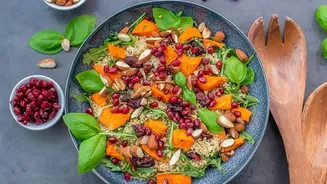
Once your grains are toasted and cooked, their enhanced flavour makes them more versatile than ever. The nutty depth they now possess stands up beautifully in a variety of dishes. Toss them into a vibrant grain salad with fresh herbs and a sharp vinaigrette, where their flavour can truly be the star. Use them as a base for a hearty grain bowl, topped with roasted vegetables, a protein, and your favourite sauce. Stir them into soups and stews to add texture and a rich, underlying flavour. You can even use toasted oats to create a more robust and less pasty porridge. Experiment by swapping plain boiled grains for their toasted counterparts in any recipe; the upgrade in flavour is undeniable.